




বাংলাদেশি SSC (Class 9 & 10) শিক্ষার্থীদের জন্য এই Terrorism Paragraph বোর্ড পরীক্ষার মানদণ্ড অনুসরণ করে প্রস্তুত করা হয়েছে। নির্ধারিত ৩০০–৪০০ শব্দে এখানে Easy, Standard ও Advanced সংস্করণ সংযোজন করা হয়েছে, যাতে তোমরা তোমাদের প্রয়োজন ও দক্ষতা অনুযায়ী উপযুক্ত অংশ নির্বাচন করে শিখতে পারো।
প্যারাগ্রাফটি স্পষ্ট, পরিমিত ও পরীক্ষোপযোগী ভাষায় রচিত। গুরুত্বপূর্ণ শব্দগুলো Bold করে শব্দার্থসহ দেওয়া হয়েছে। পাশাপাশি 📝 How to Learn and Write This Paragraph in Exam এবং Key Points to Remember & Memory Trick (Mnemonic) অংশ যুক্ত করা হয়েছে, যা প্যারাগ্রাফটি সহজে মনে রাখতে সাহায্য করবে 😊
Terrorism Paragraph for SSC (Class 9–10) – 320 Words (Easy)
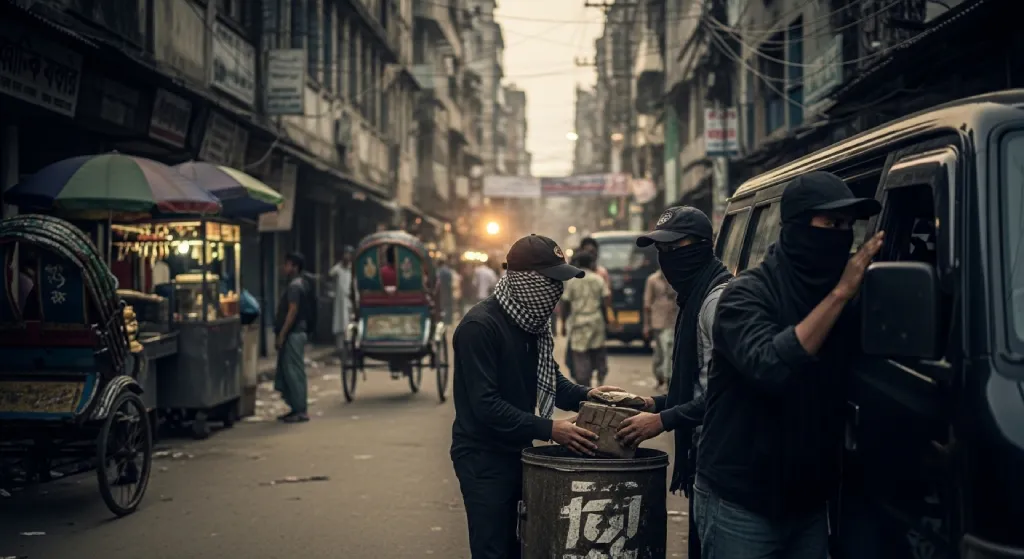
Terrorism is one of the most serious and far-reaching threats that the modern world faces today. It is the deliberate use of violence, threats, and systematic fear to harm innocent people and challenge the authority of governments. Terrorist groups believe that by creating chaos and massive suffering, they can force others to accept their wrong political or religious goals. Bangladesh has been a painful victim of this global problem. The most shocking example is the Holey Artisan Bakery attack in Dhaka in July 2016, where armed terrorists killed twenty-two innocent people. This tragedy shook the entire nation deeply and alarmed the whole world.
Moreover, the effects of terrorism on Bangladesh were felt in many areas of life. People became afraid to visit public places, businesses lost customers, and foreign investors began reconsidering their commitments to Bangladesh. The country’s economy suffered greatly, and the garments industry faced scrutiny from international buyers. Also, the education system was disturbed as schools feared becoming targets. The government was forced to redirect large amounts of money toward security systems instead of development programs.
Nevertheless, Bangladesh refused to be defeated. The Anti-Terrorism Act 2009 gave law enforcement the legal tools to arrest, prosecute, and punish terrorists and their supporters. The CTTC unit and RAB carried out hundreds of successful counter-terrorism operations. Bangladesh also strengthened its cooperation with international intelligence partners to detect and stop threats before they happen. Furthermore, religious leaders, teachers, and community members began playing an active role in promoting peace and tolerance. When young people are guided toward education and away from extremist thinking, they reject violence and choose a productive life instead. So, the combined commitment of the government, security forces, communities, and every individual citizen is the only true path to permanently defeat terrorism and build a safe, prosperous, and peaceful Bangladesh for all.
Vocabulary Table:
| Word | Meaning (Bangla) |
|---|---|
| Terrorism | সন্ত্রাসবাদ |
| Violence | সহিংসতা |
| Threats | হুমকি |
| Terrorist groups | সন্ত্রাসী দল |
| Chaos | বিশৃঙ্খলা |
| Political | রাজনৈতিক |
| Religious | ধর্মীয় |
| Economy | অর্থনীতি |
| Garments industry | পোশাক শিল্প |
| Security systems | নিরাপত্তা ব্যবস্থা |
| Anti-Terrorism Act 2009 | সন্ত্রাসবিরোধী আইন ২০০৯ |
| CTTC | কাউন্টার টেরোরিজম ইউনিট |
| Intelligence | গোয়েন্দা তথ্য |
| Tolerance | সহনশীলতা |
| Education | শিক্ষা |
| Prosperous | সমৃদ্ধ |
Terrorism Paragraph for SSC (Class 9–10) – 365 Words (Standard)
Terrorism represents one of the gravest and most destructive challenges that the world community faces in the twenty-first century. It is broadly defined as the systematic use of violence, intimidation, and fear by organized groups to achieve political, ideological, or religious objectives by deliberately targeting civilian populations and state institutions. Terrorist organizations recruit individuals by exploiting poverty, social exclusion, and extremist ideologies that distort the true teachings of religion. Bangladesh has suffered directly from the menace of terrorism. The 2016 Holey Artisan Bakery massacre in Gulshan, Dhaka, in which twenty-two innocent people were brutally killed, stands as the most devastating terrorist attack in the country’s recent history. This attack sent shockwaves through Bangladesh and the international community, severely damaging the country’s image and triggering a deep national debate about security.
Moreover, terrorism inflicts wide-ranging damage on the social and economic fabric of a nation. The vital tourism sector and foreign direct investment declined sharply following the attack. The garments industry, which employs over four million workers and contributes 80% of export earnings, faced unprecedented scrutiny from international buyers. Communities were left with deep psychological trauma — a lasting sense of fear, suspicion, and grief. The government was compelled to divert enormous budget resources from healthcare and education into counter-terrorism operations and intelligence infrastructure, creating a significant development cost.
However, Bangladesh has responded with both determination and strategic intelligence. The government enacted the Anti-Terrorism Act 2009 and formed the elite CTTC unit and strengthened RAB to conduct targeted operations against militant networks. Bangladesh also actively participates in the UN Global Counter-Terrorism Strategy and maintains bilateral security cooperation with partner nations. Perhaps most critically, addressing the root causes of terrorism — poverty, educational inequality, unemployment, and radicalization through digital platforms — is essential for any lasting solution. When young Bangladeshis are given quality education, economic opportunity, and moral guidance, they are far less vulnerable to extremist recruitment. So, terrorism can only be truly defeated when strong legal frameworks, active security forces, community engagement, and investment in human development all work powerfully together.
Vocabulary Table:
| Word | Meaning (Bangla) |
|---|---|
| Terrorism | সন্ত্রাসবাদ |
| Violence | সহিংসতা |
| Intimidation | ভয় দেখানো |
| Political | রাজনৈতিক |
| Ideological | মতাদর্শগত |
| Religious | ধর্মীয় |
| Terrorist organizations | সন্ত্রাসী সংগঠন |
| Extremist ideologies | চরমপন্থী মতাদর্শ |
| Massacre | নৃশংস হত্যাকাণ্ড |
| Tourism | পর্যটন |
| Foreign direct investment | প্রত্যক্ষ বিদেশি বিনিয়োগ |
| Garments industry | পোশাক শিল্প |
| Psychological trauma | মানসিক আঘাত |
| Counter-terrorism | সন্ত্রাসবাদ দমন |
| Anti-Terrorism Act 2009 | সন্ত্রাসবিরোধী আইন ২০০৯ |
| CTTC | কাউন্টার টেরোরিজম ইউনিট |
| Root causes | মূল কারণ |
| Radicalization | চরমপন্থায় দীক্ষিত হওয়া |
Terrorism Paragraph for SSC (Class 9–10) – 395 Words (Advanced)
Terrorism is undeniably one of the most profound, multifaceted, and morally indefensible threats to global security, human dignity, and national development in the contemporary era. Defined as the deliberate and systematic use of violence, coercion, and psychological terror against civilian populations to advance political, ideological, or extremist religious agendas, terrorism strikes at the very foundations of democratic governance and civilized society. Terrorist organizations such as Al-Qaeda, ISIS, and domestic groups like JMB exploit societal grievances, economic marginalization, and distorted religious interpretations to recruit and radicalize impressionable individuals — particularly unemployed urban youth with a deep sense of social alienation. Bangladesh experienced the full horror of this threat during the July 2016 Holey Artisan Bakery massacre in Gulshan, Dhaka, which claimed twenty-two lives from seven nations and shook the very foundations of the country’s self-image as a nation of moderate, peaceful Islam.
Moreover, the attack exposed a deeply troubling reality: that radicalization had penetrated educated, middle-class, urban segments of Bangladeshi society — not merely the rural poor as many had assumed. The consequences for the economy were severe and far-reaching. The RMG sector, contributing over 80% of Bangladesh’s foreign exchange, faced heightened scrutiny from global buyers. Foreign direct investment declined sharply, and the nascent tourism industry suffered a prolonged contraction. Beyond economics, communities were left scarred by deep psychological trauma, inter-community suspicion eroded the social fabric, and the massive opportunity cost of counter-terrorism spending robbed development sectors of critical funding.
Nevertheless, Bangladesh has pursued a determined and multi-layered response. The Anti-Terrorism Act 2009 and subsequent amendments empowered authorities to prosecute not only attackers but also financiers and online ideological propagandists of terrorism. The elite CTTC unit and RAB dismantled dozens of militant cells and foiled multiple large-scale attacks. Bangladesh’s active engagement with the UN Global Counter-Terrorism Strategy, INTERPOL, and bilateral intelligence partnerships substantially enhanced the country’s counter-terrorism capabilities. However, enduring victory demands that Bangladesh also confront its structural root causes: entrenched poverty, digital radicalization, educational inequality, and the absence of meaningful youth empowerment. Investing in critical education, expanding economic opportunity, and embedding civic values in communities remains the most powerful long-term antidote to extremism and the surest path to dignified, lasting peace.
Vocabulary Table:
| Word | Meaning (Bangla) |
|---|---|
| Terrorism | সন্ত্রাসবাদ |
| Violence | সহিংসতা |
| Coercion | জবরদস্তি |
| Psychological terror | মানসিক আতঙ্ক |
| Political | রাজনৈতিক |
| Ideological | মতাদর্শগত |
| Extremist religious | চরমপন্থী ধর্মীয় |
| Terrorist organizations | সন্ত্রাসী সংগঠন |
| Marginalization | প্রান্তিকীকরণ |
| Radicalize | চরমপন্থায় দীক্ষিত করা |
| Massacre | নৃশংস হত্যাকাণ্ড |
| RMG sector | তৈরি পোশাক খাত |
| Foreign direct investment | প্রত্যক্ষ বিদেশি বিনিয়োগ |
| Psychological trauma | মানসিক আঘাত |
| Suspicion | সন্দেহ |
| Opportunity cost | সুযোগ ব্যয় |
| Anti-Terrorism Act 2009 | সন্ত্রাসবিরোধী আইন ২০০৯ |
| CTTC unit | সন্ত্রাসবাদ দমন ইউনিট |
| Counter-terrorism capabilities | সন্ত্রাসবাদ দমন সক্ষমতা |
| Structural root causes | কাঠামোগত মূল কারণ |
| Radicalization | চরমপন্থায় দীক্ষিত হওয়া |
| Civic values | নাগরিক মূল্যবোধ |
| Dignified, lasting peace | মর্যাদাপূর্ণ ও স্থায়ী শান্তি |
📝 How to Learn and Write This Paragraph in Exam – For Class 9 & 10
1. Key Points to Remember:
- Terrorism = systematic violence and intimidation to achieve political, ideological, or religious goals
- JMB carried out the 2016 Holey Artisan Bakery massacre — 22 lives from 7 nations
- Radicalization reached educated, urban, middle-class youth — not just the rural poor
- RMG sector (80% of exports, 4 million workers) was directly threatened
- Legal tools: Anti-Terrorism Act 2009 + CTTC unit + RAB + UN/INTERPOL cooperation
- Long-term solution: address structural root causes — poverty, digital radicalization, lack of education
2. Memory Trick: Remember R-I-P-E to structure the full paragraph:
- R = Root Causes (poverty, radicalization, digital extremism)
- I = Impact (RMG, FDI, tourism, psychological trauma, opportunity cost)
- P = Policy Response (Anti-Terrorism Act, CTTC, RAB, UN strategy)
- E = Eradication through Education and civic empowerment
3. Exam Writing Checklist:
- Did I include a definition with the words “violence,” “intimidation,” and “civilian targets”?
- Did I name JMB and specify that 22 people from 7 nations were killed in 2016?
- Did I mention that radicalization affected educated, urban middle-class youth — not just the rural poor?
- Did I discuss the RMG sector’s 80% contribution to export earnings being threatened?
- Did I argue that the Anti-Terrorism Act 2009 and CTTC unit are key legal and institutional responses?
4. One-Line Summary: Terrorism is a grave, multi-dimensional threat that has scarred Bangladesh economically, socially, and psychologically, but the country’s combination of the Anti-Terrorism Act 2009, the CTTC unit, and a commitment to addressing root causes through education is building a strong and lasting defence.
FAQ Section on Terrorism Paragraph – For Class 9 & 10
Q1: What is the legal definition of terrorism under Bangladesh’s Anti-Terrorism Act 2009? Answer: Under the Anti-Terrorism Act 2009, terrorism is defined as any act that creates serious violence against persons or property to intimidate the public or coerce the government. The law covers not only perpetrators of attacks but also those who plan, finance, or provide ideological support to terrorist activities.
Q2: What was JMB and how was it connected to the 2016 Holey Artisan Bakery attack? Answer: JMB, or Jamaat-ul-Mujahideen Bangladesh, is a domestic militant organization that promotes a violently distorted extremist ideology and has been banned by the Bangladesh government. Its trained operatives executed the 2016 Gulshan attack, killing twenty-two people from seven nations in the deadliest single terrorist event in Bangladesh’s history.
Q3: Why was it alarming that radicalized youth in Bangladesh came from educated, middle-class backgrounds? Answer: It challenged the assumption that only the rural poor and uneducated were vulnerable to extremist recruitment, showing that online radicalization could reach any social class. This forced security agencies to rethink their counter-terrorism strategies and focus more on digital monitoring and university campuses.
Q4: How specifically did the 2016 attack damage Bangladesh’s RMG sector? Answer: International clothing brands and retail buyers began questioning the safety of their supply chains and conducting additional security audits of Bangladeshi factories after the attack. Some buyers temporarily reduced orders, threatening the income of the over four million garment workers who depend on the industry for their livelihoods.
Q5: What is the “opportunity cost” of counter-terrorism spending for Bangladesh? Answer: Every taka spent on intelligence networks, military equipment, and security operations is money that cannot be spent on schools, hospitals, or poverty reduction programs. For a developing country like Bangladesh, this diversion of resources creates a compounding deficit in human development over many years.
Q6: What is the UN Global Counter-Terrorism Strategy and how does Bangladesh participate? Answer: The UN Global Counter-Terrorism Strategy is an international framework adopted by all UN member states to prevent terrorism by combining law enforcement, addressing root causes, and promoting human rights. Bangladesh aligns its national policies with this strategy and shares intelligence and training resources with member states regularly.
Q7: How does digital radicalization differ from traditional recruitment by terrorist groups? Answer: Traditional recruitment required face-to-face contact and physical access to vulnerable individuals, whereas digital radicalization happens anonymously through social media, encrypted apps, and online videos without any physical meeting. This makes it far harder to detect and intercept before a person has already adopted extremist beliefs.
Q8: What three long-term structural solutions are most effective against terrorism in Bangladesh? Answer: The three most effective structural solutions are expanding access to quality education to develop critical thinking, creating meaningful employment opportunities to reduce economic desperation, and promoting interfaith dialogue and civic values to build a culture of tolerance. Together, these address the root conditions that allow extremism to take hold in communities.
Q9: How does terrorism affect Bangladesh’s international diplomatic relationships? Answer: Terrorist attacks on foreign nationals, as happened in 2016, force other countries to issue travel advisories and reassess their diplomatic and economic relationships with Bangladesh. This can reduce foreign investment, shrink development aid, and weaken Bangladesh’s standing in international organizations and bilateral negotiations.
Q10: Can terrorism ever be fully eliminated from Bangladesh, and why? Answer: Complete elimination is extremely difficult because terrorism arises from deeply rooted social, economic, and ideological conditions that cannot be resolved overnight. However, sustained investment in education, poverty reduction, community engagement, and strong legal institutions can reduce terrorism to levels where it no longer poses a significant threat to national stability.
প্রিয় শিক্ষার্থীবৃন্দ
আমরা আশা করি এই Paragraph গুলো তোমাদের HSC বোর্ড পরীক্ষায় ভালো নম্বর অর্জনে সহায়ক হবে। যদি কন্টেন্টটি উপকারী মনে হয়, তাহলে তোমাদের মতামত ও প্রয়োজনীয় টপিক কমেন্ট সেকশনে জানাও।
নিয়মিত পরীক্ষার প্রস্তুতি ও গুরুত্বপূর্ণ আপডেট পেতে আমাদের
▶️YouTube Channel সাবস্ক্রাইব করো এবং
ⓕ Facebook Page লাইক দিয়ে আমাদের সাথে যুক্ত থাকো 🚀
তোমাদের সফল প্রস্তুতিই আমাদের মূল লক্ষ্য 💪
🔗 Explore More for Preparation
📚 পরীক্ষার জন্য আরও প্রস্তুতি নাও
-
📌 Stories