



বাংলাদেশি Class 8 শিক্ষার্থীদের জন্য এই Terrorism Paragraph বোর্ড পরীক্ষার মানদণ্ড অনুসরণ করে প্রস্তুত করা হয়েছে। নির্ধারিত ২৫০–৩৫০ শব্দে এখানে Easy, Standard ও Advanced সংস্করণ সংযোজন করা হয়েছে, যাতে তোমরা তোমাদের প্রয়োজন ও দক্ষতা অনুযায়ী উপযুক্ত অংশ নির্বাচন করে শিখতে পারো।
প্যারাগ্রাফটি স্পষ্ট, পরিমিত ও পরীক্ষোপযোগী ভাষায় রচিত। গুরুত্বপূর্ণ শব্দগুলো Bold করে শব্দার্থসহ দেওয়া হয়েছে। পাশাপাশি 📝 How to Learn and Write This Paragraph in Exam এবং Key Points to Remember & Memory Trick (Mnemonic) অংশ যুক্ত করা হয়েছে, যা প্যারাগ্রাফটি সহজে মনে রাখতে সাহায্য করবে 😊
Terrorism Paragraph – For Class 8 (260 words) — Easy
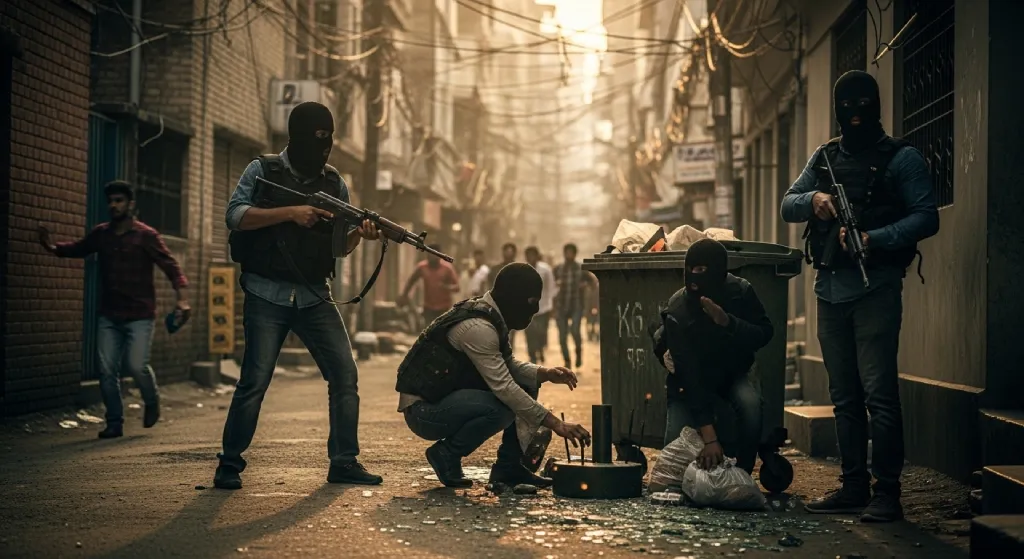
Terrorism is one of the most serious and harmful problems that the world faces today. It is the deliberate use of violence, threats, and fear to harm innocent people and challenge governments. Terrorists carry out attacks to push their wrong political or religious ideas by force. They target crowded and important places like markets, airports, hotels, and places of worship. This causes widespread panic and destroys the peace of society. Bangladesh has been a victim of terrorism as well. The 2016 Holey Artisan Bakery attack in Gulshan, Dhaka, killed twenty-two innocent people. The attack shocked the entire nation and the whole world. Because of this tragedy, many people felt deeply unsafe.
Moreover, terrorism damages a country’s reputation and economy in very serious ways. Foreign tourists stop visiting, and international businesses lose their confidence in the country. The government must spend large amounts of money on security instead of building schools and hospitals. This slows down the progress and development of the country greatly. Families of victims suffer deep emotional pain that lasts for years.
However, Bangladesh has responded firmly to this challenge. The government passed strong anti-terrorism laws to punish those who plan or carry out attacks. Also, the police, RAB, and army conduct regular operations to find and arrest dangerous people. Beyond security, education and community awareness are very important tools. When young people learn about the true value of peace, tolerance, and human life, they refuse to join violent groups. So, together — the government, security forces, communities, and every citizen — can defeat terrorism and build a safer Bangladesh.
Vocabulary Table:
| Word | Meaning (Bangla) |
|---|---|
| Terrorism | সন্ত্রাসবাদ |
| Violence | সহিংসতা |
| Threats | হুমকি |
| Terrorists | সন্ত্রাসীরা |
| Political | রাজনৈতিক |
| Religious | ধর্মীয় |
| Panic | আতঙ্ক |
| Reputation | সুনাম / ভাবমূর্তি |
| Economy | অর্থনীতি |
| Security | নিরাপত্তা |
| Government | সরকার |
| Anti-terrorism laws | সন্ত্রাসবিরোধী আইন |
| RAB | র্যাপিড অ্যাকশন ব্যাটালিয়ন |
| Education | শিক্ষা |
Terrorism Paragraph – For Class 8 (305 words) — Standard
Terrorism represents one of the gravest threats to peace, human life, and national stability in the modern world. It is broadly defined as the systematic use of violence, intimidation, and deliberate fear against civilian populations and state institutions to achieve political, ideological, or religious goals. Terrorist organizations exploit feelings of poverty, social injustice, and misguided beliefs to recruit vulnerable young people. They promise these recruits a false sense of purpose and belonging. Bangladesh has suffered directly from this problem. The 2016 Holey Artisan Bakery massacre in Gulshan, Dhaka, carried out by domestic militants, claimed twenty-two lives from multiple countries. This single attack severely damaged Bangladesh’s carefully built international image and created fear across the nation.
Moreover, the effects of terrorism on Bangladesh’s economy were devastating. The country’s vital tourism industry fell sharply, and many foreign investors became hesitant to continue working with Bangladeshi businesses. The garments industry, which is the backbone of the economy and earns over 80% of Bangladesh’s export income, faced intense international scrutiny. Millions of workers felt the impact. Also, communities developed a deep sense of trauma and mutual suspicion that broke apart social bonds.
Nevertheless, Bangladesh has mounted a strong and determined response. The government enacted the Anti-Terrorism Act 2009 to legally pursue perpetrators, financiers, and supporters of terrorism. The newly formed CTTC unit and RAB have conducted hundreds of successful operations and dismantled many militant networks. Bangladesh also works closely with the United Nations and partner countries to share intelligence and coordinate counter-terrorism strategies. But the most lasting solution remains addressing the root causes: poverty, lack of education, and the spread of extremist ideas through social media. When young Bangladeshis have real opportunities and proper guidance, the appeal of terrorism disappears and the nation grows stronger.
Vocabulary Table:
| Word | Meaning (Bangla) |
|---|---|
| Terrorism | সন্ত্রাসবাদ |
| Violence | সহিংসতা |
| Intimidation | ভয় দেখানো |
| Political | রাজনৈতিক |
| Ideological | মতাদর্শগত |
| Religious | ধর্মীয় |
| Terrorist organizations | সন্ত্রাসী সংগঠন |
| Massacre | নৃশংস হত্যাকাণ্ড |
| Tourism | পর্যটন |
| Garments industry | পোশাক শিল্প |
| Trauma | মানসিক আঘাত |
| Anti-Terrorism Act 2009 | সন্ত্রাসবিরোধী আইন ২০০৯ |
| CTTC | কাউন্টার টেরোরিজম অ্যান্ড ট্রান্সন্যাশনাল ক্রাইম ইউনিট |
| Root causes | মূল কারণ |
Terrorism Paragraph – For Class 8 (340 words) — Advanced
Terrorism is a deeply destructive and multifaceted force that threatens not only human lives but also the foundations of national development, social harmony, and international peace. Defined as the premeditated use of violence, coercion, and psychological terror against civilian populations to advance political or ideological objectives, terrorism is designed to destabilize governments and paralyze ordinary life. Terrorist organizations like ISIS and homegrown groups such as JMB exploit poverty, identity crises, and distorted religious narratives to recruit and radicalize impressionable young people through social media and personal contact. Bangladesh has paid a heavy price for this global menace. The July 2016 Holey Artisan Bakery massacre in Gulshan, Dhaka — the deadliest terrorist attack in Bangladesh’s post-independence history — was carried out by JMB operatives, claiming twenty-two lives from seven different nations. The attack shocked the world and exposed serious gaps in the country’s security infrastructure.
Moreover, the consequences extended far beyond the immediate loss of life. Bangladesh’s ready-made garments (RMG) sector, which contributes over 80% of the country’s export earnings, faced serious concern from international buyers about worker safety. Foreign direct investment confidence dropped noticeably, and the budding tourism industry came to a near halt. Communities were left scarred by psychological trauma, and the social fabric of trust and togetherness was deeply damaged. The economic burden of counter-terrorism operations further diverted money away from education and healthcare spending.
Nevertheless, Bangladesh has shown remarkable determination in its response. The Anti-Terrorism Act 2009 and its subsequent legal amendments gave authorities the power to prosecute not only attackers but also those who plan, finance, or provide ideological support to terrorism. The specialized CTTC unit and RAB have arrested hundreds of suspects and prevented many planned attacks. Bangladesh’s cooperation with INTERPOL and the UN Counter-Terrorism Strategy has further strengthened national capabilities. However, the most enduring solution lies in addressing root causes through universal education, youth employment, interfaith dialogue, and the promotion of critical thinking so that future generations choose peace over violence. Only through this comprehensive approach can Bangladesh truly eliminate terrorism and build a lasting future of dignity and security.
Vocabulary Table:
| Word | Meaning (Bangla) |
|---|---|
| Terrorism | সন্ত্রাসবাদ |
| Violence | সহিংসতা |
| Coercion | জবরদস্তি |
| Psychological terror | মানসিক আতঙ্ক |
| Political | রাজনৈতিক |
| Ideological | মতাদর্শগত |
| Terrorist organizations | সন্ত্রাসী সংগঠন |
| Radicalize | চরমপন্থায় দীক্ষিত করা |
| Massacre | নৃশংস হত্যাকাণ্ড |
| Ready-made garments (RMG) | তৈরি পোশাক শিল্প |
| Foreign direct investment | প্রত্যক্ষ বিদেশি বিনিয়োগ |
| Psychological trauma | মানসিক আঘাত |
| Economic burden | আর্থিক বোঝা |
| Anti-Terrorism Act 2009 | সন্ত্রাসবিরোধী আইন ২০০৯ |
| CTTC unit | সন্ত্রাসবাদ দমন ইউনিট |
| Root causes | মূল কারণ |
| Critical thinking | সমালোচনামূলক চিন্তাভাবনা |
📝 How to Learn and Write This Terrorism Paragraph For Class 8
1. Key Points to Remember:
- Terrorism = premeditated violence and coercion against civilians to achieve political or ideological goals
- JMB carried out the 2016 Holey Artisan Bakery massacre — 22 people killed from 7 nations
- Terrorism harmed Bangladesh’s RMG sector (80%+ of exports), tourism, and foreign investment
- Social effects: psychological trauma, broken community trust, widespread fear
- Legal response: Anti-Terrorism Act 2009 + CTTC unit + RAB operations
- Long-term solution: address root causes — education, employment, and interfaith dialogue
2. Memory Trick: Remember R-I-C-E for terrorism in Bangladesh:
- R = Radicalization (young people are radicalized through poverty and social media)
- I = Impact (RMG, FDI, tourism, and social cohesion all suffer)
- C = Counter-response (Anti-Terrorism Act, CTTC, RAB, UN cooperation)
- E = Eradication (education, employment, and critical thinking eradicate extremism)
3. Exam Writing Checklist:
- Did I define terrorism using “violence,” “coercion,” and “political or ideological goals”?
- Did I name JMB as the group responsible for the 2016 Holey Artisan Bakery massacre?
- Did I mention the RMG sector and its importance to Bangladesh’s exports?
- Did I refer to the Anti-Terrorism Act 2009 and the CTTC unit by name?
- Did I argue that root causes like poverty and lack of education must be addressed for long-term peace?
4. One-Line Summary: Terrorism is a devastating threat that has directly harmed Bangladesh’s economy, society, and international image, but through strong laws like the Anti-Terrorism Act 2009, dedicated units like CTTC, and a commitment to education, Bangladesh is fighting back effectively.
FAQ Section on Terrorism Paragraph – For Class 8
Q1: What is the difference between domestic terrorism and international terrorism? Answer: Domestic terrorism is carried out by groups operating within a country, like JMB in Bangladesh, while international terrorism involves groups like ISIS or Al-Qaeda that operate across multiple countries. Both types share the same goal of spreading fear to achieve political or ideological objectives.
Q2: How did the Holey Artisan Bakery attack expose weaknesses in Bangladesh’s security? Answer: The attack revealed that radicalization had spread among educated, urban youth — not just the rural poor — which surprised many security experts. It also showed that Bangladesh’s security forces needed stronger intelligence gathering and rapid response capabilities.
Q3: Why is the RMG industry so important to Bangladesh, and how does terrorism threaten it? Answer: The ready-made garments industry contributes over 80% of Bangladesh’s export earnings and employs millions of workers, making it the backbone of the national economy. When terrorist attacks occur, international buyers question worker safety and may reduce or cancel their orders, directly threatening millions of livelihoods.
Q4: What is the CTTC unit and why was it created? Answer: CTTC stands for Counter Terrorism and Transnational Crime unit, a specialized division of Bangladesh Police created specifically to investigate and prevent terrorist activities. It was established in response to the 2016 Gulshan attack to give Bangladesh a dedicated, highly trained counter-terrorism force.
Q5: How does radicalization happen through social media? Answer: Terrorist groups use social media platforms to upload videos, share extremist messages, and directly message vulnerable young people who feel isolated or frustrated. Over time, this online exposure gradually replaces a person’s moderate beliefs with violent, extremist thinking.
Q6: What is the Anti-Terrorism Act 2009 and what does it cover? Answer: The Anti-Terrorism Act 2009 is Bangladesh’s main legal framework for prosecuting people who plan, carry out, finance, or ideologically support terrorist activities. It gives law enforcement the legal authority to arrest, investigate, and bring terrorists to justice in court.
Q7: How does terrorism create psychological trauma in communities? Answer: When a terrorist attack happens, people in the surrounding community experience shock, grief, and long-lasting anxiety that makes them afraid to go about normal daily life. This psychological damage can persist for years and affects the mental health, social behavior, and sense of safety of entire neighborhoods.
Q8: How can interfaith dialogue help prevent terrorism? Answer: Interfaith dialogue brings together people of different religions to share their beliefs, correct misunderstandings, and build mutual respect and trust. When communities understand each other’s faiths better, the extremist idea that one group must destroy another loses its power completely.
Q9: What role does poverty play in making people vulnerable to terrorist recruitment? Answer: Poverty makes people feel desperate, hopeless, and excluded from mainstream society, which makes them easier targets for terrorist recruiters who offer money, belonging, and a sense of purpose. Reducing poverty through job creation and education is therefore one of the most powerful counter-terrorism strategies available.
Q10: Why is Bangladesh’s cooperation with INTERPOL and the UN important? Answer: Terrorism is a global problem that crosses national borders, so no country can fight it alone — international cooperation allows countries to share intelligence, coordinate arrests, and track terrorist financing networks together. Bangladesh’s partnership with INTERPOL and the UN Global Counter-Terrorism Strategy significantly strengthens the country’s ability to prevent and respond to threats.
প্রিয় শিক্ষার্থীবৃন্দ
আমরা আশা করি এই Paragraph গুলো তোমাদের HSC বোর্ড পরীক্ষায় ভালো নম্বর অর্জনে সহায়ক হবে। যদি কন্টেন্টটি উপকারী মনে হয়, তাহলে তোমাদের মতামত ও প্রয়োজনীয় টপিক কমেন্ট সেকশনে জানাও।
নিয়মিত পরীক্ষার প্রস্তুতি ও গুরুত্বপূর্ণ আপডেট পেতে আমাদের
▶️YouTube Channel সাবস্ক্রাইব করো এবং
ⓕ Facebook Page লাইক দিয়ে আমাদের সাথে যুক্ত থাকো 🚀
তোমাদের সফল প্রস্তুতিই আমাদের মূল লক্ষ্য 💪
🔗 Explore More for Preparation
📚 পরীক্ষার জন্য আরও প্রস্তুতি নাও
-
📌 Stories