




Environment Pollution Paragraph for Class 6/7 (150 words)
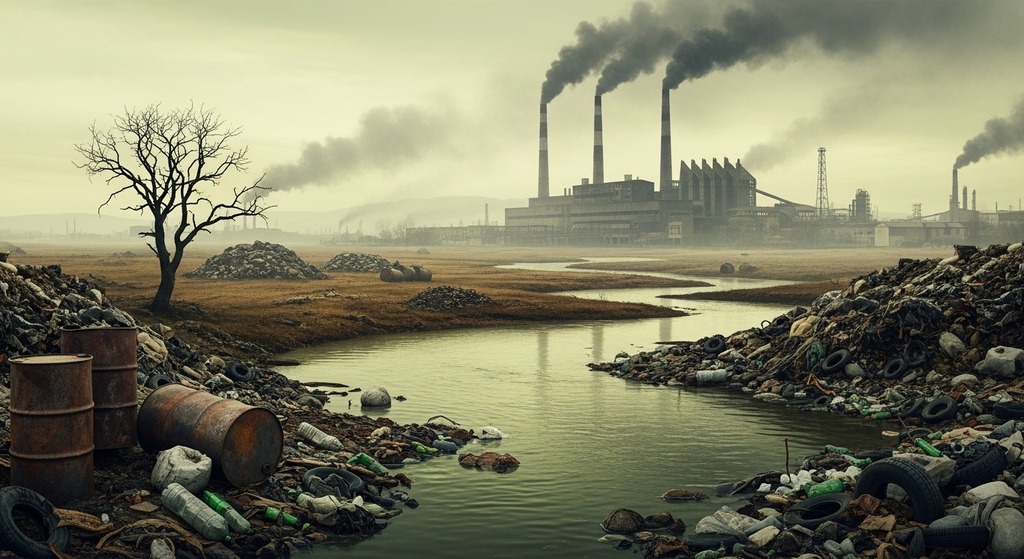
Pollution means making air, water, and soil dirty and unhealthy through harmful substances. Environment pollution is a serious problem in Bangladesh that affects all of us. Air pollution happens when smoke from cars, factories, and burning waste makes the air dirty and hard to breathe. Water pollution occurs when dirty water and waste from factories go into rivers and ponds, making water unsafe to drink. Soil pollution happens when chemicals and waste are dumped on land, making it infertile and unsuitable for farming. Noise pollution from traffic, construction, and machines disturbs our peace and harms our health. Pollution causes many health problems like coughing, asthma, allergies, and fever in people, especially children and elderly people. Fish and animals die when their habitats become polluted. The government is trying to control pollution by making strict laws and punishing factories that discharge waste improperly. We can help by not throwing garbage anywhere, using less plastic, and keeping our surroundings clean. Everyone must work together to reduce pollution and protect our environment.
Key Vocabulary:
| English Word | Bangla Meaning |
|---|---|
| Pollution | দূষণ |
| Substances | পদার্থ |
| Air pollution | বায়ু দূষণ |
| Breathe | শ্বাস নেওয়া |
| Water pollution | জল দূষণ |
| Soil pollution | মাটি দূষণ |
| Noise pollution | শব্দ দূষণ |
| Asthma | হাঁপানি, শ্বাসকষ্ট |
| Control | নিয়ন্ত্রণ করা |
| Discharge | নিঃসরণ করা |
Environment Pollution Paragraph for Class 7/8 (250 words)
Pollution refers to the introduction of harmful substances and contaminants into the natural environment, degrading its quality and making it dangerous for living organisms. Bangladesh faces severe environmental pollution challenges across air, water, soil, and acoustic domains. Air pollution results from vehicular emissions, industrial smoke, burning of wood and waste, and dust particles that reduce air quality in cities and towns. Major cities like Dhaka and Chittagong regularly experience hazardous air quality levels. Water pollution originates from industrial effluent, agricultural runoff, untreated sewage, and plastic waste dumped into rivers, lakes, and coastal areas. The Buriganga River and other water bodies are severely contaminated. Soil pollution occurs when toxic chemicals, heavy metals, and waste materials accumulate in soil, destroying fertility and making land unsuitable for agriculture. Noise pollution from traffic congestion, construction activities, and industrial operations disturbs peaceful living and affects mental health.
The consequences of environmental pollution are devastating. Air pollution causes respiratory diseases like asthma, bronchitis, and lung cancer, affecting millions of people annually. Water pollution spreads waterborne diseases like cholera and typhoid, contaminating drinking water supplies. Pollution reduces agricultural productivity as polluted soil cannot support healthy crop growth. Marine and aquatic ecosystems face collapse as fish and water animals die from toxic conditions. Children exposed to pollution suffer from poor development and learning difficulties. Wildlife habitats are destroyed, threatening biodiversity.
Prevention and control measures are urgently needed. Factories must install pollution control equipment and treat waste before discharge. The government should enforce strict environmental regulations and standards. Vehicles need emission tests to reduce air pollution. Citizens must reduce plastic usage, segregate waste, and participate in cleanliness programs. Afforestation and green spaces help purify air naturally. Everyone bears responsibility for protecting our environment and creating a healthier Bangladesh.
Key Vocabulary:
| English Word | Bangla Meaning |
|---|---|
| Pollution | দূষণ |
| Substances | পদার্থ |
| Contaminants | দূষণকারী বস্তু |
| Environmental pollution | পরিবেশগত দূষণ |
| Acoustic | শব্দ সংক্রান্ত |
| Domains | ক্ষেত্র |
| Air pollution | বায়ু দূষণ |
| Vehicular emissions | গাড়ির নিঃসরণ |
| Water pollution | জল দূষণ |
| Effluent | শিল্প বর্জ্য |
| Runoff | প্রবাহিত জল |
| Soil pollution | মাটি দূষণ |
| Fertility | উর্বরতা |
| Noise pollution | শব্দ দূষণ |
| Consequences | ফলাফল, পরিণতি |
| Devastating | ধ্বংসকর |
| Respiratory diseases | শ্বাসতন্ত্রের রোগ |
| Diseases | রোগ |
| Productivity | উৎপাদনশীলতা |
| Collapse | ধ্বংস হওয়া |
| Conditions | অবস্থা |
| Development | বিকাশ |
| Habitats | আবাসস্থল |
| Biodiversity | জীববৈচিত্র্য |
| Prevention | প্রতিরোধ |
| Urgently needed | জরুরি প্রয়োজন |
| Pollution control | দূষণ নিয়ন্ত্রণ |
| Discharge | নিঃসরণ |
| Enforce | প্রয়োগ করা |
| Standards | মান |
| Emission tests | নিঃসরণ পরীক্ষা |
| Green spaces | সবুজ স্থান |
Environment Pollution Paragraph for SSC Level (350 words)
Environmental pollution refers to the contamination of natural resources through harmful substances and pollutants, making ecosystems unsafe for living organisms and human populations. Bangladesh confronts multiple pollution challenges affecting air, water, soil, and acoustic environments due to rapid industrialization, urbanization, and population growth. Air pollution results from vehicular emissions, industrial smoke, burning of solid waste, biomass burning, and construction dust that significantly deteriorate air quality in urban areas. Major cities experience hazardous air quality with particulate matter and toxic gases exceeding safe levels. Water pollution originates from industrial effluent discharge, municipal sewage, agricultural chemical runoff, plastic waste, and heavy metal contamination in rivers, lakes, and coastal regions. The Buriganga River, Dhaka’s main water body, exhibits severe contamination affecting drinking water and aquatic life. Soil pollution occurs through accumulation of heavy metals, pesticides, industrial sludge, and waste materials that destroy soil fertility and contaminate groundwater reserves. Noise pollution from traffic congestion, industrial operations, and construction activities disrupts peaceful living and causes psychological stress.
The consequences of environmental pollution are profound and multifaceted. Air pollution causes chronic respiratory diseases including asthma, bronchitis, emphysema, and lung cancer affecting millions annually, with children and elderly populations most vulnerable. Water pollution spreads waterborne pathogens causing cholera, typhoid, and gastrointestinal diseases that contaminate drinking water supplies and claim thousands of lives. Pollution reduces agricultural productivity as contaminated soil lacks essential nutrients and contains toxic substances inhibiting crop growth. Marine ecosystems face degradation and collapse as fish populations decline from toxic conditions and reduced oxygen levels. Aquatic biodiversity suffers catastrophic losses threatening food security. Prolonged pollution exposure harms child development, learning ability, and cognitive function. Occupational workers in polluted industries face serious health risks and shortened lifespans.
Comprehensive mitigation strategies are essential for pollution control. Industrial facilities must install advanced emission control equipment and treat waste through proper sewage treatment plants before discharge. Government must enforce strict environmental regulations, standards, and penalties against violators. Urban public transportation systems reduce vehicular emissions. Vehicles require regular emission testing and catalytic converters. Promoting renewable energy reduces fossil fuel combustion. Citizens should minimize plastic usage, segregate waste, and participate in environmental cleanliness drives. Afforestation creates natural filters for air purification. Community awareness campaigns and environmental education foster responsible behavior toward protecting Bangladesh’s environment.
Key Vocabulary:
| English Word | Bangla Meaning |
|---|---|
| Environmental pollution | পরিবেশগত দূষণ |
| Contamination | দূষণ, সংক্রমণ |
| Substances | পদার্থ |
| Pollutants | দূষণকারী বস্তু |
| Pollution | দূষণ |
| Environments | পরিবেশ |
| Air pollution | বায়ু দূষণ |
| Vehicular emissions | গাড়ির নিঃসরণ |
| Hazardous | বিপজ্জনক |
| Particulate matter | ক্ষুদ্র কণা |
| Water pollution | জল দূষণ |
| Effluent | শিল্প বর্জ্য |
| Chemical runoff | রাসায়নিক প্রবাহ |
| Contamination | দূষণ |
| Soil pollution | মাটি দূষণ |
| Sludge | কাদা, পলল |
| Fertility | উর্বরতা |
| Reserves | ভান্ডার |
| Noise pollution | শব্দ দূষণ |
| Consequences | ফলাফল |
| Profound | গভীর |
| Chronic respiratory diseases | দীর্ঘস্থায়ী শ্বাসরোগ |
| Vulnerable | দুর্বল, ঝুঁকিপূর্ণ |
| Pathogens | রোগজীবাণু |
| Supplies | সরবরাহ |
| Productivity | উৎপাদনশীলতা |
| Nutrients | পুষ্টিউপাদান |
| Inhibiting | প্রতিবন্ধক |
| Ecosystems | জীবপ্রণালী |
| Degradation | অবনমন |
| Collapse | ধ্বংস |
| Conditions | অবস্থা |
| Biodiversity | জীববৈচিত্র্য |
| Exposure | সংস্পর্শ |
| Occupational | পেশাগত |
| Mitigation | প্রশমন, হ্রাস করা |
| Essential | অপরিহার্য |
| Emission control | নিঃসরণ নিয়ন্ত্রণ |
| Sewage treatment plants | পয়ঃনিষ্কাশন চিকিৎসা কেন্দ্র |
| Enforce | প্রয়োগ করা |
| Regulations | নিয়মকানুন |
| Standards | মান |
| Penalties | দণ্ড |
| Transportation | পরিবহন |
| Emission testing | নিঃসরণ পরীক্ষা |
| Catalytic converters | অনুঘটক রূপান্তরক |
| Combustion | জ্বলন |
| Natural filters | প্রাকৃতিক ছাঁকনি |
Environment Pollution Paragraph for HSC Level (450 words)
Environmental pollution represents a critical challenge involving contamination of air, water, soil, and acoustic domains through anthropogenic release of harmful substances and pollutants that degrade ecosystem integrity and threaten public health. Bangladesh faces multifaceted pollution crises resulting from rapid industrialization, urbanization, inadequate infrastructure, and insufficient regulatory enforcement. Air pollution originates from vehicular emissions, industrial stack emissions, biomass burning, solid waste incineration, and construction dust that accumulate particulates and toxic gases including nitrogen dioxide, sulfur dioxide, and volatile organic compounds. Dhaka consistently ranks among the world’s most polluted cities with particulate matter concentrations exceeding World Health Organization standards. Water pollution results from untreated industrial effluent, municipal sewage discharge, agricultural chemical runoff containing pesticides and fertilizers, plastic accumulation, and heavy metal leaching from contaminated sites. The Buriganga River shows severe contamination with dissolved oxygen depletion and high bacterial loads. Soil pollution occurs through bioaccumulation of heavy metals, persistent organic pollutants, industrial sludge disposal, and agricultural chemical residues that impair soil fertility and contaminate groundwater aquifers. Noise pollution from traffic congestion, industrial operations, and construction activities generates psychological stress and cardiovascular health complications.
The socioeconomic consequences are devastating and multidimensional. Air pollution causes premature mortality and morbidity from chronic respiratory diseases, cardiovascular complications, and malignancies affecting vulnerable populations including children and elderly. Annual mortality from ambient air pollution in Bangladesh exceeds fifty thousand cases. Water pollution spreads pathogenic microorganisms causing gastrointestinal infections and waterborne diseases affecting millions lacking safe drinking water access. Contaminated aquatic ecosystems collapse, reducing fish protein sources for vulnerable populations. Soil degradation reduces agricultural yield and food security threatening rural livelihoods and national food production. Pollution-related health costs burden healthcare systems and reduce workforce productivity. Environmental degradation increases climate vulnerability and ecological fragility.
Comprehensive policy interventions and mitigation strategies are imperative for pollution control. Government must strengthen regulatory frameworks, establish environmental quality standards, and enforce compliance through monitoring systems and penalties. Industrial facilities require mandatory emission control technology, waste treatment systems, and environmental impact assessments. Urban infrastructure development including sewage treatment, waste management systems, and public transportation networks reduces pollution sources. Vehicle emission standards and fuel quality regulations minimize air pollution. Renewable energy adoption reduces fossil fuel combustion. Agricultural practices must minimize pesticide and fertilizer usage through sustainable farming techniques. Community awareness, environmental education, and behavioral change promote responsible resource usage. Integrated pollution control combining regulatory measures, technological solutions, infrastructure development, and public participation is essential for achieving environmental sustainability and protecting Bangladesh’s ecosystem and public health for future generations.
Key Vocabulary:
| English Word | Bangla Meaning |
|---|---|
| Environmental pollution | পরিবেশগত দূষণ |
| Critical | গুরুত্বপূর্ণ, সংকটপূর্ণ |
| Contamination | দূষণ |
| Domains | ক্ষেত্র |
| Anthropogenic | মানব-সৃষ্ট |
| Substances | পদার্থ |
| Pollutants | দূষণকারী বস্তু |
| Degrade | অবনতি করা |
| Multifaceted | বহুমুখী |
| Enforcement | প্রয়োগ |
| Air pollution | বায়ু দূষণ |
| Vehicular emissions | গাড়ির নিঃসরণ |
| Stack emissions | চিমনি নিঃসরণ |
| Incineration | পোড়ানো |
| Accumulate | জমা হওয়া |
| Particulates | ক্ষুদ্র কণা |
| Particulate matter | কণাদার পদার্থ |
| Water pollution | জল দূষণ |
| Effluent | শিল্প বর্জ্য |
| Sewage discharge | নর্দমা নিঃসরণ |
| Chemical runoff | রাসায়নিক প্রবাহ |
| Pesticides | কীটনাশক |
| Fertilizers | সার |
| Leaching | চুইয়ে পড়া |
| Severe contamination | তীব্র দূষণ |
| Bacterial loads | ব্যাকটেরিয়া পরিমাণ |
| Soil pollution | মাটি দূষণ |
| Bioaccumulation | জৈব সংগ্রহ |
| Organic pollutants | জৈব দূষক |
| Sludge disposal | পলল নিষ্পত্তি |
| Chemical residues | রাসায়নিক অবশেষ |
| Impair | ক্ষতি করা |
| Fertility | উর্বরতা |
| Groundwater aquifers | ভূগর্ভস্থ জল ভান্ডার |
| Noise pollution | শব্দ দূষণ |
| Cardiovascular | হৃদপ্রবাহ সংক্রান্ত |
| Socioeconomic consequences | সামাজিক-অর্থনৈতিক ফলাফল |
| Devastating | ধ্বংসকর |
| Premature mortality | অকাল মৃত্যু |
| Morbidity | রোগাক্রান্ততা |
| Chronic respiratory diseases | দীর্ঘস্থায়ী শ্বাসরোগ |
| Malignancies | ক্যান্সার |
| Pathogenic microorganisms | রোগজীবাণু |
| Gastrointestinal infections | পরিপাক নালির সংক্রমণ |
| Access | প্রবেশাধিকার |
| Yield | ফলন |
| Food production | খাদ্য উৎপাদন |
| Productivity | উৎপাদনশীলতা |
| Climate vulnerability | জলবায়ু ঝুঁকিপূর্ণতা |
| Fragility | দুর্বলতা |
| Interventions | হস্তক্ষেপ |
| Mitigation strategies | প্রশমন কৌশল |
| Imperative | অত্যন্ত প্রয়োজনীয় |
| Strengthen | শক্তিশালী করা |
| Regulatory frameworks | নিয়ন্ত্রক কাঠামো |
| Quality standards | গুণমান মানদণ্ড |
| Compliance | সম্মতি |
| Emission control technology | নিঃসরণ নিয়ন্ত্রণ প্রযুক্তি |
| Waste treatment | বর্জ্য চিকিৎসা |
| Environmental impact assessments | পরিবেশগত প্রভাব মূল্যায়ন |
| Infrastructure | অবকাঠামো |
| Transportation | পরিবহন |
| Emission standards | নিঃসরণ মান |
| Fuel quality | জ্বালানি গুণমান |
| Renewable energy | পুনর্নবীকরণযোগ্য শক্তি |
| Combustion | জ্বলন |
| Sustainable farming | টেকসই চাষাবাদ |
| Integrated pollution control | সমন্বিত দূষণ নিয়ন্ত্রণ |
| Behavioral change | আচরণগত পরিবর্তন |
| Essential | অপরিহার্য |
Exam-Style FAQs on Environment Pollution
Q1: What is environmental pollution and what are its main types?
Answer: Environmental pollution is introducing harmful substances into natural environment making it unsafe for living organisms. Main types are air pollution from smoke and emissions, water pollution from waste discharge, soil pollution from chemicals, and noise pollution from traffic and machines.
Key Vocabulary: Environmental pollution (পরিবেশগত দূষণ), Substances (পদার্থ), Air pollution (বায়ু দূষণ), Water pollution (জল দূষণ), Soil pollution (মাটি দূষণ), Noise pollution (শব্দ দূষণ)
Q2: What are the major sources of air pollution in Bangladesh?
Answer: Major sources include vehicular emissions from cars and trucks, industrial stack emissions, burning of wood and waste, construction dust, and biomass burning. Dhaka and other cities experience hazardous air quality from these pollutants.
Key Vocabulary: Air pollution (বায়ু দূষণ), Vehicular emissions (গাড়ির নিঃসরণ), Stack emissions (চিমনি নিঃসরণ), Hazardous (বিপজ্জনক), Pollutants (দূষণকারী বস্তু)
Q3: How does water pollution affect human health and aquatic ecosystems?
Answer: Water pollution spreads pathogenic disease-causing organisms causing cholera, typhoid, and gastrointestinal diseases. Contaminated water lacks safe drinking supplies. Aquatic ecosystems collapse as fish die from toxic conditions and low oxygen, threatening food security and biodiversity.
Key Vocabulary: Water pollution (জল দূষণ), Pathogenic (রোগজীবাণু সংক্রান্ত), Ecosystems (জীবপ্রণালী), Conditions (অবস্থা), Biodiversity (জীববৈচিত্র্য)
Q4: What health problems does air pollution cause in Bangladesh?
Answer: Air pollution causes chronic respiratory diseases like asthma, bronchitis, emphysema, and lung cancer. It causes premature deaths and illness in millions, especially children and elderly people. Cardiovascular diseases also increase from prolonged air pollution exposure.
Key Vocabulary: Air pollution (বায়ু দূষণ), Chronic respiratory diseases (দীর্ঘস্থায়ী শ্বাসরোগ), Premature (অকাল), Cardiovascular (হৃদপ্রবাহ সংক্রান্ত), Exposure (সংস্পর্শ)
Q5: How does soil pollution affect agriculture and food production in Bangladesh?
Answer: Soil pollution from heavy metals, pesticides, and industrial waste destroys soil fertility and reduces crop productivity. Contaminated soil cannot support healthy plant growth, reducing agricultural yield and threatening food security for millions of people and the nation’s food production.
Key Vocabulary: Soil pollution (মাটি দূষণ), Fertility (উর্বরতা), Productivity (উৎপাদনশীলতা), Contaminated (দূষিত), Yield (ফলন), Food production (খাদ্য উৎপাদন)
Q6: What role do industries and factories play in environmental pollution?
Answer: Industries discharge untreated effluent containing toxic chemicals and heavy metals into water bodies. Factory stack emissions release harmful gases and particulates into air. Industrial sludge and waste contaminate soil. Lack of pollution control equipment and weak regulatory enforcement allow factories to pollute extensively.
Key Vocabulary: Environmental pollution (পরিবেশগত দূষণ), Effluent (শিল্প বর্জ্য), Stack emissions (চিমনি নিঃসরণ), Particulates (ক্ষুদ্র কণা), Sludge (পলল), Pollution control (দূষণ নিয়ন্ত্রণ), Enforcement (প্রয়োগ)
Q7: What government interventions and policies are necessary to control pollution in Bangladesh?
Answer: Government must enforce strict environmental regulations and standards, establish penalty systems for violators, require pollution control equipment in factories, treat sewage before discharge, and test vehicle emissions. Regulatory frameworks and monitoring systems are essential for pollution reduction.
Key Vocabulary: Interventions (হস্তক্ষেপ), Pollution (দূষণ), Enforce (প্রয়োগ করা), Regulations (নিয়মকানুন), Standards (মান), Penalty (দণ্ড), Pollution control equipment (দূষণ নিয়ন্ত্রণ যন্ত্রপাতি), Sewage (নর্দমা), Vehicle emissions (গাড়ির নিঃসরণ), Regulatory frameworks (নিয়ন্ত্রক কাঠামো), Monitoring (পর্যবেক্ষণ), Essential (অপরিহার্য)
Q8: How can individuals and communities reduce environmental pollution?
Answer: Individuals should reduce plastic usage, segregate waste properly, use public transportation, plant trees, and participate in cleanliness drives. Communities can organize awareness campaigns, promote renewable energy, adopt sustainable farming practices, and report pollution violations to authorities.
Key Vocabulary: Environmental pollution (পরিবেশগত দূষণ), Transportation (পরিবহন), Renewable energy (পুনর্নবীকরণযোগ্য শক্তি), Sustainable farming (টেকসই চাষাবাদ)
Q9: What is the relationship between pollution and climate change in Bangladesh?
Answer: Pollution from fossil fuel combustion releases carbon dioxide increasing climate warming. Increased pollution reduces environmental resilience and increases climate vulnerability. Bangladesh faces triple threats from pollution, climate change, and environmental degradation requiring integrated solutions.
Key Vocabulary: Pollution (দূষণ), Climate (জলবায়ু), Combustion (জ্বলন), Vulnerability (ঝুঁকিপূর্ণতা), Degradation (অবনমন)
Q10: Why is integrated pollution control essential for Bangladesh’s sustainable development?
Answer: Integrated pollution control combining regulatory enforcement, technological solutions, infrastructure development, and public participation is needed to address multifaceted pollution challenges comprehensively. Only coordinated efforts from government, industries, communities, and citizens can achieve environmental sustainability protecting public health and ensuring prosperity.
Key Vocabulary: Integrated pollution control (সমন্বিত দূষণ নিয়ন্ত্রণ), Essential (অপরিহার্য), Enforcement (প্রয়োগ), Multifaceted (বহুমুখী), Comprehensively (ব্যাপকভাবে)