




Metro Rail Paragraph for Class 6/7 (150 words)
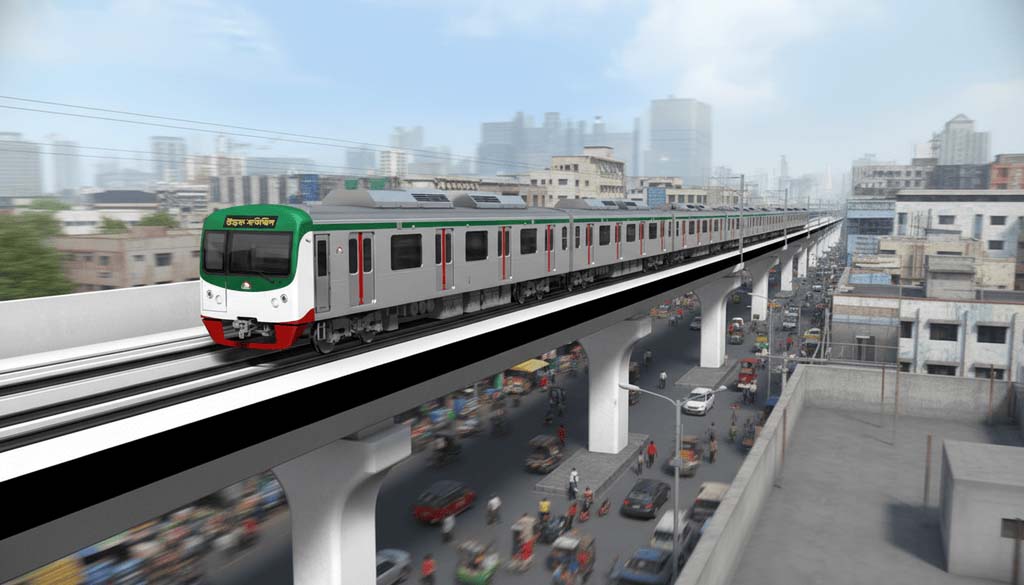
Metro rail, also called subway or underground railway, is a modern transportation system that helps people travel quickly and safely in big cities. Dhaka is building its first metro rail system to solve severe traffic congestion problems. The metro rail runs on fixed tracks both above ground and underground below city streets, carrying hundreds of thousands of passengers every day. It is much faster than buses and cars stuck in traffic. The metro train is electric-powered, which means it doesn’t pollute the air like cars and trucks do. Traveling by metro rail is cheaper and safer than driving personal cars. The metro rail has multiple stations where passengers board and exit trains. Each train is equipped with comfortable seats, fans, and proper lighting for passenger convenience. The metro rail reduces traffic on roads and saves time for commuters traveling to work and school. When the Dhaka Metro Rail becomes operational, it will greatly improve the city’s transportation system and quality of life. People will reach their destinations faster, reducing stress and pollution in the city.
Key Vocabulary:
| English Word | Bangla Meaning |
|---|---|
| Metro rail | মেট্রো রেল, ভূগর্ভ রেলপথ |
| Subway | ভূগর্ভ রেলপথ |
| Transportation | পরিবহন |
| Congestion | ভিড়, গতিরোধ |
| Underground | ভূগর্ভস্থ |
| Electric-powered | বিদ্যুৎ চালিত |
| Stations | স্টেশন |
| Reduces | হ্রাস করা |
| Pollution | দূষণ |
Metro Rail Paragraph for Class 7/8 (250 words)
Metro rail is a modern rapid transit system utilizing automated trains running on dedicated tracks to move large numbers of passengers efficiently through urban areas. Dhaka faces severe traffic congestion with millions of vehicles causing transportation bottlenecks, air pollution, and wasted time during commute hours. The Dhaka Metro Rail project, initiated to address these challenges, comprises multiple lines connecting different parts of the city. Metro rail operates both at ground level and underground beneath city streets, maximizing space utilization in crowded urban environments. The system is electric-powered, producing zero emissions and contributing to environmental protection and air quality improvement. Metro trains operate at high speeds exceeding eighty kilometers per hour, significantly reducing travel time compared to buses and personal vehicles trapped in traffic.
The metro rail offers numerous benefits to commuters and the city. It provides affordable, comfortable, and reliable transportation for millions of daily passengers. Modern trains have air conditioning, proper lighting, and safety features ensuring passenger security and comfort. The metro reduces road congestion by shifting passenger traffic from roads to rails, decreasing air pollution and emissions. It creates employment opportunities during construction and operation phases. The system encourages economic growth by improving accessibility to commercial and business districts. Metro rail reduces household expenses for commuters compared to personal vehicle ownership and fuel costs.
The Dhaka Metro Rail project demonstrates Bangladesh’s commitment to modern infrastructure and sustainable urban development. The project faces challenges including high construction costs and land acquisition difficulties. Once completed, it will transform Dhaka’s transportation landscape, making the city more livable, prosperous, and environmentally friendly. The metro rail symbolizes progress and modernization of Bangladesh’s cities.
Key Vocabulary:
| English Word | Bangla Meaning |
|---|---|
| Metro rail | মেট্রো রেল |
| Transit | পরিবহন, যাতায়াত |
| Congestion | ভিড়, গতিরোধ |
| Transportation | পরিবহন |
| Pollution | দূষণ |
| Underground | ভূগর্ভস্থ |
| Electric-powered | বিদ্যুৎ চালিত |
| Emissions | নির্গমন, দূষণ |
| Benefits | সুবিধা, লাভ |
| Affordable | সাশ্রয়ী |
| Comfortable | আরামদায়ক |
| Reliable | নির্ভরযোগ্য |
| Passengers | যাত্রী |
| Congestion | গতিরোধ, ভিড় |
| Accessibility | প্রবেশাধিকার |
| Household expenses | পরিবারের খরচ |
| Ownership | মালিকানা |
| Sustainable | টেকসই |
| Challenges | চ্যালেঞ্জ, বাধা |
| Construction | নির্মাণ |
| Land acquisition | জমি অধিগ্রহণ |
| Transform | পরিবর্তন করা |
| Environmentally | পরিবেশগতভাবে |
| Symbolizes | প্রতীক করে |
Metro Rail Paragraph for SSC Level (350 words)
Metro rail represents a modern rapid transit system utilizing automated electric trains on dedicated tracks to efficiently transport large volumes of urban passengers. Dhaka confronts severe traffic congestion with an estimated four million registered vehicles, creating transportation challenges including prolonged commute times, environmental pollution, and economic losses. The Dhaka Metro Rail project, comprising six planned lines covering approximately one hundred eleven kilometers, aims to revolutionize urban transportation and reduce vehicular congestion.
Metro systems operate at ground level and underground, maximizing urban space utilization while minimizing land acquisition impacts. The system is completely electric-powered, producing zero emissions and contributing substantially to environmental protection and air quality improvement in congested cities. Metro trains operate at high speeds exceeding eighty kilometers per hour, reducing travel times by fifty to sixty percent compared to conventional bus systems. Modern metro trains feature air conditioning, proper lighting, safety mechanisms, and comfortable seating accommodating thousands of passengers per journey. The frequency of train operations, typically every three to five minutes during peak hours, ensures minimal waiting times and convenience for commuters.
The socioeconomic benefits of metro rail are substantial and transformative. Metro systems reduce road congestion by shifting significant passenger traffic from roads to rails, decreasing air pollution and emissions. The reduced congestion improves productivity through reduced travel time losses. Metro rail provides affordable and reliable transportation for low-income populations, improving their accessibility to employment and educational opportunities. The project creates thousands of jobs during construction and provides permanent employment during operations. Metro development stimulates economic growth in surrounding areas through increased property values and commercial activities. Government investment in metro infrastructure demonstrates commitment to sustainable urban development and modernization.
The Dhaka Metro Rail project faces challenges including high construction costs exceeding three billion dollars, land acquisition complexities, and environmental impacts. However, long-term benefits including reduced congestion, improved air quality, and economic growth justify the investment. Metro rail integration with other transportation modes creates a comprehensive urban mobility system. Successful implementation of the Dhaka Metro Rail will establish Bangladesh as a progressive nation with modern infrastructure and sustainable urban development practices.
Key Vocabulary:
| English Word | Bangla Meaning |
|---|---|
| Metro rail | মেট্রো রেল |
| Transit | পরিবহন, যাতায়াত |
| Volumes | পরিমাণ |
| Passengers | যাত্রী |
| Congestion | ভিড়, গতিরোধ |
| Transportation | পরিবহন |
| Commute times | যাতায়াতের সময় |
| Pollution | দূষণ |
| Underground | ভূগর্ভস্থ |
| Land acquisition | জমি অধিগ্রহণ |
| Impacts | প্রভাব |
| Electric-powered | বিদ্যুৎ চালিত |
| Emissions | নির্গমন |
| Frequency | ঘনত্ব, পুনরাবৃত্তি |
| Convenience | সুবিধা |
| Substantial | উল্লেখযোগ্য, বিশাল |
| Transformative | পরিবর্তনকারী |
| Shifting | স্থানান্তর করা |
| Productivity | উৎপাদনশীলতা |
| Affordable | সাশ্রয়ী |
| Reliable | নির্ভরযোগ্য |
| Accessibility | প্রবেশাধিকার |
| Investment | বিনিয়োগ |
| Sustainable | টেকসই |
| Modernization | আধুনিকীকরণ |
| Challenges | চ্যালেঞ্জ, বাধা |
| Construction | নির্মাণ |
| Environmental | পরিবেশগত |
| Integration | সমন্বয়, একীকরণ |
| Comprehensive | ব্যাপক |
| Modern infrastructure | আধুনিক অবকাঠামো |
| Development | উন্নয়ন |
Metro Rail Paragraph for HSC Level (450 words)
Metro rail infrastructure represents a technological advancement in rapid transit systems utilizing automated electric trains operating on segregated corridors to facilitate high-capacity passenger transportation in urban metropolitan areas. Dhaka confronts unprecedented transportation challenges with approximately four million registered vehicles generating severe congestion, increased commute durations, significant environmental degradation, and economic productivity losses. The Dhaka Metro Rail project, comprising six planned lines spanning approximately one hundred eleven kilometers, constitutes a comprehensive urban mobility solution addressing these systemic challenges.
Metro systems employ segregated track infrastructure operating at ground level and underground, maximizing spatial efficiency while minimizing adverse environmental and social impacts. Trains are entirely electric-powered, producing zero emissions and contributing substantially to air quality improvement and pollution reduction. Metro trains achieve operational speeds exceeding eighty kilometers per hour, enabling substantial travel time reductions from fifty to sixty percent compared to conventional transit modes. Modern metro systems feature sophisticated safety mechanisms, climate control systems, accessible facilities for disabled passengers, and capacity accommodating fifteen thousand passengers per train. Operational frequency of trains every three to five minutes during peak hours ensures minimal passenger waiting durations and optimal convenience.
The socioeconomic implications of metro rail development are profound and multidimensional. Metro systems redistribute passenger traffic from congested roads to rail corridors, reducing vehicular congestion, emissions, and air pollution substantially. Reduced travel times increase workforce productivity and economic efficiency across sectors. Metro rail provides equitable, affordable transportation improving accessibility to employment, education, and healthcare services for economically disadvantaged populations. The construction phase creates thousands of employment opportunities across skill levels. Metro development generates permanent operational jobs and stimulates economic growth through increased commercial activities, property appreciation, and business expansion in surrounding areas. Government infrastructure investment demonstrates commitment to sustainable urban development and modernization.
The Dhaka Metro Rail project encounters substantial challenges including extraordinary construction costs exceeding three billion US dollars, complex land acquisition processes, geological and environmental constraints, and project implementation delays. Engineering solutions include underground construction utilizing tunnel boring machines and deep excavation techniques. However, long-term socioeconomic benefits including sustained congestion reduction, environmental quality improvement, enhanced productivity, and economic growth justify significant public investment. Successful metro implementation enables multimodal transportation integration creating seamless urban mobility systems. Completion of Dhaka Metro Rail will establish Bangladesh as a progressive nation with world-class infrastructure and demonstrate commitment to sustainable urban planning, environmental responsibility, and socioeconomic development. The metro rail project symbolizes national aspirations for modernization and prosperity.
Key Vocabulary:
| English Word | Bangla Meaning |
|---|---|
| Metro rail | মেট্রো রেল |
| Infrastructure | অবকাঠামো |
| Technological | প্রযুক্তিগত |
| Transit | পরিবহন |
| Automated | স্বয়ংক্রিয় |
| Corridors | পথ, গলি |
| High-capacity | উচ্চ ক্ষমতা সম্পন্ন |
| Passenger | যাত্রী |
| Transportation | পরিবহন |
| Metropolitan | মেট্রোপলিটন, শহুরে |
| Commute | যাতায়াত |
| Degradation | অবনমন |
| Economic | অর্থনৈতিক |
| Comprehensive | ব্যাপক |
| Systemic | ব্যবস্থাগত |
| Segregated | পৃথক করা |
| Track | ট্র্যাক, পথ |
| Underground | ভূগর্ভস্থ |
| Environmental | পরিবেশগত |
| Impacts | প্রভাব |
| Electric-powered | বিদ্যুৎ চালিত |
| Emissions | নির্গমন |
| Pollution | দূষণ |
| Substantial | উল্লেখযোগ্য |
| Sophisticated | জটিল, উন্নত |
| Safety mechanisms | নিরাপত্তা ব্যবস্থা |
| Capacity | ক্ষমতা |
| Frequency | ঘনত্ব |
| Minimal | ন্যূনতম |
| Optimal | সর্বোত্তম |
| Convenience | সুবিধা |
| Profound | গভীর |
| Redistribute | পুনরায় বিতরণ করা |
| Productivity | উৎপাদনশীলতা |
| Equitable | ন্যায্য |
| Affordable | সাশ্রয়ী |
| Accessibility | প্রবেশাধিকার |
| Disadvantaged | অসুবিধাজনক, বঞ্চিত |
| Activities | কার্যক্রম |
| Investment | বিনিয়োগ |
| Sustainable | টেকসই |
| Modernization | আধুনিকীকরণ |
| Substantial challenges | উল্লেখযোগ্য চ্যালেঞ্জ |
| Tunnel boring machines | টানেল খনন যন্ত্র |
| Deep excavation | গভীর খোদাই |
| Constraints | সীমাবদ্ধতা |
| Multimodal | বহুমোড |
| Integration | সমন্বয় |
| Seamless | নিরবচ্ছিন্ন |
| Establish | প্রতিষ্ঠা করা |
| World-class | বিশ্বমানের |
| Demonstrate | প্রদর্শন করা |
| Planning | পরিকল্পনা |
| Responsibility | দায়িত্ব |
| Aspirations | আকাঙ্ক্ষা |
| Prosperity | সমৃদ্ধি |
Exam-Style FAQs on Metro Rail
Q1: What is metro rail and how does it differ from conventional buses and cars?
Answer: Metro rail is a modern rapid transit system using electric trains on dedicated tracks. Unlike buses and cars stuck in traffic, metro trains operate at high speeds exceeding eighty kilometers per hour on fixed routes, providing faster, more reliable transportation.
Key Vocabulary: Metro rail (মেট্রো রেল), Conventional (প্রথাগত), Transit (পরিবহন), Electric (বিদ্যুৎ চালিত), Transportation (পরিবহন)
Q2: Why does Dhaka need a metro rail system?
Answer: Dhaka faces severe traffic congestion with four million vehicles creating transportation bottlenecks, prolonged commute times, air pollution, and economic losses. Metro rail will reduce road congestion, decrease emissions, and provide fast, affordable transportation for millions of commuters.
Key Vocabulary: Metro rail (মেট্রো রেল), Congestion (ভিড়), Transportation (পরিবহন), Commute (যাতায়াত), Pollution (দূষণ), Emissions (নির্গমন)
Q3: What are the main features and advantages of the Dhaka Metro Rail system?
Answer: Dhaka Metro Rail comprises six lines covering one hundred eleven kilometers with electric-powered trains operating underground and above ground. Advantages include zero emissions, high speed reducing travel time by fifty to sixty percent, affordable fares, comfortable seating, and trains every three to five minutes ensuring convenience.
Key Vocabulary: Metro Rail (মেট্রো রেল), Advantages (সুবিধা), Electric-powered (বিদ্যুৎ চালিত), Emissions (নির্গমন), Affordable (সাশ্রয়ী), Convenience (সুবিধা)
Q4: How will metro rail reduce traffic congestion and pollution in Dhaka?
Answer: Metro rail shifts hundreds of thousands of passengers from congested roads to rail corridors, reducing vehicular congestion and road traffic. Since trains are electric-powered, they produce zero emissions unlike cars and buses, significantly improving air quality and reducing environmental pollution.
Key Vocabulary: Reduce (হ্রাস করা), Congestion (ভিড়), Pollution (দূষণ), Shifts (স্থানান্তর করা), Passengers (যাত্রী), Corridors (পথ), Electric-powered (বিদ্যুৎ চালিত), Emissions (নির্গমন)
Q5: What socioeconomic benefits will Dhaka Metro Rail provide to the city and its residents?
Answer: Metro rail provides affordable, reliable transportation improving accessibility to jobs, schools, and services. Reduced commute times increase workforce productivity. The project creates construction and permanent operational jobs. Metro development stimulates economic growth and increases property values in surrounding commercial areas.
Key Vocabulary: Socioeconomic benefits (সামাজিক-অর্থনৈতিক সুবিধা), Affordable (সাশ্রয়ী), Reliable (নির্ভরযোগ্য), Transportation (পরিবহন), Accessibility (প্রবেশাধিকার), Commute (যাতায়াত), Productivity (উৎপাদনশীলতা), Economic (অর্থনৈতিক)
Q6: How does metro rail infrastructure operate both above ground and underground?
Answer: Metro rail uses segregated track infrastructure maximizing space utilization in congested cities. Trains run at ground level on elevated structures above city streets and underground through tunnels beneath streets. Underground construction using tunnel boring machines avoids surface land acquisition while reducing environmental disruption.
Key Vocabulary: Infrastructure (অবকাঠামো), Underground (ভূগর্ভস্থ), Segregated (পৃথক করা), Tunnels (টানেল), Tunnel boring machines (টানেল খনন যন্ত্র), Land acquisition (জমি অধিগ্রহণ), Environmental (পরিবেশগত)
Q7: What challenges does the Dhaka Metro Rail project face?
Answer: Major challenges include extraordinary construction costs exceeding three billion dollars, complex land acquisition processes involving thousands of properties, geological constraints, environmental concerns, and project implementation delays. Engineering solutions include underground tunnel construction and innovative design techniques.
Key Vocabulary: Challenges (চ্যালেঞ্জ), Construction (নির্মাণ), Land acquisition (জমি অধিগ্রহণ), Constraints (সীমাবদ্ধতা), Environmental (পরিবেশগত), Tunnel construction (টানেল নির্মাণ), Design (ডিজাইন)
Q8: How will metro rail integrate with other transportation modes in Dhaka?
Answer: Metro rail will integrate with buses, cycling, walking, and feeder services creating a multimodal transportation system. This seamless integration allows passengers to transfer between different transportation modes efficiently, providing comprehensive urban mobility coverage across the city.
Key Vocabulary: Integrate (একীভূত করা), Transportation (পরিবহন), Multimodal (বহুমোড), Integration (সমন্বয়), Seamless (নিরবচ্ছিন্ন), Passengers (যাত্রী), Mobility (গতিশীলতা)
Q9: What role will metro rail play in sustainable urban development for Dhaka?
Answer: Metro rail represents sustainable urban development through zero emissions, reduced environmental pollution, and efficient land utilization. It reduces dependence on personal vehicles, decreases carbon emissions, and improves air quality. Metro development aligns with environmental goals and demonstrates Bangladesh’s commitment to modern, eco-friendly urban planning.
Key Vocabulary: Sustainable (টেকসই), Emissions (নির্গমন), Pollution (দূষণ), Land utilization (ভূমি ব্যবহার), Environmental (পরিবেশগত), Demonstrates (প্রদর্শন করা)
Q10: How will the successful completion of Dhaka Metro Rail establish Bangladesh as a progressive nation?
Answer: Completing the metro rail project will demonstrate Bangladesh’s capability to develop world-class infrastructure and modern urban systems. It symbolizes national aspirations for modernization, prosperity, and sustainable development. The metro rail will position Bangladesh as a progressive nation committed to urban development, environmental responsibility, and improving citizens’ quality of life.
Key Vocabulary: Completion (সমাপ্তি), Establish (প্রতিষ্ঠা করা), Capability (সক্ষমতা), World-class (বিশ্বমানের), Infrastructure (অবকাঠামো), Symbolizes (প্রতীক করে), Aspirations (আকাঙ্ক্ষা), Modernization (আধুনিকীকরণ), Prosperity (সমৃদ্ধি), Sustainable (টেকসই), Nation (জাতি), Development (উন্নয়ন)