





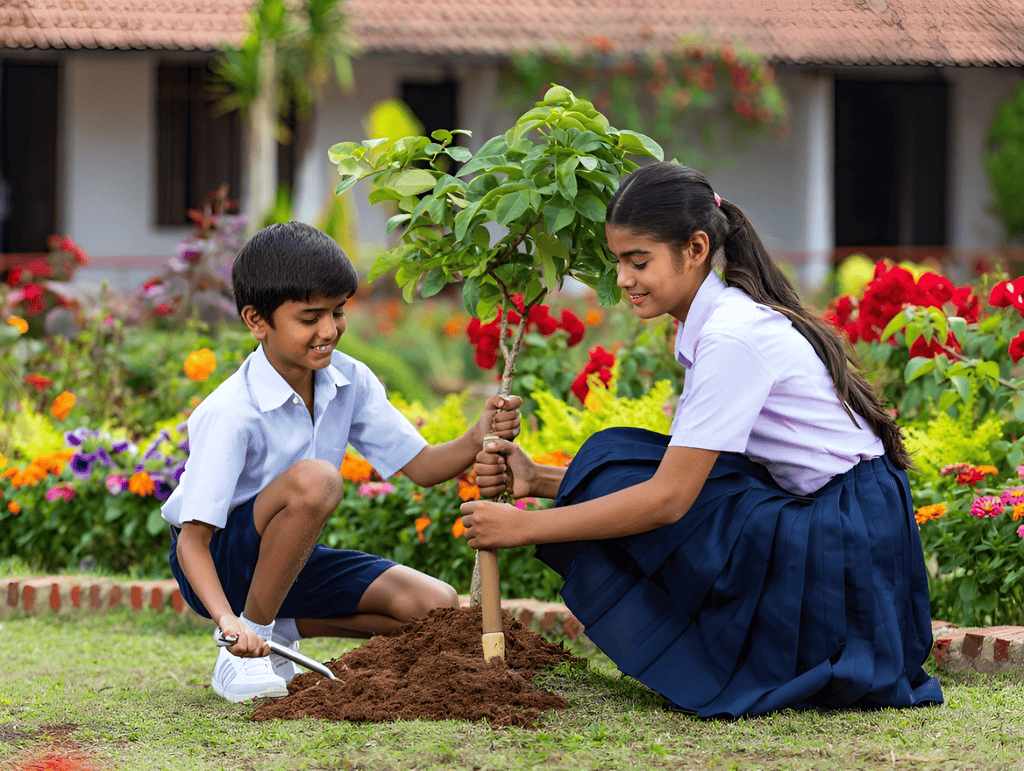
Tree Plantation Paragraph for Class 6/7 (150 words)
Trees are very important for our life and our environment. Tree plantation means planting new trees in soil to help nature grow. Bangladesh needs more trees because many forests have been cut down for buildings and roads. Trees give us oxygen to breathe, clean air, and provide shade during hot weather. They also give us fruits, wood, and medicines that we use every day. Trees help stop erosion of soil and prevent flooding during heavy rains. Many birds and animals live in trees and depend on them for food and shelter. When we plant trees, we help make Bangladesh greener and more beautiful. Schools and communities often organize plantation programs where students plant trees together. Planting trees is easy and anyone can do it. We should plant at least one tree every year in our area. The government also encourages tree plantation by giving incentives and rewards. Every person has a responsibility to plant trees and protect them from being cut down. By planting trees today, we are creating a better and healthier future for coming generations.
Key Vocabulary:
| English Word | Bangla Meaning |
|---|---|
| Plantation | রোপণ, গাছ রোপণ |
| Breathe | শ্বাস নেওয়া |
| Erosion | মাটির ক্ষয় |
| Flooding | বন্যা |
| Government | সরকার |
| Incentives | প্রণোদনা, উৎসাহ |
Tree Plantation Paragraph for Class 7/8 (250 words)
Tree plantation refers to the systematic planting and cultivation of trees in areas where they are needed for environmental, economic, and social benefits. Bangladesh faces a critical challenge of deforestation as forests have been reduced due to urbanization, agricultural expansion, and illegal logging activities. Currently, only about seventeen percent of Bangladesh is covered with forests, which is far below the required level. Tree plantation is essential to restore forest cover and maintain ecological balance in the country. Trees play a crucial role in purifying air by absorbing carbon dioxide and releasing oxygen, which we breathe. They prevent soil erosion, reduce flooding during monsoon seasons, and maintain water table levels in the ground. Trees provide timber, fruits, vegetables, medicines, and other resources that people use daily. They create habitats for countless birds, animals, and insects that form the ecosystem. Trees also provide shade and cooling effects that reduce temperature in urban areas. Tree plantation programs in schools teach students about environmental responsibility and develop their interest in nature. The government of Bangladesh has launched various programs and allocated budget for large-scale tree plantation projects. Communities and NGOs organize plantation drives to encourage public participation. Planting trees is a long-term investment in the future that requires patience and care. Every individual must understand that tree plantation is not just an activity but a responsibility toward protecting our environment and ensuring a healthy Bangladesh for future generations.
Key Vocabulary:
| English Word | Bangla Meaning |
|---|---|
| Plantation | রোপণ, গাছ রোপণ |
| Deforestation | বনায়ন বিনাশ |
| Urbanization | শহরায়ন |
| Essential | অপরিহার্য, প্রয়োজনীয় |
| Purifying | বিশুদ্ধকরণ, পরিষ্কার করা |
| Prevent | প্রতিরোধ করা |
| Erosion | মাটির ক্ষয় |
| Flooding | বন্যা |
| Timber | কাঠ, বৃক্ষ সম্পদ |
| Resources | সম্পদ |
| Habitats | বাসস্থান, আশ্রয়স্থল |
| Ecosystem | জীবপ্রণালী |
| Shade | ছায়া |
| Cooling | ঠান্ডা, শীতলকরণ |
| Government | সরকার |
| Participation | অংশগ্রহণ |
| Patience | ধৈর্য |
| Responsibility | দায়িত্ব |
Tree Plantation Paragraph for Class 9, 10 & SSC Level (350 words)
Tree plantation is the deliberate and systematic process of establishing forest cover through planting seedlings and saplings in degraded or deforested areas. Bangladesh faces severe deforestation challenges with forest cover reduced to approximately seventeen percent of total land area, far below the international standard of twenty-five percent. Urbanization, agricultural expansion, illegal logging, and infrastructure development have destroyed vast tracts of forests. Restoring forest cover through tree plantation has become critical for environmental sustainability and national development.
Trees provide multiple environmental benefits essential for human survival and ecological balance. Trees absorb harmful carbon dioxide from the atmosphere and produce oxygen through photosynthesis, significantly improving air quality in cities and towns. The root systems of trees bind soil particles firmly, preventing severe soil erosion caused by water and wind, particularly important in hilly and coastal regions. Trees intercept and slow down rainfall, reducing surface runoff and flooding during monsoon seasons, while enhancing ground water recharge. Forest ecosystems provide habitats for thousands of species of birds, mammals, and insects that maintain biodiversity and ecological balance. Trees provide valuable resources including timber for construction, fruits and vegetables for nutrition, medicines for healthcare, and fuel wood for energy.
Tree plantation programs in Bangladesh include government-led initiatives like the National Afforestation Program and community-based grassroots movements. Schools organize plantation drives where students plant saplings and learn environmental values. NGOs conduct awareness campaigns promoting tree planting among rural and urban populations. Nurseries have been established to produce quality seedlings for distribution. The government provides incentives and subsidies to encourage landowners and farmers to plant trees on available land.
Successful tree plantation requires proper planning, selection of appropriate species, regular maintenance, and protection from cattle and illegal cutting. Protecting existing trees from deforestation is equally important as planting new ones. Community participation and individual responsibility are essential for achieving long-term success. Every Bangladeshi citizen must recognize tree plantation as a moral obligation to protect the environment, combat climate change, and ensure a sustainable and green Bangladesh for future generations.
Key Vocabulary:
| English Word | Bangla Meaning |
|---|---|
| Plantation | রোপণ, গাছ রোপণ |
| Deforestation | বনায়ন বিনাশ |
| Urbanization | শহরায়ন |
| Critical | গুরুত্বপূর্ণ, সংকটপূর্ণ |
| Environmental benefits | পরিবেশগত সুবিধা |
| Photosynthesis | সালোকসংশ্লেষণ |
| Root systems | মূল ব্যবস্থা |
| Preventing | প্রতিরোধ করা |
| Soil erosion | মাটির ক্ষয় |
| Coastal | উপকূলীয় |
| Rainfall | বৃষ্টিপাত |
| Runoff | পৃষ্ঠ প্রবাহ |
| Flooding | বন্যা |
| Recharge | পুনরায় পূরণ |
| Habitats | বাসস্থান |
| Species | প্রজাতি |
| Biodiversity | জীববৈচিত্র্য |
| Ecological balance | জীবপ্রণালী ভারসাম্য |
| Resources | সম্পদ |
| National Afforestation Program | জাতীয় বনায়ন কর্মসূচি |
| Plantation drives | রোপণ অভিযান |
| Nurseries | নার্সারি, চারা বাগান |
| Incentives | প্রণোদনা, উৎসাহ |
| Subsidies | ভর্তুকি |
| Planning | পরিকল্পনা |
| Appropriate species | উপযুক্ত প্রজাতি |
| Maintenance | রক্ষণাবেক্ষণ |
| Protection | সুরক্ষা |
| Participation | অংশগ্রহণ |
| Obligation | কর্তব্য, দায়িত্ব |
Tree Plantation Paragraph for HSC Level (450 words)
Tree plantation represents a strategic intervention for restoring degraded ecosystems and addressing environmental challenges through systematic cultivation of forest cover. Bangladesh currently faces unprecedented deforestation with forest coverage reduced to approximately seventeen percent, primarily due to urbanization, agricultural intensification, infrastructure development, and illegal logging activities. The nation requires comprehensive tree plantation programs to achieve the international standard of twenty-five percent forest cover and accomplish sustainable development objectives.
Trees provide multifaceted environmental services critical for ecological stability and human wellbeing. Through photosynthesis, trees absorb atmospheric carbon dioxide and generate oxygen, improving air quality and mitigating climate change impacts. The extensive root systems stabilize soil structure, preventing significant soil erosion in hilly, agricultural, and coastal regions vulnerable to surface degradation. Trees intercept rainfall, reduce surface runoff velocity, and enhance groundwater infiltration and recharge, thereby regulating water cycles and reducing flood intensity during monsoon periods. Forest ecosystems maintain biodiversity by providing habitats for thousands of species of fauna and flora, sustaining ecological balance and food chains. Trees provide economic resources including timber for construction and furniture, fruits and vegetables for nutritional security, medicinal plants for healthcare, and biomass for energy production.
Bangladesh implements comprehensive tree plantation initiatives through multiple mechanisms. The government-led National Afforestation Program sets targets for expanding forest coverage across public and private lands. Schools and educational institutions conduct plantation drives integrating environmental education with practical conservation activities. Civil society organizations and NGOs mobilize community participation through awareness campaigns emphasizing long-term environmental benefits. State-supported nurseries produce quality seedlings ensuring genetic diversity and appropriate species selection for different geographic regions and climatic conditions. The government provides incentives, subsidies, and technical support encouraging landowners and farmers to adopt agroforestry and establish tree-based livelihood systems.
Successful tree plantation requires strategic planning, careful species selection based on ecological requirements and local conditions, regular maintenance including weeding and irrigation, and long-term protection from anthropogenic threats including illegal felling and grazing. Monitoring and evaluation systems assess plantation success rates and guide adaptive management strategies. Protecting existing forest areas from deforestation complements new plantation efforts. Community participation, government commitment, educational awareness, and individual responsibility are fundamental for achieving sustainable forest regeneration. Every citizen must recognize tree plantation as a moral and environmental imperative essential for climate change mitigation, biodiversity conservation, water security, and creating a prosperous green Bangladesh for future generations and long-term national sustainability.
Key Vocabulary:
| English Word | Bangla Meaning |
|---|---|
| Plantation | রোপণ, গাছ রোপণ |
| Intervention | হস্তক্ষেপ |
| Environmental | পরিবেশগত |
| Deforestation | বনায়ন বিনাশ |
| Urbanization | শহরায়ন |
| Objectives | উদ্দেশ্য |
| Environmental services | পরিবেশগত সেবা |
| Photosynthesis | সালোকসংশ্লেষণ |
| Mitigating | হ্রাস করা |
| Root systems | মূল ব্যবস্থা |
| Preventing | প্রতিরোধ করা |
| Soil erosion | মাটির ক্ষয় |
| Coastal | উপকূলীয় |
| Intercept | আটকানো, প্রতিরোধ করা |
| Rainfall | বৃষ্টিপাত |
| Runoff | পৃষ্ঠ প্রবাহ |
| Velocity | গতিবেগ |
| Infiltration | অনুপ্রবেশ |
| Recharge | পুনরায় পূরণ |
| Regulating | নিয়ন্ত্রণ করা |
| Intensity | তীব্রতা |
| Monsoon | বর্ষাকাল |
| Biodiversity | জীববৈচিত্র্য |
| Habitats | বাসস্থান |
| Species | প্রজাতি |
| Ecological balance | জীবপ্রণালী ভারসাম্য |
| Food chains | খাদ্য শৃঙ্খল |
| Economic resources | অর্থনৈতিক সম্পদ |
| Comprehensive | ব্যাপক |
| Mechanisms | পদ্ধতি, ব্যবস্থা |
| National Afforestation Program | জাতীয় বনায়ন কর্মসূচি |
| Institutions | প্রতিষ্ঠান |
| Plantation drives | রোপণ অভিযান |
| Nurseries | নার্সারি, চারা বাগান |
| Appropriate | উপযুক্ত |
| Climatic | জলবায়ুগত |
| Incentives | প্রণোদনা |
| Subsidies | ভর্তুকি |
| Livelihood | জীবিকা |
| Strategic planning | কৌশলগত পরিকল্পনা |
| Species selection | প্রজাতি নির্বাচন |
| Ecological | জীবপ্রণালী সংক্রান্ত |
| Protection | সুরক্ষা |
| Anthropogenic | মানব-সৃষ্ট |
| Monitoring | পর্যবেক্ষণ |
| Evaluation | মূল্যায়ন |
| Existing | বিদ্যমান |
| Commitment | প্রতিশ্রুতি |
| Fundamental | মৌলিক |
| Imperative | অত্যন্ত প্রয়োজনীয় |
| Mitigation | প্রশমন, হ্রাস করা |
Exam-Style FAQs on Tree Plantation
Q1: What is tree plantation and why is it important for Bangladesh?
Answer: Tree plantation is planting new trees in soil to restore forests. It is important because Bangladesh has lost many forests to urbanization and construction. Trees give us oxygen, clean air, prevent flooding, and provide food and resources we need to survive.
Key Vocabulary: Plantation (রোপণ), Urbanization (শহরায়ন), Flooding (বন্যা), Resources (সম্পদ)
Q2: How do trees help prevent soil erosion and flooding in Bangladesh?
Answer: Tree root systems bind soil firmly and prevent it from washing away. Trees also intercept rainfall, slow down water flow, and allow water to soak into ground instead of running off quickly, reducing flooding and erosion.
Key Vocabulary: Prevent (প্রতিরোধ করা), Soil erosion (মাটির ক্ষয়), Flooding (বন্যা), Root systems (মূল ব্যবস্থা), Intercept (আটকানো)
Q3: What environmental benefits do trees provide to our environment?
Answer: Trees produce oxygen and absorb harmful carbon dioxide through photosynthesis, improving air quality. They maintain biodiversity by providing habitats for animals and birds, regulate water cycles, reduce temperature in cities, and provide fruits, medicines, and timber resources.
Key Vocabulary: Environmental benefits (পরিবেশগত সুবিধা), Photosynthesis (সালোকসংশ্লেষণ), Biodiversity (জীববৈচিত্র্য), Habitats (বাসস্থান), Resources (সম্পদ)
Q4: What is the current forest coverage in Bangladesh and what is the international standard?
Answer: Bangladesh currently has only about seventeen percent forest coverage, which is far below the international standard of twenty-five percent. This deforestation is due to urbanization, agricultural expansion, and illegal logging activities threatening environmental balance.
Key Vocabulary: Forest coverage (বনের আচ্ছাদন), Deforestation (বনায়ন বিনাশ), Urbanization (শহরায়ন)
Q5: How does the government of Bangladesh promote tree plantation?
Answer: The government has launched the National Afforestation Program with budget allocation and incentives for large-scale tree planting. Government provides subsidies and technical support to farmers and landowners. Schools and communities organize plantation drives with government support and encouragement.
Key Vocabulary: Plantation (রোপণ), National Afforestation Program (জাতীয় বনায়ন কর্মসূচি), Subsidies (ভর্তুকি), Plantation drives (রোপণ অভিযান)
Q6: What role do schools and educational institutions play in tree plantation programs?
Answer: Schools conduct plantation drives where students plant trees and learn environmental responsibility. Educational programs teach students about importance of forests and biodiversity. Student participation creates awareness among families and communities about the need for protecting and planting trees.
Key Vocabulary: Institutions (প্রতিষ্ঠান), Plantation (রোপণ), Plantation drives (রোপণ অভিযান), Biodiversity (জীববৈচিত্র্য)
Q7: How do trees contribute to mitigating climate change?
Answer: Trees absorb carbon dioxide, a major greenhouse gas responsible for climate change, through photosynthesis. Large forests act as carbon sinks, removing CO2 from the atmosphere. Increased tree cover reduces global temperatures and helps mitigate devastating effects of climate change on Bangladesh.
Key Vocabulary: Mitigating (হ্রাস করা), Photosynthesis (সালোকসংশ্লেষণ)
Q8: What appropriate tree species should be planted in different regions of Bangladesh?
Answer: Tree species should be selected based on local climatic conditions and ecological requirements. Coastal regions need mangrove trees that resist salt water. Hilly areas need species that prevent erosion. Urban areas need trees providing shade and cooling effects while tolerating pollution.
Key Vocabulary: Appropriate (উপযুক্ত), Species (প্রজাতি), Climatic (জলবায়ুগত), Ecological (জীবপ্রণালী সংক্রান্ত), Mangrove (ম্যানগ্রোভ), Erosion (ক্ষয়), Cooling (শীতলকরণ)
Q9: What measures are necessary for successful long-term tree plantation and forest management?
Answer: Successful tree plantation requires careful planning, appropriate species selection, regular maintenance including weeding and watering, and long-term protection from grazing and illegal cutting. Monitoring success rates and replacing dead saplings ensures achieving plantation objectives.
Key Vocabulary: Plantation (রোপণ), Planning (পরিকল্পনা), Appropriate (উপযুক্ত), Species selection (প্রজাতি নির্বাচন), Maintenance (রক্ষণাবেক্ষণ), Protection (সুরক্ষা), Monitoring (পর্যবেক্ষণ)
Q10: What is the individual responsibility of every Bangladeshi citizen regarding tree plantation and conservation?
Answer: Every citizen should plant at least one tree annually in their neighborhood or community area. We must protect existing trees from cutting and damage. We should participate in tree plantation drives organized by schools and NGOs, raise awareness among family and friends, and treat tree plantation as a moral obligation toward protecting Bangladesh’s environment.
Key Vocabulary: Plantation (রোপণ), Conservation (সংরক্ষণ), Existing (বিদ্যমান), Plantation drives (রোপণ অভিযান), Obligation (কর্তব্য)