



Tourism in Bangladesh Composition for Class 6 & 7 (200 words)
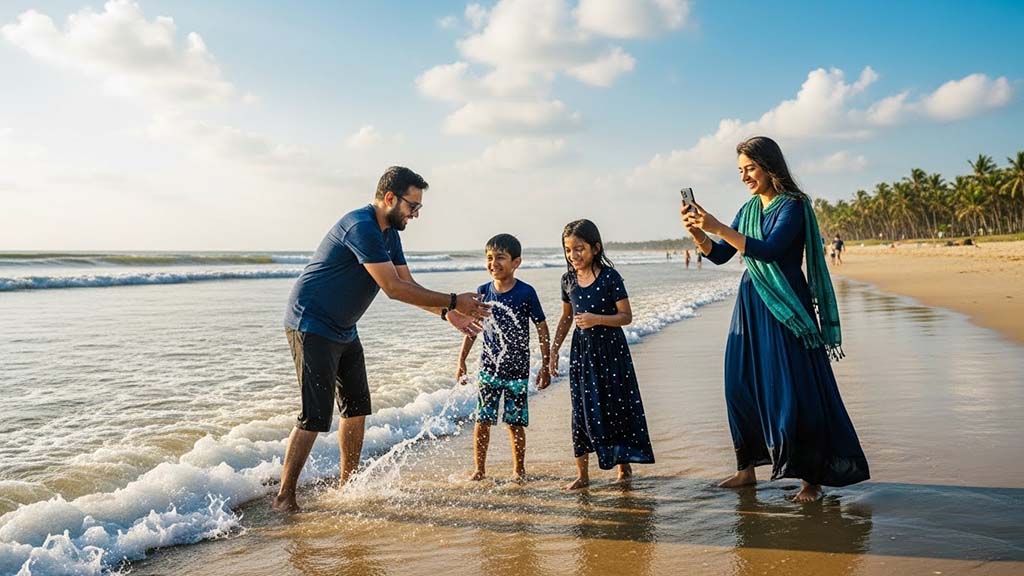
Tourism means when people from other countries visit Bangladesh to see our beautiful places. Bangladesh has many wonderful places that attract visitors from all over the world. We have the Sundarbans, which is a big forest with tigers and many animals. Cox’s Bazar has the longest beach in the world where visitors love to swim and enjoy the golden sand. The ancient city of Dhaka has many historical buildings and monuments that tell stories of our past.
Tourism is very important for our country. It brings money to Bangladesh and creates jobs for many people. When tourists visit, they stay in hotels, eat our delicious food, and buy our local products. This helps our economy grow strongly. Many people work as guides, in hotels, restaurants, and shops because of tourism.
However, we have some problems with tourism too. Sometimes tourists damage our nature and pollute our beaches. We must teach visitors to respect our environment and keep our places clean. The government and local people should work together to protect our natural resources.
Tourism in Bangladesh is both good and challenging. If we take proper care, tourism can make our country richer and more famous around the world. We should promote our beautiful places and welcome visitors with kindness and respect.
Key Vocabulary:
| English Word | Bangla Meaning |
|---|---|
| Tourism | পর্যটন |
| wonderful | দুর্দান্ত |
| forest | বন |
| golden | সোনালি |
| ancient | প্রাচীন |
| historical | ঐতিহাসিক |
| monuments | স্মৃতিস্তম্ভ |
| important | গুরুত্বপূর্ণ |
| money | অর্থ/টাকা |
| jobs | কাজ/চাকরি |
| hotels | হোটেল |
| local | স্থানীয় |
| economy | অর্থনীতি |
| strongly | শক্তিশালীভাবে |
| guides | পথপ্রদর্শক |
| environment | পরিবেশ |
| damage | ক্ষতি করা |
| pollute | দূষণ করা |
| natural resources | প্রাকৃতিক সম্পদ |
| protect | রক্ষা করা |
| challenging | চ্যালেঞ্জিং |
| care | যত্ন |
| richer | আরও সমৃদ্ধ |
| famous | বিখ্যাত |
| promote | প্রচার করা |
| beautiful | সুন্দর |
| respect | সম্মান |
Tourism in Bangladesh Composition for Class 7 & 8 (300 words)
Tourism is the activity of visiting places for pleasure and learning new things about different cultures and environments. Bangladesh has become an important tourist destination in South Asia. Our country is blessed with natural beauty and rich heritage that attract visitors from different parts of the world.
Bangladesh has many amazing places to visit. The Sundarbans is the world’s largest mangrove forest and home to the endangered Royal Bengal Tiger. Cox’s Bazar has the longest sandy beach where people enjoy swimming and water sports. Sylhet is famous for its tea gardens and rolling hills covered in green vegetation. The ancient city of Narai has historical temples and ruins that show our past glory. Dhaka, our capital city, has religious and cultural landmarks like the Lalbagh Fort and Mosque of Sixty Domes.
Tourism benefits our nation in several ways. It generates foreign exchange which strengthens our economy. Tourism creates employment opportunities for thousands of people in hotels, restaurants, transport, and retail shops. It also helps people learn about our traditions and customs, making Bangladesh recognised worldwide.
However, tourism brings some challenges too. Uncontrolled tourism can damage our ecosystems and pollute our natural places. Overcrowding at tourist sites causes environmental degradation. Sometimes visitors disrespect our religious sites and cultural values.
To develop tourism sustainably, we need proper planning and management. The government should make strict rules to prevent environmental damage. Local communities must benefit from tourism through training and business opportunities. We should encourage responsible tourism where visitors respect nature and our culture. With careful development, tourism can bring prosperity to Bangladesh while preserving our heritage for future generations.
Key Vocabulary:
| English Word | Bangla Meaning |
|---|---|
| Tourism | পর্যটন |
| pleasure | আনন্দ |
| cultures | সংস্কৃতি |
| environments | পরিবেশ |
| important | গুরুত্বপূর্ণ |
| tourist destination | পর্যটন গন্তব্য |
| natural | প্রাকৃতিক |
| beauty | সৌন্দর্য |
| rich | সমৃদ্ধ |
| heritage | ঐতিহ্য |
| visitors | দর্শক |
| amazing | আশ্চর্যজনক |
| mangrove forest | ম্যানগ্রোভ বন |
| endangered | বিপন্ন |
| Bengal Tiger | বাঘ |
| sandy beach | বালুকাময় সৈকত |
| swimming | সাঁতার |
| water sports | জল ক্রীড়া |
| tea gardens | চা বাগান |
| rolling hills | ঢেউয়ের মতো পাহাড় |
| green vegetation | সবুজ উদ্ভিদ |
| ancient | প্রাচীন |
| historical | ঐতিহাসিক |
| past glory | অতীতের গৌরব |
| capital | রাজধানী |
| religious | ধর্মীয় |
| cultural | সাংস্কৃতিক |
| landmarks | স্থাপনা |
| Lalbagh Fort | লালবাগ দুর্গ |
| benefits | সুবিধা |
| foreign exchange | বৈদেশিক মুদ্রা |
| strengthens | শক্তিশালী করে |
| employment | কর্মসংস্থান |
| retail shops | খুচরা দোকান |
| traditions | ঐতিহ্য |
| customs | প্রথা |
| recognised | স্বীকৃত |
| challenges | চ্যালেঞ্জ |
| damage | ক্ষতি |
| ecosystems | ইকোসিস্টেম |
| pollute | দূষণ |
| uncontrolled | অনিয়ন্ত্রিত |
| disrespect | অসম্মান |
| values | মূল্যবোধ |
| develop sustainably | টেকসই উন্নয়ন |
| proper planning | যথাযথ পরিকল্পনা |
| management | ব্যবস্থাপনা |
| strict rules | কঠোর নিয়ম |
| prevent | প্রতিরোধ |
| environmental degradation | পরিবেশগত অবনতি |
| training | প্রশিক্ষণ |
| business opportunities | ব্যবসায়িক সুযোগ |
| encourage | উৎসাহিত করা |
| responsible tourism | দায়িত্বশীল পর্যটন |
| prosperity | সমৃদ্ধি |
| preserving | সংরক্ষণ |
| generations | প্রজন্ম |
Tourism in Bangladesh Composition for SSC/Class 9 & 10 (400 words)
Tourism is the activity of travelling to unfamiliar places for recreation, adventure, learning, and cultural exchange. Bangladesh, situated in South Asia with its diverse geography and rich heritage, has emerged as a promising tourist destination. The country’s abundant natural resources and historical significance attract international visitors seeking authentic experiences.
Bangladesh offers extraordinary attractions across various regions. The Sundarbans, a UNESCO World Heritage Site, is the world’s largest mangrove ecosystem and the natural habitat of the endangered Royal Bengal Tiger. Cox’s Bazar presents the world’s longest sandy coastline, stretching over 125 kilometres with golden beaches and pristine waters. The tea gardens of Sylhet, particularly around Moulvibazar and Srimangal, create picturesque landscapes with emerald-coloured fields. Ancient sites like Narai, Mahasthangarh, and Paharpur Buddhist Monastery reveal our architectural heritage. Dhaka’s iconic structures, including Lalbagh Fort, the Sixty Dome Mosque, and the National Assembly Building, reflect our cultural identity.
Tourism generates substantial economic benefits for Bangladesh. It contributes significantly to our foreign exchange earnings, which are crucial for national development. The sector creates employment for countless individuals—from hospitality professionals to transportation workers to retail merchants. Tourism stimulates local businesses and encourages entrepreneurship in accommodation, restaurants, handicrafts, and recreational services. It also enhances Bangladesh’s international reputation and promotes cultural exchange with the world.
However, rapid tourism growth presents challenges. Unregulated tourism development threatens our ecosystems, causing deforestation, soil erosion, and marine pollution. Overcrowding at popular destinations deteriorates environmental quality. Cultural erosion occurs when tourism commodifies our traditions. Inadequate infrastructure sometimes undermines visitor experience and strains local resources.
Sustainable tourism development requires comprehensive strategies. The government must implement environmental conservation laws and regulate tourism activities in sensitive areas. Infrastructure development like improved roads, accommodation, and waste management systems is essential. Community participation ensures local people benefit directly through training programmes and business opportunities. Promoting responsible tourism through awareness campaigns encourages visitors to preserve our natural and cultural heritage. With strategic planning and collective effort, Bangladesh can position itself as a world-class destination while safeguarding our environment and heritage for future generations.
Key Vocabulary:
| English Word | Bangla Meaning |
|---|---|
| Tourism | পর্যটন |
| unfamiliar | অপরিচিত |
| adventure | অভিযান |
| cultural | সাংস্কৃতিক |
| diverse | বৈচিত্র্যময় |
| rich | সমৃদ্ধ |
| heritage | ঐতিহ্য |
| promising | প্রতিশ্রুতিশীল |
| destination | গন্তব্য |
| abundant | প্রচুর |
| resources | সম্পদ |
| historical | ঐতিহাসিক |
| significance | গুরুত্ব |
| international | আন্তর্জাতিক |
| authentic | প্রকৃত |
| extraordinary | অসাধারণ |
| attractions | আকর্ষণ |
| Sundarbans | সুন্দরবন |
| Heritage Site | ঐতিহ্য স্থান |
| mangrove | ম্যানগ্রোভ |
| ecosystem | ইকোসিস্টেম |
| habitat | আবাসস্থল |
| endangered | বিপন্ন |
| Bengal Tiger | বাঘ |
| sandy coastline | বালুকাময় উপকূল |
| stretching | বিস্তৃত |
| pristine | নিষ্পাপ |
| tea gardens | চা বাগান |
| picturesque | মনোরম |
| emerald-coloured | পান্নার রঙের |
| ancient | প্রাচীন |
| architectural | স্থাপত্য সংক্রান্ত |
| iconic | চিত্ত আকর্ষণকারী |
| substantial | যথেষ্ট |
| economic | অর্থনৈতিক |
| benefits | সুবিধা |
| contributes | অবদান রাখে |
| foreign exchange | বৈদেশিক মুদ্রা |
| crucial | গুরুত্বপূর্ণ |
| national development | জাতীয় উন্নয়ন |
| creates | সৃষ্টি করে |
| employment | কর্মসংস্থান |
| countless | অসংখ্য |
| hospitality professionals | আতিথেয়তা পেশাদার |
| stimulates | উদ্দীপিত করে |
| businesses | ব্যবসা |
| encourages | উৎসাহিত করে |
| entrepreneurship | উদ্যোক্তা মনোভাব |
| accommodation | থাকার ব্যবস্থা |
| handicrafts | কারুশিল্প |
| recreational services | বিনোদন সেবা |
| reputation | খ্যাতি |
| promotes | প্রচার করে |
| challenges | চ্যালেঞ্জ |
| unregulated | অনিয়ন্ত্রিত |
| threatens | হুমকি দেয় |
| ecosystems | ইকোসিস্টেম |
| deforestation | বনউজাড় |
| soil erosion | মাটির ক্ষয় |
| marine pollution | সামুদ্রিক দূষণ |
| overcrowding | অতিরিক্ত ভিড় |
| deteriorates | খারাপ হয় |
| erosion | ক্ষয় |
| commodifies | বাণিজ্য করে |
| inadequate | অপর্যাপ্ত |
| undermines | দুর্বল করে |
| experience | অভিজ্ঞতা |
| development | উন্নয়ন |
| comprehensive strategies | ব্যাপক কৌশল |
| implement | বাস্তবায়ন করে |
| conservation laws | সংরক্ষণ আইন |
| regulate | নিয়ন্ত্রণ করে |
| sensitive areas | সংবেদনশীল এলাকা |
| essential | অপরিহার্য |
| management systems | ব্যবস্থাপনা ব্যবস্থা |
| community participation | সম্প্রদায়ের অংশগ্রহণ |
| benefit | উপকৃত হয় |
| training programmes | প্রশিক্ষণ কর্মসূচি |
| responsible tourism | দায়িত্বশীল পর্যটন |
| awareness campaigns | সচেতনতা প্রচারাভিযান |
| preserve | সংরক্ষণ করা |
| natural and cultural | প্রাকৃতিক ও সাংস্কৃতিক |
| strategic planning | কৌশলগত পরিকল্পনা |
| collective effort | সম্মিলিত প্রচেষ্টা |
| position | স্থাপন করা |
| world-class | বিশ্বমানের |
| safeguarding | রক্ষা করা |
| future generations | ভবিষ্যৎ প্রজন্ম |
Tourism in Bangladesh Composition for HSC/Class 11 & 12 (500 words)
Tourism represents a multifaceted sector encompassing travel, hospitality, entertainment, and cultural exchange across geographical and societal boundaries. Bangladesh, endowed with topographical diversity and civilisational heritage, has progressively established itself as a viable tourism destination in the South Asian sub-continent. The nation’s intricate blend of natural grandeur, archaeological significance, and cultural dynamism presents compelling opportunities for both domestic and international tourism development.
Bangladesh’s tourism portfolio encompasses multifarious attractions reflecting its ecological and cultural wealth. The Sundarbans, designated a UNESCO World Heritage Site, constitutes the world’s most extensive mangrove ecosystem and provides sanctuary to the critically endangered Royal Bengal Tiger, alongside innumerable other fauna and flora species. Cox’s Bazar’s pristine coastline, stretching approximately 125 kilometres, offers recreational opportunities and marine biodiversity of immense value. The verdant tea gardens of Sylhet, particularly in Moulvibazar and Srimangal, present aesthetically striking landscapes with economic significance. Antiquated sites like Narai, Mahasthangarh, and the Paharpur Buddhist Monastery constitute invaluable repositories of our architectural heritage and historical narratives. Metropolitan Dhaka showcases monumental structures including the Lalbagh Fort, the Mosque of Sixty Domes, and the National Assembly Building, exemplifying our architectural prowess and cultural identity.
Tourism contributes substantially to Bangladesh’s macroeconomic framework. The sector augments foreign exchange reserves, which are indispensable for economic stabilisation and infrastructure development. Tourism facilitates labour-intensive employment across diverse professional domains—hospitality management, culinary services, transportation logistics, and retail commerce. This employment generation alleviates poverty and stimulates entrepreneurial ventures in ancillary sectors like accommodation, recreational facilities, artisanal enterprises, and retail services. Tourism also amplifies Bangladesh’s global standing, facilitating cultural diplomacy and international recognition.
Nevertheless, accelerated tourism expansion introduces multifaceted challenges. Uncontrolled tourism development precipitates environmental degradation through deforestation, littoral erosion, and aquatic pollution. Anthropogenic pressures cause ecosystem deterioration and biodiversity depletion. Cultural commodification commodifies indigenous traditions, while infrastructure inadequacies compromise visitor satisfaction and strain local resources. Socio-cultural disruption and traditional erosion constitute collateral consequences of unchecked tourism expansion.
Sustainable tourism advancement necessitates integrated management frameworks. Governmental institutions must formulate and enforce environmental protection legislation and prescriptive regulations for ecologically sensitive zones. Infrastructure modernisation, including transportation networks, accommodation facilities, and waste management infrastructure, proves instrumental. Indigenous community empowerment through vocational training, financial accessibility, and participatory governance ensures equitable benefit distribution. Promoting responsible tourism via educational initiatives and stakeholder engagement incentivises environmental stewardship and cultural preservation. Integrated regional development harmonises tourism expansion with conservation imperatives. By implementing comprehensive strategic initiatives and collaborative frameworks, Bangladesh can establish itself as a premier destination whilst consolidating environmental protection and heritage preservation for posterity.
Key Vocabulary:
| English Word | Bangla Meaning |
|---|---|
| Tourism | পর্যটন |
| multifaceted sector | বহুমুখী খাত |
| hospitality | আতিথেয়তা |
| entertainment | বিনোদন |
| cultural exchange | সাংস্কৃতিক বিনিময় |
| societal boundaries | সামাজিক সীমানা |
| topographical diversity | ভৌগোলিক বৈচিত্র্য |
| civilisational heritage | সভ্যতার ঐতিহ্য |
| progressively established | ক্রমান্বয়ে প্রতিষ্ঠিত |
| viable destination | সম্ভাব্য গন্তব্য |
| sub-continent | উপমহাদেশ |
| intricate | জটিল |
| grandeur | মহত্ত্ব |
| archaeological | প্রত্নতাত্ত্বিক |
| cultural dynamism | সাংস্কৃতিক গতিশীলতা |
| compelling opportunities | আকর্ষণীয় সুযোগ |
| domestic | দেশীয় |
| tourism portfolio | পর্যটন পোর্টফোলিও |
| multifarious attractions | বৈচিত্র্যময় আকর্ষণ |
| ecological | পরিবেশগত |
| designated | নির্ধারিত |
| Heritage Site | ঐতিহ্য স্থান |
| mangrove ecosystem | ম্যানগ্রোভ ইকোসিস্টেম |
| sanctuary | অভয়ারণ্য |
| endangered | বিপন্ন |
| innumerable | অসংখ্য |
| fauna and flora | প্রাণী ও উদ্ভিদ |
| pristine coastline | নিষ্পাপ উপকূলরেখা |
| recreational opportunities | বিনোদনমূলক সুযোগ |
| marine biodiversity | সামুদ্রিক জৈব বৈচিত্র্য |
| immense value | বিশাল মূল্য |
| verdant | সবুজ |
| aesthetically striking | নান্দনিকভাবে আকর্ষণীয় |
| economic significance | অর্থনৈতিক গুরুত্ব |
| antiquated sites | প্রাচীন স্থান |
| invaluable repositories | মূল্যবান ভাণ্ডার |
| historical narratives | ঐতিহাসিক বর্ণনা |
| metropolitan | মহানগর |
| monumental structures | স্মৃতিস্তম্ভীয় কাঠামো |
| exemplifying | উদাহরণ দিচ্ছে |
| architectural prowess | স্থাপত্য দক্ষতা |
| substantially | যথেষ্টভাবে |
| macroeconomic | স্থূলঅর্থনৈতিক |
| augments | বৃদ্ধি করে |
| foreign exchange reserves | বৈদেশিক মুদ্রা সংরক্ষিত |
| indispensable | অপরিহার্য |
| economic stabilisation | অর্থনৈতিক স্থিতিশীলতা |
| facilitates | সহজতর করে |
| labour-intensive employment | শ্রমপ্রধান কর্মসংস্থান |
| professional domains | পেশাদার ক্ষেত্র |
| culinary services | পাকশিল্প সেবা |
| logistics | সরবরাহ ব্যবস্থাপনা |
| alleviates poverty | দারিদ্র্য হ্রাস করে |
| stimulates entrepreneurial | উদ্যোক্তা উৎসাহিত করে |
| ancillary sectors | সহায়ক খাত |
| amplifies | প্রসারিত করে |
| global standing | বৈশ্বিক অবস্থান |
| cultural diplomacy | সাংস্কৃতিক কূটনীতি |
| international recognition | আন্তর্জাতিক স্বীকৃতি |
| accelerated expansion | ত্বরিত সম্প্রসারণ |
| multifaceted challenges | বহুমুখী চ্যালেঞ্জ |
| uncontrolled development | অনিয়ন্ত্রিত উন্নয়ন |
| precipitates | কারণ হয় |
| environmental degradation | পরিবেশগত অবনতি |
| littoral erosion | উপকূলীয় ক্ষয় |
| aquatic pollution | জলীয় দূষণ |
| anthropogenic pressures | মানব-সৃষ্ট চাপ |
| ecosystem deterioration | ইকোসিস্টেম বিনাশ |
| biodiversity depletion | জৈব বৈচিত্র্য হ্রাস |
| commodification | বাণিজ্যীকরণ |
| indigenous traditions | স্থানীয় ঐতিহ্য |
| compromise | আপস করে |
| socio-cultural disruption | সামাজিক-সাংস্কৃতিক ব্যাঘাত |
| traditional erosion | ঐতিহ্যের ক্ষয় |
| collateral consequences | পার্শ্বপ্রতিক্রিয়া |
| sustainable advancement | টেকসই অগ্রগতি |
| integrated management | সমন্বিত ব্যবস্থাপনা |
| governmental institutions | সরকারী প্রতিষ্ঠান |
| formulate | প্রণয়ন করা |
| enforce | প্রয়োগ করা |
| protection legislation | সুরক্ষা আইন |
| prescriptive regulations | নির্দেশনামূলক নিয়ম |
| ecologically sensitive zones | পরিবেশগতভাবে সংবেদনশীল অঞ্চল |
| infrastructure modernisation | অবকাঠামো আধুনিকীকরণ |
| transportation networks | পরিবহন নেটওয়ার্ক |
| instrumental | গুরুত্বপূর্ণ |
| indigenous community empowerment | স্থানীয় সম্প্রদায় ক্ষমতায়ন |
| vocational training | বৃত্তিমূলক প্রশিক্ষণ |
| participatory governance | অংশগ্রহণমূলক শাসন |
| equitable benefit distribution | ন্যায্য সুবিধা বিতরণ |
| responsible tourism | দায়িত্বশীল পর্যটন |
| educational initiatives | শিক্ষামূলক উদ্যোগ |
| stakeholder engagement | স্বার্থধারী সম্পৃক্ততা |
| incentivises | প্রণোদনা দেয় |
| stewardship | তত্ত্বাবধান |
| preservation | সংরক্ষণ |
| integrated regional development | সমন্বিত আঞ্চলিক উন্নয়ন |
| harmonises | সমন্বয় করে |
| conservation imperatives | সংরক্ষণ আবশ্যকতা |
| comprehensive strategic initiatives | ব্যাপক কৌশলগত উদ্যোগ |
| collaborative frameworks | সহযোগী কাঠামো |
| premier destination | প্রধান গন্তব্য |
| consolidating | সংহত করা |
| posterity | ভবিষ্যৎ প্রজন্মের জন্য |
Exam-Style FAQs on Tourism in Bangladesh
Q1: What is tourism and why is it important for Bangladesh? Answer: Tourism is travel for pleasure and learning. It is important for Bangladesh because it brings foreign exchange earnings, creates employment, and promotes our country internationally.
Q2: Name three major tourist attractions in Bangladesh. Answer: The Sundarbans (mangrove forest with Bengal tigers), Cox’s Bazar (longest beach), and the tea gardens of Sylhet are three major attractions.
Q3: How does tourism contribute to Bangladesh’s economy? Answer: Tourism generates foreign exchange, creates jobs in hotels, restaurants, and transport, and stimulates local businesses and entrepreneurship.
Q4: What environmental problems does tourism cause in Bangladesh? Answer: Uncontrolled tourism causes deforestation, beach pollution, soil erosion, overcrowding, and damage to natural ecosystems.
Q5: How can we promote sustainable tourism in Bangladesh? Answer: We can implement environmental protection laws, develop infrastructure, involve local communities through training, and encourage responsible tourist behaviour.
Q6: What is the significance of the Sundarbans as a tourist destination? Answer: The Sundarbans is a UNESCO World Heritage Site, home to endangered Bengal tigers, and the world’s largest mangrove ecosystem.
Q7: How does tourism affect local culture and traditions? Answer: Tourism can both preserve and commercialise culture; it increases cultural awareness but sometimes leads to cultural erosion and loss of traditional values.
Q8: What role should the government play in tourism development? Answer: The government should create environmental laws, regulate tourism in sensitive areas, improve infrastructure, and ensure local communities benefit through training and business opportunities.
Q9: Why is community participation important in tourism development? Answer: Community participation ensures local people directly benefit through employment and business opportunities, and helps preserve authentic culture and environment.
Q10: What is “responsible tourism” and why is it needed? Answer: Responsible tourism means visitors respect nature and culture while enjoying their experience. It is needed to protect our environment and heritage from damage caused by careless tourism.