




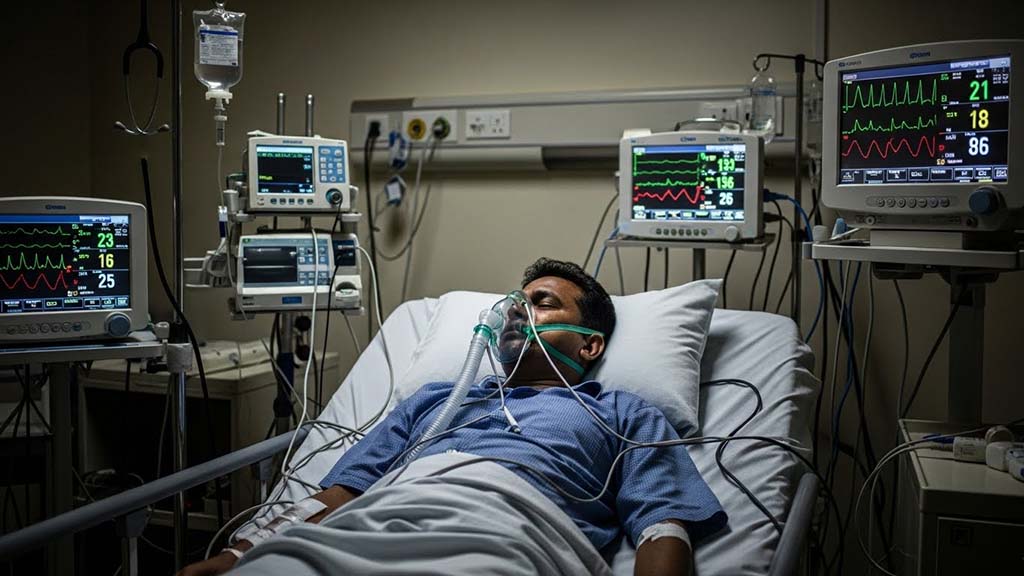
Coronavirus is a dangerous virus that spread around the world starting in 2020. It is called COVID-19. This disease infected millions of people globally. The virus spreads through respiratory droplets when infected people cough or sneeze. Many people became sick with fever, cough, and breathing problems.
The pandemic caused many difficulties. Schools, shops, and offices were closed to stop the spread. People had to stay at home, which was called lockdown. Many people suffered from isolation and loneliness. Healthcare workers worked tirelessly to help patients. Some people died from this illness. The economy was damaged because businesses had to shut down.
However, scientists worked quickly to create vaccines. Vaccination helped protect people from severe illness. People started wearing masks and practising hygiene like washing hands and maintaining social distance. Bangladesh also struggled with the pandemic, but our people showed courage and unity.
Gradually, the situation improved as more people got vaccinated. Life slowly returned to normal. We learned important lessons about health, cleanliness, and community support. The COVID-19 experience taught us to be prepared for future challenges. We must respect healthcare professionals who risked their lives to save others.
Key Vocabulary:
| English Word | Bangla Meaning |
|---|---|
| Coronavirus | করোনাভাইরাস |
| dangerous virus | বিপজ্জনক ভাইরাস |
| COVID-19 | কোভিড-১৯ |
| disease | রোগ |
| infected | সংক্রমিত |
| spreads | ছড়িয়ে পড়ে |
| respiratory droplets | শ্বাসযন্ত্রের ফোঁটা |
| cough | কাশি |
| sneeze | হাঁচি |
| sick | অসুস্থ |
| fever | জ্বর |
| breathing problems | শ্বাসকষ্ট |
| pandemic | মহামারী |
| difficulties | কঠিনতা |
| closed | বন্ধ |
| lockdown | লকডাউন |
| suffered | কষ্ট পেয়েছে |
| isolation | একাকীত্ব |
| loneliness | নিঃসঙ্গতা |
| healthcare workers | স্বাস্থ্যসেবা কর্মী |
| tirelessly | নিরলসভাবে |
| patients | রোগী |
| illness | অসুস্থতা |
| economy | অর্থনীতি |
| damaged | ক্ষতিগ্রস্ত |
| shut down | বন্ধ করা |
| vaccines | টিকা |
| vaccination | টিকাকরণ |
| protect | রক্ষা করা |
| severe | গুরুতর |
| masks | মুখোশ |
| practising | অনুশীলন করা |
| hygiene | স্বাস্থ্যবিধি |
| hands | হাত |
| maintaining | বজায় রাখা |
| social distance | সামাজিক দূরত্ব |
| struggled | সংগ্রাম করেছে |
| courage | সাহস |
| unity | ঐক্য |
| improved | উন্নত |
| vaccinated | টিকাকৃত |
| normal | স্বাভাবিক |
| lessons | পাঠ |
| health | স্বাস্থ্য |
| cleanliness | পরিচ্ছন্নতা |
| community support | সম্প্রদায়ের সহায়তা |
| experience | অভিজ্ঞতা |
| prepared | প্রস্তুত |
| future challenges | ভবিষ্যতের চ্যালেঞ্জ |
| respect | সম্মান করা |
| professionals | পেশাদার |
| risked | ঝুঁকিতে ফেলেছে |
| lives | জীবন |
Coronavirus, also known as COVID-19, emerged in late 2019 in China and rapidly spread to become a global pandemic. This infectious disease is caused by a virus that transmits between humans through respiratory droplets. When infected individuals cough, sneeze, or speak, the virus spreads to others, causing widespread infection across the world.
The pandemic had devastating effects on human life and society. Healthcare systems became overwhelmed with critically ill patients. Schools and universities closed, affecting millions of students. Businesses collapsed, causing economic recession and unemployment. People experienced severe psychological stress from confinement, quarantine, and fear of infection. Millions of people died from COVID-19 complications.
However, the world responded with remarkable resilience. Scientists worked at unprecedented speed to develop vaccines that provide immunity against the virus. Healthcare workers showed extraordinary dedication, working continuously in dangerous conditions to treat patients. Governments implemented preventative measures including mask-wearing, hand sanitisation, and lockdowns.
Bangladesh faced significant challenges during the pandemic. Our healthcare infrastructure was strained by the large number of cases. Many businesses and factories suffered economic loss. Schools were closed for extended periods, affecting students’ education. However, our people demonstrated unity and determination to overcome this crisis.
Recovery began as vaccination campaigns expanded globally. More people received vaccines, building collective immunity. Life gradually returned to normalcy, though society adapted to new realities. Remote work and online education became normalised.
The COVID-19 pandemic taught us vital lessons. We learned the importance of public health, hygiene practices, and community cooperation. The experience showed how connected our world is and how diseases can spread rapidly. We must invest in health systems, research, and preparedness for future pandemics. The pandemic reminded us that our collective wellbeing depends on mutual support and scientific advancement.
Key Vocabulary:
| English Word | Bangla Meaning |
|---|---|
| Coronavirus | করোনাভাইরাস |
| COVID-19 | কোভিড-১৯ |
| emerged | উদ্ভূত হয়েছে |
| global pandemic | বৈশ্বিক মহামারী |
| infectious disease | সংক্রামক রোগ |
| virus | ভাইরাস |
| transmits | প্রেরণ করে |
| respiratory droplets | শ্বাসযন্ত্রের ফোঁটা |
| infected | সংক্রমিত |
| cough | কাশি |
| sneeze | হাঁচি |
| speak | কথা বলা |
| spreads | ছড়িয়ে পড়ে |
| widespread infection | ব্যাপক সংক্রমণ |
| devastating effects | ধ্বংসাত্মক প্রভাব |
| healthcare systems | স্বাস্থ্যসেবা ব্যবস্থা |
| overwhelmed | অভিভূত |
| critically ill | গুরুতরভাবে অসুস্থ |
| patients | রোগী |
| closed | বন্ধ |
| universities | বিশ্ববিদ্যালয় |
| students | শিক্ষার্থী |
| businesses | ব্যবসা |
| collapsed | ভেঙে পড়ে |
| economic recession | অর্থনৈতিক মন্দা |
| unemployment | বেকারত্ব |
| psychological stress | মনোবৈজ্ঞানিক চাপ |
| confinement | সীমাবদ্ধতা |
| quarantine | কোয়ারেন্টাইন |
| fear | ভয় |
| infection | সংক্রমণ |
| died | মৃত্যু হয়েছে |
| complications | জটিলতা |
| responded | প্রতিক্রিয়া জানিয়েছে |
| remarkable resilience | উল্লেখযোগ্য স্থিতিস্থাপকতা |
| unprecedented speed | অভূতপূর্ব গতি |
| vaccines | টিকা |
| immunity | রোগ প্রতিরোধ ক্ষমতা |
| healthcare workers | স্বাস্থ্যসেবা কর্মী |
| extraordinary dedication | অসাধারণ নিষ্ঠা |
| continuously | ক্রমাগত |
| dangerous conditions | বিপজ্জনক পরিস্থিতি |
| implemented | বাস্তবায়ন করেছে |
| preventative measures | প্রতিরোধমূলক ব্যবস্থা |
| mask-wearing | মুখোশ পরা |
| hand sanitisation | হাত জীবাণুনাশক |
| lockdowns | লকডাউন |
| significant challenges | উল্লেখযোগ্য চ্যালেঞ্জ |
| infrastructure | অবকাঠামো |
| strained | চাপে পড়া |
| cases | কেস |
| economic loss | অর্থনৈতিক ক্ষতি |
| extended periods | বর্ধিত সময়কাল |
| education | শিক্ষা |
| unity | ঐক্য |
| determination | সংকল্প |
| overcome | অতিক্রম করা |
| crisis | সংকট |
| recovery | পুনরুদ্ধার |
| campaigns | প্রচারাভিযান |
| expanded | সম্প্রসারিত |
| collective immunity | সমষ্টিগত রোগ প্রতিরোধ ক্ষমতা |
| returned | ফিরে এসেছে |
| normalcy | স্বাভাবিকতা |
| adapted | অভিযোজিত |
| remote work | দূরবর্তী কাজ |
| online education | অনলাইন শিক্ষা |
| normalised | স্বাভাবিকীকৃত |
| vital lessons | গুরুত্বপূর্ণ পাঠ |
| importance | গুরুত্ব |
| public health | জনস্বাস্থ্য |
| hygiene practices | স্বাস্থ্যবিধি অনুশীলন |
| cooperation | সহযোগিতা |
| connected | সংযুক্ত |
| diseases | রোগ |
| rapidly | দ্রুত |
| invest | বিনিয়োগ করা |
| health systems | স্বাস্থ্য ব্যবস্থা |
| research | গবেষণা |
| preparedness | প্রস্তুতি |
| future pandemics | ভবিষ্যত মহামারী |
| collective wellbeing | সমষ্টিগত সুস্থতা |
| mutual support | পারস্পরিক সহায়তা |
| scientific advancement | বৈজ্ঞানিক অগ্রগতি |
The Coronavirus Disease 2019 (COVID-19) emerged in Wuhan, China, in December 2019 and rapidly escalated into a catastrophic global pandemic. This highly contagious infectious disease is caused by the SARS-CoV-2 virus, which spreads via respiratory aerosols when infected individuals breathe, speak, cough, or sneeze. The pandemic profoundly impacted human civilisation, causing unprecedented disruption across economic, social, and healthcare domains.
The pandemic’s impact was multifaceted and devastating. Millions of people contracted the virus, with hundreds of thousands experiencing fatal complications including pneumonia, respiratory failure, and thrombosis. Hospitals became overwhelmed, forcing healthcare systems to implement emergency protocols and triage procedures. The global economy contracted sharply, with unemployment reaching historic levels. Entire industries collapsed, particularly tourism, aviation, and hospitality sectors.
Psychological and social consequences were equally severe. Lockdowns and social distancing requirements caused widespread depression, anxiety, and isolation. Schools transitioned to online platforms, disrupting students’ education and social development. Mental health crises escalated among vulnerable populations, including the elderly and economically disadvantaged.
However, humanity demonstrated remarkable resilience. Scientists achieved an unprecedented breakthrough, developing highly effective vaccines in record time through mRNA technology. Pharmaceutical companies and research institutions collaborated globally to accelerate vaccine production and distribution. Healthcare professionals showed extraordinary courage, working relentlessly in hazardous conditions to treat critically ill patients.
Bangladesh experienced significant hardship during the pandemic. Our healthcare infrastructure, already under-resourced, faced overwhelming pressure from surging cases. The garment industry, crucial to our economy, suffered substantial losses due to export reductions. Millions of migrant workers became unemployed, triggering economic hardship. However, our government implemented preventative measures, including mask mandates, curfews, and vaccination drives.
Gradually, with increasing vaccination rates, the acute phase of the pandemic subsided. Life slowly normalised, though society adapted to persistent changes including remote work and telemedicine. The COVID-19 crisis demonstrated our world’s vulnerability to biological threats and the importance of global health cooperation. We must strengthen our public health systems, invest in pandemic preparedness, and nurture scientific research to prevent future catastrophes and ensure global health security.
Key Vocabulary:
| English Word | Bangla Meaning |
|---|---|
| Coronavirus Disease | করোনাভাইরাস রোগ |
| COVID-19 | কোভিড-১৯ |
| emerged | উদ্ভূত হয়েছে |
| escalated | বৃদ্ধি পেয়েছে |
| catastrophic | বিপর্যয়কর |
| pandemic | মহামারী |
| contagious | সংক্রামক |
| infectious disease | সংক্রামক রোগ |
| caused | কারণ হয়েছে |
| SARS-CoV-2 virus | সার্স-কোভ-২ ভাইরাস |
| spreads | ছড়িয়ে পড়ে |
| respiratory aerosols | শ্বাসযন্ত্রের এরোসল |
| infected | সংক্রমিত |
| breathe | শ্বাস নেওয়া |
| speak | কথা বলা |
| cough | কাশি |
| sneeze | হাঁচি |
| impacted | প্রভাব ফেলেছে |
| civilisation | সভ্যতা |
| disruption | ব্যাঘাত |
| economic | অর্থনৈতিক |
| social | সামাজিক |
| healthcare domains | স্বাস্থ্যসেবা ক্ষেত্র |
| multifaceted | বহুমুখী |
| devastating | ধ্বংসাত্মক |
| contracted | সংক্রামিত হয়েছে |
| fatal complications | মারাত্মক জটিলতা |
| pneumonia | নিউমোনিয়া |
| respiratory failure | শ্বাসযন্ত্রের ব্যর্থতা |
| thrombosis | রক্ত জমাট |
| hospitals | হাসপাতাল |
| overwhelmed | অভিভূত |
| emergency protocols | জরুরি প্রোটোকল |
| triage procedures | ট্রায়েজ পদ্ধতি |
| global economy | বৈশ্বিক অর্থনীতি |
| contracted | সংকুচিত |
| unemployment | বেকারত্ব |
| historic levels | ঐতিহাসিক স্তর |
| entire industries | সম্পূর্ণ শিল্প |
| collapsed | ভেঙে পড়েছে |
| tourism | পর্যটন |
| aviation | বিমান পরিবহন |
| hospitality sectors | আতিথেয়তা খাত |
| psychological | মনোবৈজ্ঞানিক |
| consequences | ফলাফল |
| severe | গুরুতর |
| lockdowns | লকডাউন |
| social distancing | সামাজিক দূরত্ব |
| widespread | ব্যাপক |
| depression | বিষণ্নতা |
| anxiety | উদ্বেগ |
| isolation | একাকীত্ব |
| transitioned | রূপান্তরিত |
| online platforms | অনলাইন প্ল্যাটফর্ম |
| disrupting | বাধা দিচ্ছে |
| education | শিক্ষা |
| social development | সামাজিক উন্নয়ন |
| mental health crises | মানসিক স্বাস্থ্য সংকট |
| vulnerable populations | দুর্বল জনগোষ্ঠী |
| elderly | বয়স্ক |
| economically disadvantaged | অর্থনৈতিকভাবে সুবিধাবঞ্চিত |
| remarkable resilience | উল্লেখযোগ্য স্থিতিস্থাপকতা |
| breakthrough | অগ্রগতি |
| highly effective vaccines | অত্যন্ত কার্যকর টিকা |
| record time | রেকর্ড সময় |
| mRNA technology | এমআরএনএ প্রযুক্তি |
| pharmaceutical companies | ওষুধ কোম্পানি |
| research institutions | গবেষণা প্রতিষ্ঠান |
| collaborated | সহযোগিতা করেছে |
| globally | বিশ্বব্যাপী |
| accelerate | ত্বরান্বিত করা |
| vaccine production | টিকা উৎপাদন |
| distribution | বিতরণ |
| healthcare professionals | স্বাস্থ্যসেবা পেশাদার |
| extraordinary courage | অসাধারণ সাহস |
| relentlessly | নিরলসভাবে |
| hazardous conditions | বিপজ্জনক পরিস্থিতি |
| critically ill | গুরুতরভাবে অসুস্থ |
| experienced | অভিজ্ঞতা অর্জন করেছে |
| hardship | কঠিনতা |
| under-resourced | সম্পদহীন |
| overwhelming pressure | অত্যধিক চাপ |
| surging cases | ক্রমবর্ধমান কেস |
| garment industry | পোশাক শিল্প |
| crucial | গুরুত্বপূর্ণ |
| substantial losses | উল্লেখযোগ্য ক্ষতি |
| export reductions | রপ্তানি হ্রাস |
| migrant workers | অভিবাসী শ্রমিক |
| unemployed | বেকার |
| triggering | ট্রিগার করা |
| economic hardship | অর্থনৈতিক কষ্ট |
| government | সরকার |
| preventative measures | প্রতিরোধমূলক ব্যবস্থা |
| mask mandates | মুখোশ বাধ্যতামূলক |
| curfews | কারফিউ |
| vaccination drives | টিকাকরণ প্রচারাভিযান |
| vaccination rates | টিকাকরণের হার |
| acute phase | তীব্র পর্যায় |
| subsided | হ্রাস পেয়েছে |
| normalised | স্বাভাবিকীকৃত |
| persistent changes | স্থায়ী পরিবর্তন |
| remote work | দূরবর্তী কাজ |
| telemedicine | দূরবর্তী চিকিৎসা |
| crisis | সংকট |
| vulnerability | দুর্বলতা |
| biological threats | জৈব হুমকি |
| global health cooperation | বৈশ্বিক স্বাস্থ্য সহযোগিতা |
| strengthen | শক্তিশালী করা |
| public health systems | জনস্বাস্থ্য ব্যবস্থা |
| invest | বিনিয়োগ করা |
| pandemic preparedness | মহামারী প্রস্তুতি |
| nurture | লালন করা |
| prevent | প্রতিরোধ করা |
| future catastrophes | ভবিষ্যত বিপর্যয় |
| global health security | বৈশ্বিক স্বাস্থ্য নিরাপত্তা |
The Coronavirus Disease 2019 (COVID-19) precipitated an unprecedented global health crisis commencing in Wuhan, China, in December 2019. The aetiological agent, SARS-CoV-2 virus, transmits via respiratory aerosols, causing rapid viral dissemination across populations. This pandemic constituted the most consequential public health emergency since the influenza pandemic of 1918, fundamentally disrupting the socio-economic fabric of global civilisation.
The pandemic’s multifaceted ramifications encompassed catastrophic consequences across dimensional scales. Epidemiological data revealed millions of confirmed infections, with significant mortality rates particularly among immunocompromised and geriatric populations. Pathophysiological complications included acute respiratory distress syndrome (ARDS), myocardial infarction, thromboembolic phenomena, and multi-organ dysfunction. Healthcare infrastructure globally became overwhelmed, necessitating emergency protocols, resource rationing, and moral dilemmas regarding triage allocation.
Macroeconomic consequences proved severe and prolonged. The global GDP contracted sharply, with sectoral recessions affecting tourism, aviation, hospitality, and retail commerce. Supply chain disruptions precipitated inflationary pressures and commodity volatility. Occupational displacement reached unprecedented levels, with millions facing unemployment and financial precarity. Developing economies, including Bangladesh, experienced disproportionate vulnerability due to structural economic dependence on export-oriented industries, particularly garment manufacturing and remittance flows.
Psychological and sociological impacts manifested through widespread anxiety, depression, post-traumatic stress disorder, and existential destabilisation. Educational disruption through remote learning exacerbated socioeconomic inequality, disadvantaging vulnerable populations lacking digital infrastructure. Social atomisation resulted from quarantine mandates and physical distancing protocols.
Nevertheless, the crisis catalysed remarkable scientific innovation. mRNA-based vaccine technology, previously theoretical, achieved expedited clinical realisation through international collaboration and regulatory streamlining. Pharmaceutical corporations and research consortiums mobilised unprecedented resources toward vaccine development and distribution, achieving mass immunisation campaigns in record timeframes. Healthcare personnel demonstrated extraordinary altruism, working relentlessly in biosafety-compromised environments.
Bangladesh confronted acute systemic challenges. The healthcare system, already resource-constrained, experienced overwhelming patient surges. The garment sector, generating 13% of GDP and employing 4 million workers, sustained substantial economic losses from export cancellations. Approximately 2 million overseas workers faced repatriation and unemployment, exacerbating economic distress and remittance dependency crises. However, coordinated governmental interventions, including mask distribution, rapid testing, and mass vaccination campaigns, mitigated catastrophic outcomes.
Progressively, enhanced vaccination coverage and epidemiological adaptation facilitated pandemic deceleration. Societies transitioned to endemic phases, institutionalising hybrid operational models combining in-person and remote modalities. The COVID-19 experience illuminated systemic vulnerabilities in global health preparedness, equity disparities, and interdependence complexity. Moving forward, strategic investments in robust health infrastructure, equitable vaccine access, epidemiological surveillance systems, and international pandemic response frameworks remain imperative for **mitigating future biosecurity threats and ensuring universal health coverage.
Key Vocabulary:
| English Word | Bangla Meaning |
|---|---|
| Coronavirus Disease | করোনাভাইরাস রোগ |
| COVID-19 | কোভিড-১৯ |
| precipitated | সূচিত করেছে |
| global health crisis | বৈশ্বিক স্বাস্থ্য সংকট |
| aetiological agent | রোগের কারণ |
| SARS-CoV-2 virus | সার্স-কোভ-২ ভাইরাস |
| transmits | প্রেরণ করে |
| respiratory aerosols | শ্বাসযন্ত্রের এরোসল |
| viral dissemination | ভাইরাল ছড়িয়ে পড়া |
| populations | জনগোষ্ঠী |
| consequential | গুরুত্বপূর্ণ |
| public health emergency | জনস্বাস্থ্য জরুরি অবস্থা |
| fundamentally disrupting | মৌলিকভাবে বাধাগ্রস্ত করা |
| socio-economic fabric | সামাজিক-অর্থনৈতিক কাঠামো |
| civilisation | সভ্যতা |
| multifaceted ramifications | বহুমুখী পরিণতি |
| catastrophic | বিপর্যয়কর |
| dimensional scales | মাত্রার স্কেল |
| epidemiological data | মহামারী সংক্রান্ত তথ্য |
| infections | সংক্রমণ |
| mortality rates | মৃত্যুর হার |
| immunocompromised | দুর্বল রোগ প্রতিরোধ ক্ষমতা |
| geriatric populations | বয়স্ক জনগোষ্ঠী |
| pathophysiological complications | রোগ-শারীরবৈজ্ঞানিক জটিলতা |
| acute respiratory distress syndrome | তীব্র শ্বাসযন্ত্রের সংকট |
| ARDS | এআরডিএস |
| myocardial infarction | হৃদয় আক্রমণ |
| thromboembolic phenomena | রক্ত জমাট সংক্রান্ত ঘটনা |
| multi-organ dysfunction | বহু-অঙ্গ কর্মহীনতা |
| overwhelmed | অভিভূত |
| emergency protocols | জরুরি প্রোটোকল |
| resource rationing | সম্পদ নির্ধারণ |
| moral dilemmas | নৈতিক দ্বিধা |
| triage allocation | ট্রায়েজ বরাদ্দ |
| macroeconomic | স্থূলঅর্থনৈতিক |
| severe | গুরুতর |
| prolonged | দীর্ঘায়িত |
| global GDP | বৈশ্বিক জিডিপি |
| sectoral recessions | খাত সংক্রান্ত মন্দা |
| supply chain disruptions | সরবরাহ শৃঙ্খল ব্যাঘাত |
| inflationary pressures | মুদ্রাস্ফীতি চাপ |
| commodity volatility | পণ্য অস্থিরতা |
| occupational displacement | পেশাগত স্থানচলন |
| unemployment | বেকারত্ব |
| financial precarity | আর্থিক অনিশ্চয়তা |
| developing economies | উন্নয়নশীল অর্থনীতি |
| disproportionate vulnerability | অসমান দুর্বলতা |
| structural economic dependence | কাঠামোগত অর্থনৈতিক নির্ভরতা |
| export-oriented industries | রপ্তানিমুখী শিল্প |
| garment manufacturing | পোশাক উৎপাদন |
| remittance flows | অর্থ প্রেরণ প্রবাহ |
| psychological | মনোবৈজ্ঞানিক |
| sociological impacts | সমাজতাত্ত্বিক প্রভাব |
| widespread anxiety | ব্যাপক উদ্বেগ |
| depression | বিষণ্নতা |
| post-traumatic stress disorder | পরবর্তী আঘাত মানসিক চাপ ব্যাধি |
| existential destabilisation | অস্তিত্বগত অস্থিরতা |
| educational disruption | শিক্ষাগত ব্যাঘাত |
| remote learning | দূরবর্তী শিক্ষা |
| exacerbated | বৃদ্ধি পেয়েছে |
| socioeconomic inequality | সামাজিক-অর্থনৈতিক বৈষম্য |
| vulnerable populations | দুর্বল জনগোষ্ঠী |
| digital infrastructure | ডিজিটাল অবকাঠামো |
| social atomisation | সামাজিক বিচ্ছিন্নতা |
| quarantine mandates | কোয়ারেন্টাইন বাধ্যবাধকতা |
| physical distancing protocols | শারীরিক দূরত্ব প্রোটোকল |
| catalysed | অনুঘটক হিসাবে কাজ করেছে |
| remarkable innovation | উল্লেখযোগ্য উদ্ভাবন |
| mRNA-based vaccine technology | এমআরএনএ ভিত্তিক টিকা প্রযুক্তি |
| theoretical | তাত্ত্বিক |
| expedited clinical realisation | দ্রুত ক্লিনিকাল বাস্তবায়ন |
| international collaboration | আন্তর্জাতিক সহযোগিতা |
| regulatory streamlining | নিয়ন্ত্রক সুবিন্যস্তকরণ |
| pharmaceutical corporations | ওষুধ কর্পোরেশন |
| research consortiums | গবেষণা সংগঠন |
| mobilised | সংগঠিত করেছে |
| unprecedented resources | অভূতপূর্ব সম্পদ |
| vaccine development | টিকা উন্নয়ন |
| mass immunisation campaigns | ব্যাপক টিকাকরণ প্রচারাভিযান |
| record timeframes | রেকর্ড সময়কাল |
| healthcare personnel | স্বাস্থ্যসেবা কর্মী |
| extraordinary altruism | অসাধারণ নিঃস্বার্থতা |
| relentlessly | নিরলসভাবে |
| biosafety-compromised environments | জৈব নিরাপত্তা ঝুঁকিপূর্ণ পরিবেশ |
| acute systemic challenges | তীব্র সিস্টেমিক চ্যালেঞ্জ |
| resource-constrained | সম্পদ সীমিত |
| patient surges | রোগী বৃদ্ধি |
| sector | খাত |
| GDP | গ্রস ডোমেস্টিক প্রোডাক্ট |
| workers | শ্রমিক |
| export cancellations | রপ্তানি বাতিলকরণ |
| overseas workers | বিদেশী শ্রমিক |
| repatriation | প্রত্যাবর্তন |
| exacerbating | বৃদ্ধি করছে |
| remittance dependency | অর্থ প্রেরণ নির্ভরতা |
| governmental interventions | সরকারী হস্তক্ষেপ |
| mask distribution | মুখোশ বিতরণ |
| rapid testing | দ্রুত পরীক্ষা |
| mass vaccination campaigns | ব্যাপক টিকাকরণ প্রচারাভিযান |
| mitigated | হ্রাস করেছে |
| catastrophic outcomes | বিপর্যয়কর ফলাফল |
| progressively | ক্রমান্বয়ে |
| vaccination coverage | টিকাকরণ কভারেজ |
| epidemiological adaptation | মহামারী সংক্রান্ত অভিযোজন |
| facilitated | সহজতর করেছে |
| pandemic deceleration | মহামারী মন্থন |
| transitioned | রূপান্তরিত হয়েছে |
| endemic phases | স্থানীয় পর্যায় |
| institutionalising | প্রতিষ্ঠানীকরণ করা |
| hybrid operational models | সংকর পরিচালনা মডেল |
| in-person | ব্যক্তিগত |
| remote modalities | দূরবর্তী পদ্ধতি |
| illuminated | আলোকিত করেছে |
| systemic vulnerabilities | সিস্টেমিক দুর্বলতা |
| equity disparities | ন্যায্যতা বৈষম্য |
| interdependence complexity | পারস্পরিক নির্ভরতা জটিলতা |
| strategic investments | কৌশলগত বিনিয়োগ |
| robust health infrastructure | শক্তিশালী স্বাস্থ্য অবকাঠামো |
| equitable vaccine access | ন্যায্য টিকা প্রবেশাধিকার |
| epidemiological surveillance systems | মহামারী সংক্রান্ত পর্যবেক্ষণ ব্যবস্থা |
| international pandemic response frameworks | আন্তর্জাতিক মহামারী প্রতিক্রিয়া কাঠামো |
| imperative | জরুরি |
| mitigating | হ্রাস করা |
| biosecurity threats | জৈব নিরাপত্তা হুমকি |
| universal health coverage | সর্বজনীন স্বাস্থ্য কভারেজ |
Q1: What is COVID-19 and how does it spread? Answer: COVID-19 is a disease caused by the SARS-CoV-2 virus that spreads through respiratory droplets when infected people cough, sneeze, speak, or breathe near others.
Q2: What were the major symptoms of COVID-19? Answer: Common symptoms include fever, dry cough, loss of taste/smell, fatigue, difficulty breathing, and in severe cases, pneumonia and respiratory failure.
Q3: How did the pandemic impact Bangladesh’s economy? Answer: Bangladesh’s garment industry, remittances, and tourism sector suffered significantly due to lockdowns, export cancellations, and unemployment of overseas workers, affecting about 13% of GDP.
Q4: What role did vaccines play in controlling the pandemic? Answer: Vaccines developed using mRNA technology provided immunity against the virus, enabling mass immunisation campaigns that reduced infection rates and severe illness globally.
Q5: Name three preventative measures taken to control COVID-19 spread. Answer: Mask-wearing, social distancing, hand sanitisation, lockdowns, quarantine, testing, and vaccination were major preventative measures implemented by governments.
Q6: How did COVID-19 affect education worldwide? Answer: Schools closed and transitioned to remote learning, disrupting students’ education, particularly affecting disadvantaged populations lacking digital infrastructure and causing social development issues.
Q7: What were the psychological effects of the pandemic on people? Answer: People experienced widespread anxiety, depression, post-traumatic stress, social isolation, existential destabilisation, and mental health crises, particularly among vulnerable populations.
Q8: What healthcare challenges did hospitals face during the pandemic? Answer: Hospitals became overwhelmed with critically ill patients, experienced resource shortages, implemented emergency triage procedures, and faced moral dilemmas about patient allocation.
Q9: How did scientists achieve rapid vaccine development? Answer: International collaboration, regulatory streamlining, pharmaceutical corporations mobilising resources, and using mRNA technology enabled record-breaking vaccine development and clinical trials.
Q10: What lessons should we learn from the COVID-19 pandemic? Answer: Invest in robust health systems, pandemic preparedness, international cooperation, equitable vaccine access, epidemiological surveillance, and address systemic inequalities to prevent future health crises.