




A Day Labourer Paragraph for Class 6/7 (150 words)
A day labourer is a person who works hard every day to earn his living. He does not have any permanent job. He gets paid for the work he does each day. Most day labourers in Bangladesh are very poor people. They live in small houses or slums. A day labourer wakes up very early in the morning and goes to different places looking for work. He may work at construction sites, roads, fields, or carry heavy things. His work is very hard and tiring. He earns very little money, which is just enough to buy food for his family. If he cannot find work on any day, his family goes hungry. He has no savings for bad times. Day labourers face many problems like illness, unemployment, and poverty. Despite all these difficulties, they work honestly to support their families. We should respect them for their hard work.
Key Vocabulary:
| English Word | Bangla Meaning |
|---|---|
| day | দিন |
| labourer | শ্রমিক |
| living | জীবিকা |
| permanent | স্থায়ী |
| job | চাকরি |
| labourers | শ্রমিকরা |
| poor | গরীব |
| small | ছোট |
| houses | বাড়ি |
| slums | বস্তি |
| early | সকাল |
| work | কাজ |
| construction | নির্মাণ |
| sites | স্থান |
| roads | রাস্তা |
| fields | মাঠ |
| hard | কঠিন |
| tiring | ক্লান্তিকর |
| little | সামান্য |
| money | টাকা |
| food | খাবার |
| family | পরিবার |
| hungry | ক্ষুধার্ত |
| savings | সঞ্চয় |
| problems | সমস্যা |
| illness | অসুস্থতা |
| unemployment | বেকারত্ব |
| poverty | দারিদ্র্য |
| difficulties | কষ্ট |
| honestly | সৎভাবে |
| respect | সম্মান করা |
A Day Labourer Paragraph for Class 7/8 (250 words)
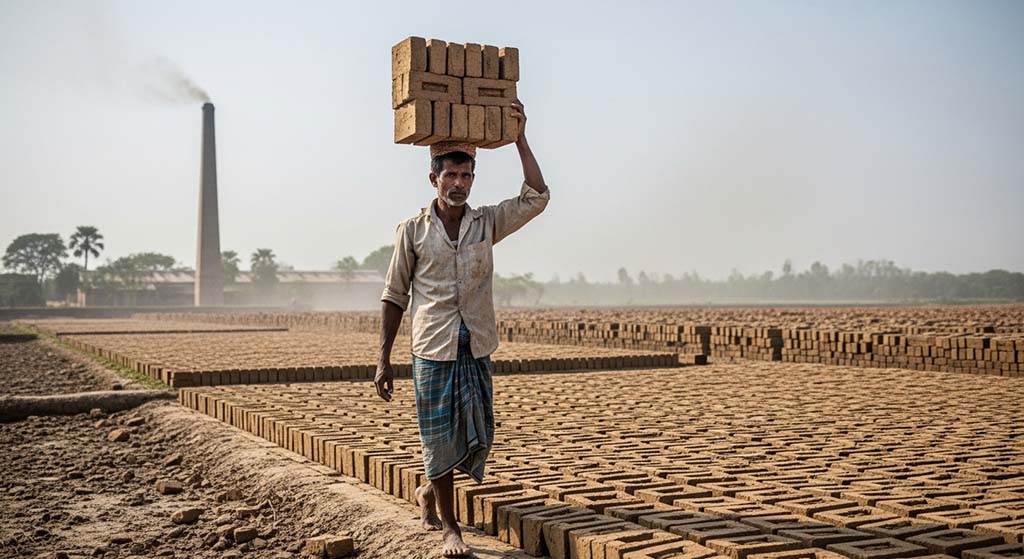
A day labourer is a working person who earns his living by doing manual labor on a daily basis. He does not have a regular or permanent job and must find new work every day. Day labourers are an important part of our society, especially in Bangladesh where millions of people depend on daily wages to survive. Most day labourers come from very poor families and have little or no education. They live in slums or small huts in villages. A day labourer’s life is full of struggle and hardship. He wakes up very early in the morning, often before sunrise, and goes to markets or gathering places where employers come to hire workers. He may have to wait for hours to get work. When he finds work, he does various types of jobs such as carrying loads, digging earth, breaking bricks, working at construction sites, helping farmers in fields, or pulling rickshaws. All his work requires great physical strength and effort. A day labourer usually earns between 300 to 500 taka per day, which is barely enough to support his family. He must buy food, pay rent, and take care of his children’s basic needs with this small income. The biggest problem for a day labourer is uncertainty. If he falls sick or cannot find work, his family suffers from hunger. He has no savings, no insurance, and no security for the future. During the rainy season or bad weather, work becomes even more difficult to find. Day labourers also face exploitation by employers who sometimes pay them less than agreed. Despite all these challenges, day labourers work with dignity and honesty. They contribute greatly to building our nation through their labor. We should respect their work and help improve their living conditions.
Key Vocabulary:
| English Word | Bangla Meaning |
|---|---|
| day | দিন |
| labourer | শ্রমিক |
| working | কর্মরত |
| living | জীবিকা |
| manual | কায়িক |
| labor | শ্রম |
| basis | ভিত্তি |
| regular | নিয়মিত |
| permanent | স্থায়ী |
| job | চাকরি |
| labourers | শ্রমিকরা |
| important | গুরুত্বপূর্ণ |
| society | সমাজ |
| wages | মজুরি |
| poor | দরিদ্র |
| families | পরিবার |
| little | সামান্য |
| education | শিক্ষা |
| slums | বস্তি |
| small | ছোট |
| huts | কুঁড়েঘর |
| villages | গ্রাম |
| struggle | সংগ্রাম |
| hardship | কষ্ট |
| early | ভোরে |
| sunrise | সূর্যোদয় |
| markets | বাজার |
| gathering | জমায়েত |
| employers | নিয়োগকর্তা |
| hours | ঘণ্টা |
| jobs | কাজ |
| carrying | বহন করা |
| digging | খনন করা |
| earth | মাটি |
| breaking | ভাঙা |
| bricks | ইট |
| construction | নির্মাণ |
| sites | স্থান |
| farmers | কৃষক |
| fields | মাঠ |
| rickshaws | রিকশা |
| physical | শারীরিক |
| strength | শক্তি |
| effort | প্রচেষ্টা |
| support | সমর্থন করা |
| food | খাবার |
| rent | ভাড়া |
| basic | মৌলিক |
| needs | চাহিদা |
| income | আয় |
| problem | সমস্যা |
| uncertainty | অনিশ্চয়তা |
| hunger | ক্ষুধা |
| savings | সঞ্চয় |
| insurance | বীমা |
| security | নিরাপত্তা |
| future | ভবিষ্যৎ |
| rainy | বর্ষা |
| season | মৌসুম |
| weather | আবহাওয়া |
| difficult | কঠিন |
| exploitation | শোষণ |
| less | কম |
| challenges | চ্যালেঞ্জ |
| dignity | মর্যাদা |
| honesty | সততা |
| nation | জাতি |
| respect | সম্মান করা |
| improve | উন্নত করা |
| conditions | অবস্থা |
A Day Labourer Paragraph for SSC Level (350 words)
A day labourer is an unskilled or semi-skilled worker who earns his livelihood by selling his physical labor on a daily wage basis. In Bangladesh, day labourers form a significant portion of the workforce, playing a crucial role in the economy despite living in extreme poverty and facing numerous challenges. They are the backbone of many industries including construction, agriculture, transportation, and various other sectors that require manual work. The life of a day labourer is marked by constant struggle and uncertainty. Most day labourers come from rural areas or live in urban slums where living conditions are very poor. They typically have little or no formal education, which limits their employment opportunities to manual labor. Their day begins before dawn when they leave their homes in search of work. They gather at specific places like markets, street corners, or construction sites where employers come to hire workers. Often, they must compete with many others for limited job opportunities, and there is no guarantee they will find work every day. The nature of work performed by day labourers is diverse and physically demanding. They work as masons, helpers at construction sites, earth diggers, brick breakers, load carriers, rickshaw pullers, agricultural workers during planting and harvesting seasons, and in many other capacities. The work is often hazardous, with minimal safety measures, exposing them to accidents and injuries. Despite working in harsh conditions for long hours, often from sunrise to sunset, their earnings remain meager. A typical day labourer in Bangladesh earns between 300 to 600 taka per day, depending on the location and type of work. This income is barely sufficient to meet the basic needs of their families. The economic vulnerability of day labourers is profound. They have no fixed income, no employment benefits, no health insurance, and no retirement savings. If they fall ill or get injured, they not only lose their daily wages but also face medical expenses they cannot afford. During the monsoon season, when outdoor work becomes scarce, or during economic downturns, their situation becomes even more desperate. Many day labourers live hand-to-mouth, unable to save any money for emergencies. Their children often cannot attend school regularly because they must help earn money or because the family cannot afford educational expenses. This perpetuates a cycle of poverty across generations. Day labourers also face social discrimination and exploitation. Employers sometimes pay them less than the agreed wage or make them work extra hours without additional payment. They have little legal protection or bargaining power to demand fair treatment. To improve the situation of day labourers, we need comprehensive social welfare programs. The government should ensure minimum wage standards, provide health insurance, create skill development opportunities, and establish safety regulations at workplaces. NGOs and social organizations can play a role in providing education for their children and awareness about their rights. In conclusion, day labourers are essential contributors to our society and economy. Despite facing immense hardships, they work with honesty and dignity. It is our responsibility as citizens to respect their labor, ensure they receive fair wages, and work toward creating better opportunities and living conditions for them and their families. Their welfare should be a priority for any progressive society.
Key Vocabulary:
| English Word | Bangla Meaning |
|---|---|
| day | দিন |
| labourer | শ্রমিক |
| unskilled | অদক্ষ |
| semi-skilled | আধা-দক্ষ |
| worker | কর্মী |
| livelihood | জীবিকা |
| physical | শারীরিক |
| labor | শ্রম |
| wage | মজুরি |
| basis | ভিত্তি |
| labourers | শ্রমিকরা |
| significant | উল্লেখযোগ্য |
| workforce | কর্মশক্তি |
| crucial | গুরুত্বপূর্ণ |
| economy | অর্থনীতি |
| extreme | চরম |
| poverty | দারিদ্র্য |
| numerous | অসংখ্য |
| challenges | চ্যালেঞ্জ |
| backbone | মেরুদণ্ড |
| industries | শিল্প |
| construction | নির্মাণ |
| agriculture | কৃষি |
| transportation | পরিবহন |
| sectors | খাত |
| manual | কায়িক |
| constant | নিয়মিত |
| struggle | সংগ্রাম |
| uncertainty | অনিশ্চয়তা |
| rural | গ্রামীণ |
| urban | শহুরে |
| slums | বস্তি |
| conditions | অবস্থা |
| poor | দরিদ্র |
| little | সামান্য |
| formal | আনুষ্ঠানিক |
| education | শিক্ষা |
| employment | কর্মসংস্থান |
| opportunities | সুযোগ |
| dawn | ভোর |
| homes | বাড়ি |
| markets | বাজার |
| street | রাস্তা |
| corners | কোণ |
| sites | স্থান |
| employers | নিয়োগকর্তা |
| hire | নিয়োগ দেওয়া |
| limited | সীমিত |
| guarantee | নিশ্চয়তা |
| nature | প্রকৃতি |
| diverse | বৈচিত্র্যময় |
| physically | শারীরিকভাবে |
| demanding | কঠিন |
| masons | রাজমিস্ত্রি |
| helpers | সাহায্যকারী |
| earth | মাটি |
| diggers | খননকারী |
| brick | ইট |
| breakers | ভাঙাকারী |
| load | বোঝা |
| carriers | বহনকারী |
| rickshaw | রিকশা |
| pullers | চালক |
| agricultural | কৃষি |
| planting | রোপণ |
| harvesting | ফসল কাটা |
| seasons | মৌসুম |
| capacities | ক্ষমতা |
| hazardous | বিপজ্জনক |
| minimal | ন্যূনতম |
| safety | নিরাপত্তা |
| measures | ব্যবস্থা |
| accidents | দুর্ঘটনা |
| injuries | আঘাত |
| harsh | কঠোর |
| hours | ঘণ্টা |
| earnings | আয় |
| meager | সামান্য |
| location | অবস্থান |
| income | আয় |
| sufficient | যথেষ্ট |
| basic | মৌলিক |
| needs | প্রয়োজন |
| families | পরিবার |
| economic | অর্থনৈতিক |
| vulnerability | দুর্বলতা |
| profound | গভীর |
| fixed | নির্দিষ্ট |
| benefits | সুবিধা |
| health | স্বাস্থ্য |
| insurance | বীমা |
| retirement | অবসর |
| savings | সঞ্চয় |
| ill | অসুস্থ |
| injured | আহত |
| daily | দৈনিক |
| wages | মজুরি |
| medical | চিকিৎসা |
| expenses | খরচ |
| afford | সামর্থ্য |
| monsoon | বর্ষা |
| season | মৌসুম |
| outdoor | বাইরের |
| scarce | দুর্লভ |
| downturns | মন্দা |
| situation | পরিস্থিতি |
| desperate | হতাশ |
| hand-to-mouth | হাতে-মুখে |
| money | টাকা |
| emergencies | জরুরী অবস্থা |
| school | বিদ্যালয় |
| regularly | নিয়মিতভাবে |
| family | পরিবার |
| educational | শিক্ষাগত |
| perpetuates | স্থায়ী করে |
| cycle | চক্র |
| generations | প্রজন্ম |
| social | সামাজিক |
| discrimination | বৈষম্য |
| exploitation | শোষণ |
| less | কম |
| agreed | সম্মত |
| extra | অতিরিক্ত |
| additional | অতিরিক্ত |
| payment | প্রদান |
| legal | আইনি |
| protection | সুরক্ষা |
| bargaining | দরকষাকষি |
| demand | দাবি করা |
| treatment | আচরণ |
| improve | উন্নত করা |
| comprehensive | ব্যাপক |
| welfare | কল্যাণ |
| programs | কার্যক্রম |
| government | সরকার |
| minimum | ন্যূনতম |
| standards | মান |
| skill | দক্ষতা |
| development | উন্নয়ন |
| regulations | নিয়মকানুন |
| workplaces | কর্মস্থল |
| NGOs | এনজিও |
| organizations | সংস্থা |
| awareness | সচেতনতা |
| rights | অধিকার |
| conclusion | উপসংহার |
| essential | অপরিহার্য |
| contributors | অবদানকারী |
| society | সমাজ |
| immense | বিশাল |
| hardships | কষ্ট |
| honesty | সততা |
| dignity | মর্যাদা |
| responsibility | দায়িত্ব |
| citizens | নাগরিক |
| respect | সম্মান |
| living | জীবনযাত্রা |
| priority | অগ্রাধিকার |
| progressive | প্রগতিশীল |
A Day Labourer Paragraph for HSC Level (450 words)
A day labourer represents one of the most vulnerable and marginalized segments of our socioeconomic structure, embodying the harsh realities of poverty, inequality, and economic insecurity that persist in developing nations like Bangladesh. These individuals, predominantly unskilled or semi-skilled workers, survive by selling their physical labor in informal markets where work is uncertain, wages are minimal, and social protection is virtually non-existent. Their existence is a testament to human resilience in the face of overwhelming adversity, yet it also highlights the systemic failures that perpetuate intergenerational poverty and deny basic human dignity to millions. The demographic profile of day labourers in Bangladesh reveals a population largely comprising individuals from impoverished rural backgrounds who have migrated to urban centers in search of survival opportunities. Most have received minimal formal education, with many being functionally illiterate, which severely restricts their employment options to manual labor. They typically reside in overcrowded slums or makeshift settlements where sanitation, clean water, and basic amenities are scarce. Their living spaces are often precarious, vulnerable to eviction, and lack legal tenure, adding another layer of insecurity to their already fragile existence. The daily routine of a day labourer is characterized by relentless physical exertion and psychological stress. Rising before dawn, they congregate at designated labor markets or chowks where contractors and employers arrive to recruit workers for various tasks. The process is competitive and often humiliating, with workers compelled to display their physical strength and negotiate wages from a position of weakness. Employment is never guaranteed; on many days, they return home empty-handed, facing hunger and despair. The spectrum of work undertaken by day labourers is extensive and arduous. They serve as construction workers erecting buildings and infrastructure, agricultural laborers during peak seasons, porters carrying heavy loads in markets and railway stations, earthwork laborers in road construction, brickfield workers operating in hazardous conditions, waste collectors, rickshaw pullers, and numerous other occupations requiring strenuous physical effort. The work environments are typically unsafe, with inadequate protective equipment, exposure to extreme weather, and high risk of occupational injuries and diseases. Chronic health issues such as musculoskeletal problems, respiratory ailments from dust and pollution, and malnutrition are prevalent among this population. The economic compensation for such demanding work is shockingly inadequate. While nominal wage rates have increased slightly over the years, they have failed to keep pace with inflation and rising living costs. A day labourer’s income ranges from 400 to 700 taka daily, depending on the region, type of work, and prevailing market conditions. This income must cover rent, food, clothing, healthcare, and children’s education – an impossible equation that forces families into perpetual debt and deprivation. The absence of financial security mechanisms compounds their vulnerability. Without savings, insurance, or access to formal credit, any unforeseen event – illness, injury, natural disasters, or economic shocks – can plunge them into catastrophic poverty. The psychological toll of such precarious existence is immense, leading to stress, anxiety, and a sense of hopelessness about the future. The social dimensions of day labourers’ lives are equally troubling. They face discrimination and stigmatization based on their occupation and socioeconomic status. Exploitation by employers is rampant, including wage theft, forced overtime, verbal abuse, and denial of promised payments. They lack collective bargaining power or representation through trade unions, leaving them defenseless against exploitation. The impact on their families, particularly children, is devastating. Many children of day labourers are forced to drop out of school and engage in child labor to supplement family income, thus repeating the cycle of poverty and limited opportunities. Addressing the plight of day labourers requires comprehensive policy interventions at multiple levels. The government must enforce minimum wage laws, establish social safety nets including health insurance and old-age pensions, regulate informal labor markets, and ensure workplace safety standards. Skill development programs can enhance their employability and income-earning potential. Affordable housing schemes, educational support for children, and access to microfinance can improve their living conditions. Civil society organizations and NGOs play a critical role in advocating for their rights, providing legal aid, and facilitating community organization. In conclusion, day labourers are the invisible architects of our nation’s progress, building our cities, growing our food, and keeping our economy functioning through their tireless labor. Yet they remain among the most exploited and neglected members of society. Recognizing their invaluable contribution, ensuring their dignity, and providing them with fair compensation and social security is not merely a matter of charity but a fundamental question of social justice and human rights. A truly progressive and humane society must measure its success not by the wealth of its elite but by the well-being of its most vulnerable citizens, including the hardworking day labourers who form the foundation of our collective prosperity.
Key Vocabulary:
| English Word | Bangla Meaning |
|---|---|
| day | দিন |
| labourer | শ্রমিক |
| vulnerable | দুর্বল |
| marginalized | প্রান্তিক |
| segments | অংশ |
| socioeconomic | সামাজিক-অর্থনৈতিক |
| structure | কাঠামো |
| embodying | মূর্ত করা |
| realities | বাস্তবতা |
| poverty | দারিদ্র্য |
| inequality | বৈষম্য |
| economic | অর্থনৈতিক |
| insecurity | অনিরাপত্তা |
| persist | টিকে থাকা |
| developing | উন্নয়নশীল |
| nations | জাতি |
| individuals | ব্যক্তি |
| predominantly | প্রধানত |
| unskilled | অদক্ষ |
| semi-skilled | আধা-দক্ষ |
| workers | কর্মী |
| physical | শারীরিক |
| labor | শ্রম |
| informal | অনানুষ্ঠানিক |
| markets | বাজার |
| uncertain | অনিশ্চিত |
| wages | মজুরি |
| minimal | ন্যূনতম |
| social | সামাজিক |
| protection | সুরক্ষা |
| non-existent | অস্তিত্বহীন |
| existence | অস্তিত্ব |
| testament | প্রমাণ |
| human | মানব |
| resilience | স্থিতিস্থাপকতা |
| overwhelming | অপ্রতিরোধ্য |
| adversity | প্রতিকূলতা |
| highlights | তুলে ধরে |
| systemic | ব্যবস্থাগত |
| failures | ব্যর্থতা |
| perpetuate | স্থায়ী করা |
| intergenerational | আন্তঃপ্রজন্ম |
| deny | অস্বীকার করা |
| basic | মৌলিক |
| dignity | মর্যাদা |
| demographic | জনসংখ্যাগত |
| profile | পরিচিতি |
| population | জনসংখ্যা |
| largely | মূলত |
| comprising | গঠিত |
| impoverished | দরিদ্র |
| rural | গ্রামীণ |
| backgrounds | পটভূমি |
| migrated | স্থানান্তরিত |
| urban | শহুরে |
| centers | কেন্দ্র |
| survival | বেঁচে থাকা |
| opportunities | সুযোগ |
| formal | আনুষ্ঠানিক |
| education | শিক্ষা |
| functionally | কার্যত |
| illiterate | নিরক্ষর |
| severely | গুরুতরভাবে |
| restricts | সীমিত করে |
| employment | কর্মসংস্থান |
| options | বিকল্প |
| manual | কায়িক |
| overcrowded | অতি জনাকীর্ণ |
| slums | বস্তি |
| makeshift | অস্থায়ী |
| settlements | বসতি |
| sanitation | স্যানিটেশন |
| clean | পরিষ্কার |
| water | পানি |
| amenities | সুবিধা |
| scarce | দুর্লভ |
| living | জীবনযাত্রা |
| spaces | স্থান |
| precarious | অনিশ্চিত |
| eviction | উচ্ছেদ |
| legal | আইনি |
| tenure | মেয়াদ |
| fragile | ভঙ্গুর |
| daily | দৈনিক |
| routine | রুটিন |
| relentless | নিরন্তর |
| exertion | পরিশ্রম |
| psychological | মনস্তাত্ত্বিক |
| stress | চাপ |
| dawn | ভোর |
| congregate | একত্রিত হওয়া |
| designated | নির্ধারিত |
| chowks | চক |
| contractors | ঠিকাদার |
| employers | নিয়োগকর্তা |
| recruit | নিয়োগ দেওয়া |
| tasks | কাজ |
| process | প্রক্রিয়া |
| competitive | প্রতিযোগিতামূলক |
| humiliating | অপমানজনক |
| compelled | বাধ্য |
| display | প্রদর্শন করা |
| strength | শক্তি |
| negotiate | আলোচনা করা |
| weakness | দুর্বলতা |
| guaranteed | নিশ্চিত |
| home | বাড়ি |
| empty-handed | খালি হাতে |
| hunger | ক্ষুধা |
| despair | হতাশা |
| spectrum | পরিসর |
| undertaken | গৃহীত |
| extensive | ব্যাপক |
| arduous | কঠিন |
| construction | নির্মাণ |
| erecting | নির্মাণ করা |
| buildings | ভবন |
| infrastructure | অবকাঠামো |
| agricultural | কৃষি |
| peak | শীর্ষ |
| seasons | মৌসুম |
| porters | কুলি |
| carrying | বহন করা |
| railway | রেলওয়ে |
| stations | স্টেশন |
| earthwork | মাটির কাজ |
| road | রাস্তা |
| brickfield | ইটভাটা |
| operating | পরিচালনা করা |
| hazardous | বিপজ্জনক |
| conditions | অবস্থা |
| waste | বর্জ্য |
| collectors | সংগ্রহকারী |
| rickshaw | রিকশা |
| pullers | চালক |
| occupations | পেশা |
| strenuous | কঠোর পরিশ্রমের |
| effort | প্রচেষ্টা |
| environments | পরিবেশ |
| unsafe | অনিরাপদ |
| inadequate | অপর্যাপ্ত |
| protective | প্রতিরক্ষামূলক |
| equipment | সরঞ্জাম |
| exposure | প্রকাশ |
| extreme | চরম |
| weather | আবহাওয়া |
| high | উচ্চ |
| risk | ঝুঁকি |
| occupational | পেশাগত |
| injuries | আঘাত |
| diseases | রোগ |
| chronic | দীর্ঘস্থায়ী |
| health | স্বাস্থ্য |
| issues | সমস্যা |
| musculoskeletal | পেশী-কঙ্কাল |
| problems | সমস্যা |
| respiratory | শ্বাসযন্ত্র |
| ailments | অসুস্থতা |
| dust | ধুলা |
| pollution | দূষণ |
| malnutrition | অপুষ্টি |
| prevalent | প্রচলিত |
| compensation | ক্ষতিপূরণ |
| demanding | কঠিন |
| shockingly | চমকপ্রদভাবে |
| inadequate | অপর্যাপ্ত |
| nominal | নামমাত্র |
| wage | মজুরি |
| rates | হার |
| pace | গতি |
| inflation | মূল্যস্ফীতি |
| rising | বৃদ্ধিশীল |
| costs | খরচ |
| income | আয় |
| region | অঞ্চল |
| type | ধরন |
| prevailing | বিদ্যমান |
| market | বাজার |
| cover | আবরণ করা |
| rent | ভাড়া |
| food | খাবার |
| clothing | পোশাক |
| healthcare | স্বাস্থ্যসেবা |
| children’s | শিশুদের |
| equation | সমীকরণ |
| forces | বাধ্য করে |
| families | পরিবার |
| perpetual | চিরন্তন |
| debt | ঋণ |
| deprivation | বঞ্চনা |
| absence | অনুপস্থিতি |
| financial | আর্থিক |
| security | নিরাপত্তা |
| mechanisms | প্রক্রিয়া |
| compounds | বৃদ্ধি করে |
| vulnerability | দুর্বলতা |
| savings | সঞ্চয় |
| insurance | বীমা |
| access | প্রবেশাধিকার |
| credit | ঋণ |
| unforeseen | অপ্রত্যাশিত |
| event | ঘটনা |
| illness | অসুস্থতা |
| injury | আঘাত |
| natural | প্রাকৃতিক |
| disasters | দুর্যোগ |
| shocks | ধাক্কা |
| plunge | নিমজ্জিত করা |
| catastrophic | বিপর্যয়কর |
| toll | প্রভাব |
| immense | বিশাল |
| anxiety | উদ্বেগ |
| hopelessness | হতাশা |
| future | ভবিষ্যৎ |
| dimensions | মাত্রা |
| troubling | উদ্বেগজনক |
| discrimination | বৈষম্য |
| stigmatization | কলঙ্কিত করা |
| occupation | পেশা |
| status | অবস্থা |
| exploitation | শোষণ |
| rampant | ব্যাপক |
| theft | চুরি |
| forced | জোরপূর্বক |
| overtime | অতিরিক্ত সময় |
| verbal | মৌখিক |
| abuse | দুর্ব্যবহার |
| denial | অস্বীকার |
| promised | প্রতিশ্রুত |
| payments | প্রদান |
| collective | সম্মিলিত |
| bargaining | দরকষাকষি |
| power | শক্তি |
| representation | প্রতিনিধিত্ব |
| trade | ব্যবসায় |
| unions | ইউনিয়ন |
| defenseless | রক্ষাহীন |
| impact | প্রভাব |
| particularly | বিশেষত |
| devastating | বিধ্বংসী |
| forced | বাধ্য |
| drop out | ঝরে পড়া |
| school | বিদ্যালয় |
| engage | জড়িত হওয়া |
| child | শিশু |
| supplement | সম্পূরক |
| family | পরিবার |
| repeating | পুনরাবৃত্তি |
| cycle | চক্র |
| limited | সীমিত |
| addressing | সমাধান করা |
| plight | দুর্দশা |
| requires | প্রয়োজন |
| comprehensive | ব্যাপক |
| policy | নীতি |
| interventions | হস্তক্ষেপ |
| multiple | একাধিক |
| levels | স্তর |
| government | সরকার |
| enforce | প্রয়োগ করা |
| minimum | ন্যূনতম |
| laws | আইন |
| establish | প্রতিষ্ঠা করা |
| safety | নিরাপত্তা |
| nets | জাল |
| including | সহ |
| old-age | বৃদ্ধ বয়স |
| pensions | পেনশন |
| regulate | নিয়ন্ত্রণ করা |
| ensure | নিশ্চিত করা |
| workplace | কর্মস্থল |
| standards | মান |
| skill | দক্ষতা |
| development | উন্নয়ন |
| programs | কার্যক্রম |
| enhance | বৃদ্ধি করা |
| employability | কর্মসংস্থান যোগ্যতা |
| income-earning | আয় উপার্জন |
| potential | সম্ভাবনা |
| affordable | সাশ্রয়ী |
| housing | আবাসন |
| schemes | প্রকল্প |
| educational | শিক্ষাগত |
| support | সহায়তা |
| microfinance | ক্ষুদ্রঋণ |
| improve | উন্নত করা |
| civil | সিভিল |
| society | সমাজ |
| organizations | সংস্থা |
| NGOs | এনজিও |
| critical | সমালোচনামূলক |
| role | ভূমিকা |
| advocating | সমর্থন করা |
| rights | অধিকার |
| providing | প্রদান করা |
| aid | সাহায্য |
| facilitating | সুবিধা প্রদান |
| community | সম্প্রদায় |
| organization | সংগঠন |
| conclusion | উপসংহার |
| invisible | অদৃশ্য |
| architects | স্থপতি |
| nation’s | জাতির |
| progress | অগ্রগতি |
| building | নির্মাণ করা |
| cities | শহর |
| growing | বৃদ্ধি করা |
| economy | অর্থনীতি |
| functioning | কাজ করা |
| tireless | অক্লান্ত |
| exploited | শোষিত |
| neglected | উপেক্ষিত |
| members | সদস্য |
| recognizing | স্বীকৃতি দেওয়া |
| invaluable | অমূল্য |
| contribution | অবদান |
| ensuring | নিশ্চিত করা |
| fair | ন্যায্য |
| compensation | ক্ষতিপূরণ |
| matter | বিষয় |
| charity | দাতব্য |
| fundamental | মৌলিক |
| question | প্রশ্ন |
| justice | ন্যায়বিচার |
| rights | অধিকার |
| truly | সত্যিই |
| progressive | প্রগতিশীল |
| humane | মানবিক |
| measure | পরিমাপ করা |
| success | সাফল্য |
| wealth | সম্পদ |
| elite | অভিজাত |
| well-being | কল্যাণ |
| citizens | নাগরিক |
| hardworking | পরিশ্রমী |
| foundation | ভিত্তি |
| collective | সম্মিলিত |
| prosperity | সমৃদ্ধি |
Exam-Style FAQs on A Day Labourer
Q1: Who is a day labourer?
Answer: A day labourer is an unskilled or semi-skilled worker who earns his livelihood by selling his physical labor on a daily wage basis. He does not have permanent employment and must find new work each day.
Key Vocabulary:
- day (দিন)
- labourer (শ্রমিক)
Q2: Describe the living conditions of day labourers in Bangladesh.
Answer: Day labourers typically live in overcrowded urban slums or small huts in villages with poor sanitation, lack of clean water, and minimal basic amenities. Their living spaces are precarious and vulnerable to eviction with no legal security.
Key Vocabulary:
- living (জীবনযাত্রা)
- conditions (অবস্থা)
- labourers (শ্রমিকরা)
Q3: What types of work do day labourers perform?
Answer: Day labourers work as construction workers, agricultural laborers, porters carrying loads, earth diggers, brick breakers, rickshaw pullers, waste collectors, and perform various other manual labor jobs requiring physical strength.
Key Vocabulary:
- work (কাজ)
- labourers (শ্রমিকরা)
Q4: What are the main challenges faced by day labourers?
Answer: Day labourers face uncertainty of work, minimal wages, no job security, health problems from unsafe conditions, lack of savings and insurance, exploitation by employers, and inability to afford children’s education and healthcare expenses.
Key Vocabulary:
- challenges (চ্যালেঞ্জ)
- labourers (শ্রমিকরা)
Q5: How much do day labourers typically earn in Bangladesh?
Answer: Day labourers in Bangladesh typically earn between 400 to 700 taka per day depending on the region and type of work. This income is barely sufficient to meet basic family needs like food, rent, and healthcare.
Key Vocabulary:
- labourers (শ্রমিকরা)
Q6: Why is economic vulnerability a major problem for day labourers?
Answer: Economic vulnerability is major because day labourers have no fixed income, savings, insurance, or access to credit. Any unforeseen event like illness, injury, or economic downturn can plunge them into catastrophic poverty with no safety net.
Key Vocabulary:
- economic (অর্থনৈতিক)
- vulnerability (দুর্বলতা)
- problem (সমস্যা)
- labourers (শ্রমিকরা)
Q7: How does the cycle of poverty continue across generations in day labourer families?
Answer: Children of day labourers often drop out of school to engage in child labor and supplement family income. With no education, they can only do manual labor like their parents, thus repeating the cycle of poverty.
Key Vocabulary:
- cycle (চক্র)
- poverty (দারিদ্র্য)
- generations (প্রজন্ম)
- labourer (শ্রমিক)
- families (পরিবার)
Q8: What exploitation do day labourers face from employers?
Answer: Day labourers face wage theft, forced overtime without additional payment, verbal abuse, denial of promised wages, and unfair treatment. They lack bargaining power or legal protection to demand fair treatment from employers.
Key Vocabulary:
- exploitation (শোষণ)
- labourers (শ্রমিকরা)
- employers (নিয়োগকর্তা)
Q9: What measures should the government take to improve the situation of day labourers?
Answer: The government should enforce minimum wage laws, establish social safety nets including health insurance and pensions, regulate informal labor markets, ensure workplace safety standards, provide skill development programs, and create affordable housing schemes.
Key Vocabulary:
- measures (ব্যবস্থা)
- government (সরকার)
- improve (উন্নত করা)
- situation (পরিস্থিতি)
- labourers (শ্রমিকরা)
Q10: Why should we respect day labourers and recognize their contribution to society?
Answer: Day labourers are essential contributors who build our infrastructure, grow our food, and keep our economy functioning through tireless physical labor. They work with honesty and dignity despite facing immense hardships, and ensuring their welfare is a fundamental question of social justice.
Key Vocabulary:
- respect (সম্মান করা)
- labourers (শ্রমিকরা)
- contribution (অবদান)
- society (সমাজ)