




Traffic Jam Paragraph for Class 6/7 (150 words)
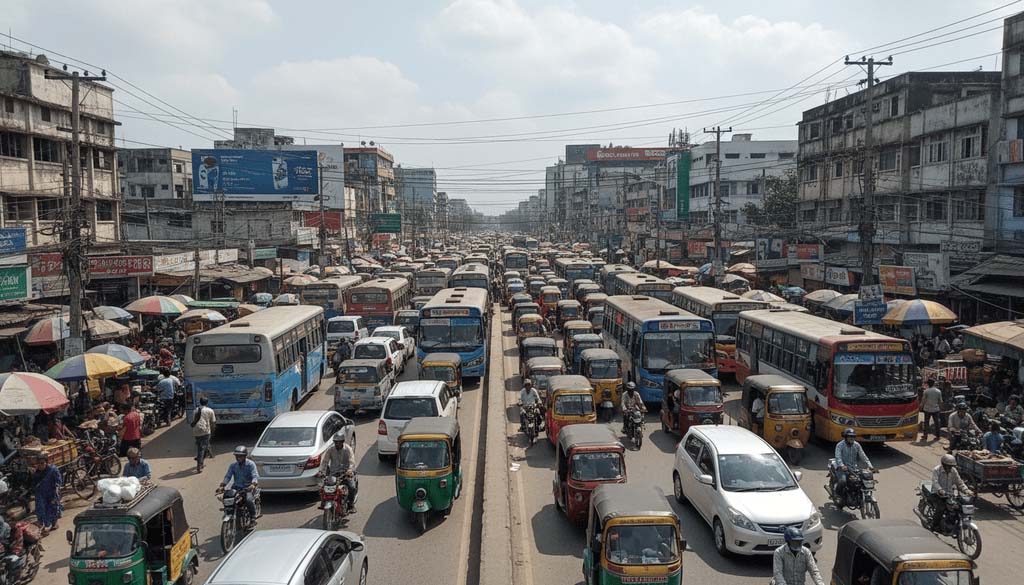
A traffic jam is when too many vehicles are on the road at the same time, causing them to move very slowly or stop completely. In Bangladesh, traffic jams are very common in big cities like Dhaka, especially during morning and evening rush hours when everyone is going to work or coming back home. Traffic jams waste a lot of time and make people frustrated and stressed. Many people arrive late to their offices and schools because of traffic jams. Vehicles stuck in traffic consume more fuel, which is wasteful and expensive for drivers. The exhaust from stationary vehicles pollutes the air and causes health problems like coughing and respiratory diseases. Traffic jams also cause accidents when drivers get impatient and take dangerous decisions. The main reasons for traffic jams include overpopulation of vehicles, bad road conditions, poor traffic management, and violations of traffic rules by drivers. We can reduce traffic jams by following traffic signals, not parking illegally, using public transportation, and carpooling with friends. Traffic police should enforce traffic rules strictly. Improving roads and building flyovers also helps reduce traffic jams in cities.
Key Vocabulary:
| English Word | Bangla Meaning |
|---|---|
| Traffic jam | যানজট |
| Rush hours | ব্যস্ত সময় |
| Consume | ব্যয় করা |
| Exhaust | ধোঁয়া, বর্জ্যগ্যাস |
| Respiratory | শ্বাসতন্ত্র সংক্রান্ত |
| Violations | লঙ্ঘন |
| Enforce | কার্যকর করা |
| Flyovers | ওভারপাস |
Traffic Jam Paragraph for Class 7/8 (250 words)
A traffic jam refers to a situation where vehicles accumulate on roads and move slowly or remain stationary due to overcrowding or obstructions. Bangladesh’s major cities, particularly Dhaka and Chittagong, experience severe and recurring traffic congestion causing significant disruptions to daily life and economic activities. Rush hours from seven to nine in the morning and five to eight in the evening witness extreme congestion with thousands of vehicles competing for limited road space. The primary causes of traffic jams include rapid increase in private vehicles and motorcycles exceeding road infrastructure capacity, poor traffic management systems, inadequate public transportation services, illegal parking on roads, and widespread violations of traffic regulations. Road construction and accidents further aggravate congestion by reducing available lanes and creating bottlenecks.
The consequences of traffic jams are extensive and negative. Traffic jams consume excessive fuel, increasing operational costs for vehicles and economic expenses for families. Workers and students waste several hours daily stuck in traffic, experiencing stress and reduced productivity. The exhaust gases from stationary vehicles significantly contribute to air pollution, causing respiratory diseases and health problems among urban populations. Traffic jams create accidents when impatient drivers make dangerous maneuvers. They delay emergency services like ambulances and fire trucks, affecting public safety. Road rage incidents increase during severe congestion, threatening social harmony.
Effective solutions require comprehensive approaches. The government should implement strict traffic enforcement with heavy penalties for violations. Improving road infrastructure by constructing flyovers and widening streets increases capacity. Expanding public transportation services like metro rail and buses incentivizes commuters to abandon personal vehicles. Workplace policies promoting flexible working hours and telecommuting reduce peak-hour congestion. Public awareness campaigns encouraging carpooling and cycling help reduce traffic volume. Traffic management systems using technology can optimize vehicle flow and reduce congestion significantly.
Key Vocabulary:
| English Word | Bangla Meaning |
|---|---|
| Traffic jam | যানজট |
| Accumulate | জমা হওয়া |
| Obstructions | বাধা |
| Congestion | যানজট, ভিড় |
| Disruptions | ব্যাঘাত |
| Rush hours | ব্যস্ত সময় |
| Infrastructure | অবকাঠামো |
| Services | সেবা |
| Violations | লঙ্ঘন |
| Road construction | রাস্তা নির্মাণ |
| Accidents | দুর্ঘটনা |
| Aggravate | বৃদ্ধি করা |
| Bottlenecks | প্রবাহে বাধা |
| Consequences | ফলাফল, পরিণতি |
| Extensive | ব্যাপক |
| Consume | ব্যয় করা |
| Productivity | উৎপাদনশীলতা |
| Exhaust | ধোঁয়া, বর্জ্যগ্যাস |
| Contribute | অবদান রাখা |
| Pollution | দূষণ |
| Respiratory diseases | শ্বাসতন্ত্রের রোগ |
| Maneuvers | কৌশল, পদক্ষেপ |
| Comprehensive | ব্যাপক |
| Enforcement | প্রয়োগ |
| Infrastructure | অবকাঠামো |
| Flyovers | ওভারপাস |
| Incentivizes | উৎসাহিত করা |
| Flexible | নমনীয় |
| Telecommuting | দূর থেকে কাজ করা |
| Volume | পরিমাণ |
Traffic Jam Paragraph for Class 9, 10 & SSC Level (350 words)
A traffic jam represents a phenomenon where vehicular congestion causes severe reduction in traffic flow, creating bottlenecks and gridlock on urban roads. Dhaka and other major cities experience chronic and severe traffic congestion during peak hours (seven to nine a.m. and five to eight p.m.) affecting millions of commuters and the urban economy. The primary causes include exponential growth in personal vehicles and motorcycles exceeding road infrastructure capacity, poor traffic management systems, inadequate public transportation services forcing reliance on private vehicles, illegal parking occupying valuable road space, and widespread violations of traffic regulations. Unplanned road construction, accidents, and weather-related obstacles further exacerbate congestion. Inadequate coordination among traffic authorities and poor enforcement of traffic rules enable chaotic driving behavior.
The socioeconomic consequences of traffic jams are substantial and multidimensional. Daily congestion causes commuters to waste two to three hours, representing significant productivity losses valued at billions annually. Vehicle fuel consumption increases dramatically during congestion, raising operational costs and expenses for vehicle owners and families. Air pollution from exhaust emissions of stationary vehicles causes respiratory diseases and health complications affecting public health significantly. Traffic congestion delays emergency services including ambulances and fire trucks, increasing mortality and morbidity rates. Economic losses occur through reduced goods transportation efficiency and business delays. Psychological stress from prolonged commuting affects mental health and quality of life. Road rage incidents increase during severe congestion, creating social tension and safety risks.
Comprehensive urban management strategies are essential for alleviating traffic congestion. Government must enforce strict traffic regulations with severe penalties against violators. Road infrastructure expansion through constructing flyovers, underpasses, and widening streets increases vehicular capacity. Public transportation services including metro rail, buses, and rapid transit systems must be expanded and improved to incentivize commuters to shift from private vehicles. Urban planning policies should promote mixed-use development reducing commuting distances. Workplace policies encouraging telecommuting and flexible working hours reduce peak-hour congestion. Public awareness campaigns promoting carpooling, cycling, and walking as sustainable alternatives reduce vehicular volume. Technology-based traffic management systems utilizing real-time monitoring optimize traffic flow. Strict parking regulations and fines prevent illegal parking. Integrated transportation planning coordinating all modes creates efficient urban mobility systems essential for reducing traffic jam severity and improving urban livability.
Key Vocabulary:
| English Word | Bangla Meaning |
|---|---|
| Traffic jam | যানজট |
| Phenomenon | ঘটনা, পরিঘটনা |
| Congestion | যানজট, ভিড় |
| Bottlenecks | প্রবাহে বাধা |
| Gridlock | সম্পূর্ণ অবরোধ |
| Peak hours | ব্যস্ততম সময় |
| Infrastructure | অবকাঠামো |
| Traffic management | যানবাহন ব্যবস্থাপনা |
| Services | সেবা |
| Violations | লঙ্ঘন |
| Regulations | নিয়মকানুন |
| Road construction | রাস্তা নির্মাণ |
| Accidents | দুর্ঘটনা |
| Obstacles | বাধা |
| Exacerbate | বৃদ্ধি করা |
| Inadequate | অপর্যাপ্ত |
| Enforcement | প্রয়োগ |
| Socioeconomic | সামাজিক-অর্থনৈতিক |
| Substantial | উল্লেখযোগ্য |
| Productivity | উৎপাদনশীলতা |
| Fuel consumption | জ্বালানি ব্যয় |
| Exhaust emissions | ধোঁয়া নিঃসরণ |
| Respiratory diseases | শ্বাসতন্ত্রের রোগ |
| Morbidity | রোগাক্রান্ততা |
| Transportation | পরিবহন |
| Efficiency | দক্ষতা |
| Psychological stress | মানসিক চাপ |
| Comprehensive | ব্যাপক |
| Essential | অপরিহার্য |
| Enforce | প্রয়োগ করা |
| Violators | লঙ্ঘনকারী |
| Capacity | ক্ষমতা |
| Incentivize | উৎসাহিত করা |
| Mixed-use | মিশ্র ব্যবহার |
| Telecommuting | দূর থেকে কাজ করা |
| Flexible | নমনীয় |
| Sustainable | টেকসই |
| Real-time | প্রকৃত সময় |
| Parking | গাড়ি রাখা |
| Fines | জরিমানা |
| Transportation planning | পরিবহন পরিকল্পনা |
| Livability | বাসযোগ্যতা |
Traffic Jam Paragraph for Class 11, 12 & HSC Level (450 words)
Traffic congestion represents a complex urban phenomenon involving vehicular accumulation on road networks causing severe reduction in flow rates, extended travel times, and gridlock conditions in metropolitan areas. Dhaka experiences chronic and acute traffic congestion during peak hours (seven to nine a.m. and five to eight p.m.) with estimated two to four million vehicles competing for limited road capacity. Traffic jams result from multifactorial causes including exponential growth in private vehicle ownership and motorcycles exceeding road infrastructure capacity, inadequate and fragmented public transportation services forcing widespread private vehicle dependence, poor traffic management systems and coordination failures among authorities, rampant violations of traffic regulations, illegal parking occupying significant road space, and insufficient enforcement of traffic laws. Planned and unplanned road construction, traffic accidents, and adverse weather conditions further exacerbate congestion by creating bottlenecks and reducing available capacity.
The socioeconomic consequences of traffic congestion are profound and multidimensional. Commuters waste two to three hours daily in congestion, representing substantial productivity losses estimated at billions of dollars annually affecting economic growth. Increased fuel consumption during congestion raises operational costs significantly for vehicle owners and businesses. Exhaust emissions from stationary vehicles substantially contribute to air pollution and environmental degradation, causing chronic respiratory diseases, cardiovascular complications, and reduced life expectancy among urban populations. Traffic congestion delays emergency services including ambulances and specialized medical transport, increasing mortality and morbidity rates. Delayed goods transportation reduces supply chain efficiency affecting business operations and commerce. Psychological stress from prolonged commuting affects mental health, quality of life, and workplace productivity. Increased road rage incidents and aggressive driving behavior pose safety threats and social risks.
Integrated transportation management strategies are imperative for addressing traffic congestion comprehensively. Government must strengthen regulatory frameworks, enforce traffic regulations rigorously, and penalize violations severely. Road infrastructure expansion through constructing elevated expressways, underpasses, and intelligent intersections increases capacity. Public transportation expansion including metro rail, bus rapid transit, and integrated multimodal networks must incentivize shifts from private vehicles. Urban planning policies promoting mixed-use development reduce commuting distances. Workplace policies supporting telecommuting and flexible scheduling reduce peak-hour volume. Technology-based intelligent transportation systems utilizing real-time traffic monitoring and adaptive signal control optimize flow. Congestion pricing and strict parking regulations discourage private vehicle use. Public campaigns promoting cycling, carpooling, and sustainable transportation modes reduce vehicular volume. Comprehensive land-use planning and transit-oriented development create sustainable urban environments. Coordinated enforcement of parking restrictions eliminates illegal parking. Behavioral change initiatives promoting responsible driving and traffic discipline are essential. Integrated approaches combining regulatory measures, infrastructure development, technology adoption, and public participation are vital for achieving sustainable traffic management and improving urban livability in Bangladesh.
Key Vocabulary:
| English Word | Bangla Meaning |
|---|---|
| Traffic congestion | যানজট |
| Phenomenon | ঘটনা |
| Vehicular accumulation | গাড়ির সমাবেশ |
| Gridlock | সম্পূর্ণ অবরোধ |
| Peak hours | ব্যস্ততম সময় |
| Capacity | ক্ষমতা |
| Multifactorial | বহুমুখী কারণযুক্ত |
| Infrastructure | অবকাঠামো |
| Services | সেবা |
| Dependence | নির্ভরতা |
| Traffic management | যানবাহন ব্যবস্থাপনা |
| Violations | লঙ্ঘন |
| Regulations | নিয়মকানুন |
| Enforcement | প্রয়োগ |
| Exacerbate | বৃদ্ধি করা |
| Bottlenecks | প্রবাহে বাধা |
| Socioeconomic | সামাজিক-অর্থনৈতিক |
| Profound | গভীর |
| Productivity | উৎপাদনশীলতা |
| Substantial | উল্লেখযোগ্য |
| Economic | অর্থনৈতিক |
| Fuel consumption | জ্বালানি ব্যয় |
| Contribute | অবদান রাখা |
| Environmental degradation | পরিবেশগত অবনমন |
| Chronic respiratory diseases | দীর্ঘস্থায়ী শ্বাসরোগ |
| Cardiovascular | হৃদপ্রবাহ সংক্রান্ত |
| Morbidity | রোগাক্রান্ততা |
| Transportation | পরিবহন |
| Efficiency | দক্ষতা |
| Operations | কর্মপ্রবাহ |
| Commuting | যাতায়াত |
| Integrated | সংযুক্ত |
| Imperative | অত্যন্ত প্রয়োজনীয় |
| Comprehensively | ব্যাপকভাবে |
| Strengthen | শক্তিশালী করা |
| Penalize | শাস্তি দেওয়া |
| Expressways | দ্রুতগামী পথ |
| Intersections | সংযোগস্থল |
| Bus rapid transit | দ্রুত বাস পরিবহন |
| Multimodal | বহুমোড |
| Incentivize | উৎসাহিত করা |
| Mixed-use development | মিশ্র ব্যবহার উন্নয়ন |
| Telecommuting | দূর থেকে কাজ করা |
| Flexible | নমনীয় |
| Peak-hour | ব্যস্ততম সময় |
| Volume | পরিমাণ |
| Intelligent transportation systems | বুদ্ধিমান পরিবহন ব্যবস্থা |
| Real-time | প্রকৃত সময় |
| Adaptive signal control | অভিযোজনযোগ্য সংকেত নিয়ন্ত্রণ |
| Congestion pricing | যানজট মূল্য নির্ধারণ |
| Parking | গাড়ি রাখা |
| Sustainable | টেকসই |
| Cycling | সাইকেল চালানো |
| Carpooling | গাড়ি শেয়ার করা |
| Land-use planning | ভূমি ব্যবহার পরিকল্পনা |
| Transit-oriented development | পরিবহন কেন্দ্রিক উন্নয়ন |
| Behavioral change | আচরণগত পরিবর্তন |
| Livability | বাসযোগ্যতা |
Exam-Style FAQs on Traffic Jam
Q1: What is a traffic jam and what are its main causes in Bangladesh?
Answer: A traffic jam occurs when vehicles accumulate on roads causing severe reduction in traffic flow. Main causes in Bangladesh include excessive private vehicles exceeding road infrastructure capacity, inadequate public transportation services, illegal parking, violations of traffic rules, and poor traffic management systems.
Key Vocabulary: Traffic jam (যানজট), Accumulate (জমা হওয়া), Infrastructure (অবকাঠামো), Services (সেবা), Violations (লঙ্ঘন), Traffic management (যানবাহন ব্যবস্থাপনা)
Q2: During which hours do traffic jams occur most severely in Dhaka?
Answer: Traffic jams are most severe during rush hours from seven to nine in the morning when people go to work and schools, and from five to eight in the evening when they return home. These peak hours witness extreme congestion with millions of vehicles on roads.
Key Vocabulary: Traffic jams (যানজট), Rush hours (ব্যস্ত সময়), Peak hours (ব্যস্ততম সময়), Congestion (যানজট)
Q3: How do traffic jams affect the environment and public health?
Answer: Traffic jams cause stationary vehicles to emit excessive exhaust gases polluting air significantly. This air pollution causes respiratory diseases like asthma and bronchitis, cardiovascular problems, and reduces life expectancy among city populations. Pollution from congestion contributes substantially to environmental degradation.
Key Vocabulary: Traffic jams (যানজট), Environment (পরিবেশ), Exhaust (ধোঁয়া), Pollution (দূষণ), Respiratory diseases (শ্বাসতন্ত্রের রোগ), Cardiovascular (হৃদপ্রবাহ সংক্রান্ত), Degradation (অবনমন)
Q4: What socioeconomic losses does traffic congestion cause to Bangladesh?
Answer: Traffic congestion wastes two to three hours daily for commuters, causing substantial productivity losses valued at billions annually. Fuel consumption increases raising costs for vehicle owners. Emergency services are delayed affecting public safety. Business operations slow down reducing commerce and economic growth significantly.
Key Vocabulary: Socioeconomic (সামাজিক-অর্থনৈতিক), Traffic congestion (যানজট), Productivity (উৎপাদনশীলতা), Substantial (উল্লেখযোগ্য), Operations (কর্মপ্রবাহ), Economic (অর্থনৈতিক)
Q5: How can improving road infrastructure reduce traffic jams?
Answer: Road infrastructure improvements including constructing flyovers, underpasses, and widening streets increase vehicular capacity allowing more vehicles to move simultaneously. Intelligent intersections with advanced signal systems optimize traffic flow. These infrastructure upgrades are essential for reducing congestion and improving traffic management.
Key Vocabulary: Infrastructure (অবকাঠামো), Traffic jams (যানজট), Flyovers (ওভারপাস), Capacity (ক্ষমতা), Intersections (সংযোগস্থল), Essential (অপরিহার্য), Congestion (যানজট)
Q6: What role does public transportation play in reducing traffic congestion?
Answer: Expanding public transportation services including metro rail, buses, and rapid transit systems incentivizes commuters to shift from private vehicles. When millions use public transport instead of personal cars, road congestion decreases significantly. Improved public transportation reduces traffic jam severity and pollution.
Key Vocabulary: Public transportation (জনপরিবহন), Traffic congestion (যানজট), Services (সেবা), Rapid transit (দ্রুত পরিবহন), Incentivizes (উৎসাহিত করা), Congestion (যানজট), Pollution (দূষণ)
Q7: How can workplace policies and flexible working hours reduce traffic congestion?
Answer: Workplace policies promoting telecommuting and flexible working hours allow employees to work from home or outside peak hours. This reduces the number of vehicles on roads during morning and evening rush periods, significantly decreasing congestion, pollution, and commute stress.
Key Vocabulary: Workplace policies (কর্মক্ষেত্রের নীতি), Flexible (নমনীয়), Traffic congestion (যানজট), Telecommuting (দূর থেকে কাজ করা), Peak hours (ব্যস্ততম সময়), Congestion (যানজট), Pollution (দূষণ), Commute (যাতায়াত)
Q8: What sustainable transportation alternatives can reduce traffic jams?
Answer: Sustainable alternatives including cycling, walking, and carpooling reduce vehicular volume on roads. Public awareness campaigns promoting these alternatives incentivize people to abandon personal vehicles. Sustainable transportation modes decrease congestion, reduce pollution, and improve environmental quality while reducing individual transportation costs.
Key Vocabulary: Sustainable (টেকসই), Transportation (পরিবহন), Traffic jams (যানজট), Cycling (সাইকেল চালানো), Carpooling (গাড়ি শেয়ার করা), Volume (পরিমাণ), Incentivize (উৎসাহিত করা), Congestion (যানজট), Pollution (দূষণ)
Q9: How can technology and intelligent transportation systems reduce traffic congestion?
Answer: Intelligent transportation systems utilizing real-time traffic monitoring, adaptive signal control, and data analysis optimize vehicle flow efficiently. Technology-based solutions like congestion pricing and smart parking systems discourage unnecessary vehicle use. These technological interventions significantly reduce congestion and improve traffic management.
Key Vocabulary: Technology (প্রযুক্তি), Intelligent transportation systems (বুদ্ধিমান পরিবহন ব্যবস্থা), Traffic congestion (যানজট), Real-time (প্রকৃত সময়), Adaptive signal control (অভিযোজনযোগ্য সংকেত নিয়ন্ত্রণ), Congestion pricing (যানজট মূল্য নির্ধারণ), Interventions (হস্তক্ষেপ)
Q10: What comprehensive strategies are necessary for solving traffic congestion in Bangladesh?
Answer: Comprehensive strategies require integrated approaches combining strict traffic enforcement, road infrastructure expansion, public transportation development, sustainable urban planning, technology adoption, workplace policies supporting flexible hours, and public awareness campaigns. Coordinated efforts from government, authorities, businesses, and citizens are essential for achieving long-term congestion reduction and urban livability.
Key Vocabulary: Comprehensive strategies (ব্যাপক কৌশল), Traffic congestion (যানজট), Integrated (সংযুক্ত), Enforcement (প্রয়োগ), Infrastructure (অবকাঠামো), Sustainable (টেকসই), Flexible (নমনীয়), Essential (অপরিহার্য)