




বাংলাদেশি শিক্ষার্থীদের জন্য Village and City Life Paragraph টি লেখাটি খুব সহজ ভাষায় প্রস্তুত করা হয়েছে। গুরুত্বপূর্ণ শব্দগুলো Bold করে প্রতিটি Paragraph এর পরে শব্দার্থসহ হয়েছে, যাতে শিক্ষার্থীরা সহজে বুঝে শিখতে পারে। এখানে ক্লাস স্ট্যান্ডার্ড অনুযায়ী প্যারাগ্রাফগুলো লেখা হয়েছে। তবে শিক্ষার্থী তার চাহিদা ও সক্ষমতা অনুযায়ী ছোট বা বড় যেকোনো প্যারাগ্রাফ বেছে নিয়ে শিখতে পারে। প্রতিটি Paragraph মানসম্মত ও শেখার জন্য উপযোগী।
Village and City Life Paragraph – For Class 6 & 7 (150+ words)
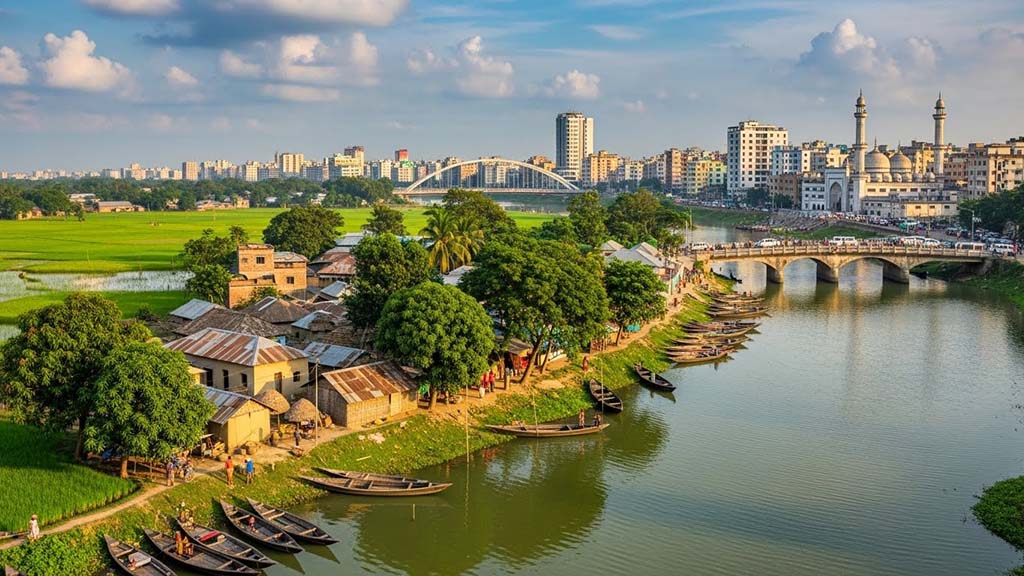
Village life and city life are very different from each other. In villages, people live simple and peaceful lives. They wake up early in the morning. Most villagers are farmers who work in fields. They grow rice, vegetables, and crops. Village air is clean and fresh. Trees and green fields are everywhere. People know each other well and help one another. But villages lack many modern facilities. There are fewer schools and hospitals. Roads are often muddy and narrow. On the other hand, city life is busy and fast. Cities have tall buildings, factories, and many shops. People work in offices, schools, and different businesses. Cities offer better education and healthcare facilities. Also, cities have electricity, clean water, and good transportation. However, city air is polluted because of smoke and traffic. Noise is everywhere and people feel stressed. Life in cities is expensive and crowded. Both village and city life have advantages and disadvantages.
Vocabulary Table
| English Word | Bangla Meaning |
|---|---|
| Village life | গ্রাম জীবন |
| City life | শহর জীবন |
| Farmers | কৃষক |
| Fields | মাঠ |
| Rice | ধান |
| Vegetables | সবজি |
| Crops | ফসল |
| Green fields | সবুজ মাঠ |
| Facilities | সুবিধা |
| Schools | স্কুল |
| Hospitals | হাসপাতাল |
| Roads | রাস্তা |
| Buildings | ভবন |
| Factories | কারখানা |
| Shops | দোকান |
| Offices | অফিস |
| Education | শিক্ষা |
| Healthcare | স্বাস্থ্যসেবা |
| Electricity | বিদ্যুৎ |
| Polluted | দূষিত |
| Noise | শব্দ/কোলাহল |
| Crowded | জনাকীর্ণ |
Village and City Life Paragraph – For Class 7 & 8 (200+ words)
Village life and city life are completely different in many ways. Villages are peaceful places with natural beauty all around. Most people in villages are farmers who depend on agriculture for their living. They cultivate paddy fields, grow vegetables, and raise livestock like cows and goats. Village people wake up early and work hard throughout the day. The environment is clean with fresh air and green nature. Rivers, ponds, and trees make villages beautiful and calm. People maintain strong social bonds and know everyone in their community. They celebrate festivals together and help each other during difficult times. However, villages face several problems. Modern facilities like good schools, hospitals, and transportation are limited. Many villages still lack electricity and proper roads. Communication systems are weak and internet access is poor.
In contrast, city life is fast-paced and full of opportunities. Cities have excellent educational institutions, medical facilities, and job opportunities. People work in various professions like teaching, engineering, business, and government services. Cities provide entertainment options like cinemas, parks, and shopping malls. Technology and modern amenities are easily available. Public transport systems connect different areas efficiently. But city life has serious disadvantages too. The environment is heavily polluted due to vehicle smoke and industrial waste. Traffic congestion creates problems daily. The cost of living is very high. Housing is expensive and living spaces are small. People live busy lives with little time for family and neighbors. Crime rates are higher in cities. Despite these differences, both village and city life have their own unique charm and challenges.
Vocabulary Table
| English Word | Bangla Meaning |
|---|---|
| Village life | গ্রামীণ জীবন |
| City life | শহর জীবন |
| Villages | গ্রাম |
| Farmers | কৃষক |
| Agriculture | কৃষি |
| Paddy fields | ধান ক্ষেত |
| Vegetables | সবজি |
| Livestock | গবাদি পশু |
| Environment | পরিবেশ |
| Nature | প্রকৃতি |
| Social bonds | সামাজিক বন্ধন |
| Community | সম্প্রদায় |
| Festivals | উৎসব |
| Facilities | সুবিধা |
| Schools | বিদ্যালয় |
| Hospitals | হাসপাতাল |
| Transportation | যোগাযোগ ব্যবস্থা |
| Electricity | বিদ্যুৎ |
| Roads | সড়ক |
| Communication | যোগাযোগ |
| Educational institutions | শিক্ষা প্রতিষ্ঠান |
| Medical facilities | চিকিৎসা সুবিধা |
| Professions | পেশা |
| Entertainment | বিনোদন |
| Cinemas | সিনেমা হল |
| Technology | প্রযুক্তি |
| Polluted | দূষিত |
| Traffic congestion | যানজট |
| Housing | আবাসন |
| Crime rates | অপরাধের হার |
| Village | গ্রাম |
| City | শহর |
Village and City Life Paragraph – For Class 9 & 10 (300+ words)
Village life and city life represent two distinct ways of living that exist in Bangladesh and throughout the world. Each lifestyle has its own characteristics, advantages, and disadvantages. Villages are characterized by simplicity, natural beauty, and close-knit communities. The majority of village people are farmers who depend on agriculture as their primary source of income. They cultivate rice, wheat, jute, and various vegetables in their fields. Many villagers also rear poultry and livestock to supplement their earnings. Village life follows a natural rhythm connected to seasons and farming cycles. People wake up with the sunrise and rest after sunset. The environment in villages is clean and pollution-free. Green paddy fields, flowing rivers, shady trees, and chirping birds create a peaceful atmosphere. Social relationships are strong in villages because everyone knows each other personally. People participate in each other’s happiness and sorrows. They celebrate religious festivals and cultural programs together with great enthusiasm. Traditional values and customs are well-preserved in village society.
However, villages suffer from lack of modern infrastructure and development. Educational facilities are inadequate with few quality schools and colleges. Healthcare services are limited, forcing sick people to travel to cities for treatment. Most villages lack proper roads, electricity supply, and sanitation systems. Employment opportunities are scarce, pushing young people to migrate to cities. Conversely, city life is dynamic, modern, and full of opportunities. Cities serve as centers of commerce, industry, and administration. People engage in diverse occupations including business, teaching, engineering, medicine, and government jobs. Cities boast excellent educational institutions from primary schools to universities. Medical facilities with advanced technology and specialist doctors are readily available. Transportation networks including buses, trains, and rickshaws connect all areas efficiently. Cities offer numerous entertainment options like shopping malls, restaurants, parks, and movie theaters. Modern amenities such as internet, banking services, and communication facilities are easily accessible.
Nevertheless, city life comes with significant challenges. Air pollution from vehicles and factories causes respiratory problems. Water pollution and noise pollution affect health adversely. Traffic jams waste hours daily and increase frustration. The cost of living is extremely high, making life difficult for poor people. Accommodation is expensive and living spaces are cramped. Crime, theft, and social problems are more prevalent. People live stressful lives with little personal connection to neighbors. The pressure to succeed creates mental health issues. Ultimately, both village and city life have their unique appeal and drawbacks, and the choice depends on individual preferences and circumstances.
Vocabulary Table
| English Word | Bangla Meaning |
|---|---|
| Village life | গ্রাম জীবন |
| City life | শহর জীবন |
| Bangladesh | বাংলাদেশ |
| Villages | গ্রাম |
| Communities | সম্প্রদায় |
| Farmers | কৃষক |
| Agriculture | কৃষি |
| Rice | ধান |
| Wheat | গম |
| Jute | পাট |
| Vegetables | সবজি |
| Poultry | হাঁস-মুরগি |
| Livestock | গবাদি পশু |
| Environment | পরিবেশ |
| Paddy fields | ধান ক্ষেত |
| Social relationships | সামাজিক সম্পর্ক |
| Religious festivals | ধর্মীয় উৎসব |
| Cultural programs | সাংস্কৃতিক অনুষ্ঠান |
| Traditional values | ঐতিহ্যবাহী মূল্যবোধ |
| Infrastructure | অবকাঠামো |
| Facilities | সুবিধা |
| Schools | বিদ্যালয় |
| Colleges | কলেজ |
| Healthcare services | স্বাস্থ্যসেবা |
| Roads | সড়ক |
| Electricity | বিদ্যুৎ |
| Sanitation systems | পয়ঃনিষ্কাশন ব্যবস্থা |
| Employment opportunities | কর্মসংস্থানের সুযোগ |
| Commerce | বাণিজ্য |
| Industry | শিল্প |
| Occupations | পেশা |
| Educational institutions | শিক্ষা প্রতিষ্ঠান |
| Universities | বিশ্ববিদ্যালয় |
| Medical facilities | চিকিৎসা সুবিধা |
| Transportation networks | যোগাযোগ নেটওয়ার্ক |
| Entertainment options | বিনোদনের বিকল্প |
| Shopping malls | শপিং মল |
| Restaurants | রেস্তোরাঁ |
| Movie theaters | সিনেমা হল |
| Internet | ইন্টারনেট |
| Banking services | ব্যাংকিং সেবা |
| Communication facilities | যোগাযোগ সুবিধা |
| Air pollution | বায়ু দূষণ |
| Water pollution | পানি দূষণ |
| Noise pollution | শব্দ দূষণ |
| Traffic jams | যানজট |
| Cost of living | জীবনযাত্রার ব্যয় |
| Accommodation | বাসস্থান |
| Crime | অপরাধ |
Village and City Life Paragraph – For Class 11 & 12 (400+ words)
Village life and city life represent two fundamentally different lifestyles that coexist in Bangladesh and across the globe, each offering distinct experiences, opportunities, and challenges. Understanding these differences is essential for comprehending social dynamics and development patterns in modern society. Village life embodies simplicity, tranquility, and harmony with nature. The rural economy is predominantly based on agriculture and related activities. Villagers engage in cultivating crops such as rice, wheat, jute, sugarcane, and various vegetables depending on seasonal patterns. Animal husbandry, fishing, and cottage industries provide additional income sources for rural families. The daily routine in villages follows natural cycles, with people rising at dawn and retiring early evening.
The environment in villages remains relatively unpolluted and healthy. Fresh air, green paddy fields, meandering rivers, dense vegetation, and abundant wildlife create an idyllic setting. The pace of life is slow and less stressful compared to urban areas. Social fabric in villages is tightly woven with strong interpersonal relationships. Extended families often live together, maintaining joint family systems. Community members share deep bonds of trust and mutual support. They actively participate in each other’s joys and sorrows, celebrating weddings, religious festivals, and cultural events collectively. Traditional customs, moral values, and cultural heritage are carefully preserved and transmitted across generations.
However, rural areas face numerous developmental challenges that hinder progress. Educational infrastructure remains inadequate, with limited access to quality schools and colleges. Many villages lack trained teachers and proper learning materials. Healthcare facilities are severely insufficient, with few hospitals or clinics equipped to handle serious medical conditions. Patients must travel long distances to urban centers for treatment. Physical infrastructure is underdeveloped, with many villages lacking paved roads, reliable electricity supply, and proper sanitation systems. Communication technology and internet connectivity remain poor or absent in remote areas. Employment opportunities are scarce, forcing educated youth to migrate to cities for better prospects. This rural-urban migration drains villages of their young workforce and talent.
In stark contrast, city life is characterized by rapid pace, modernity, and diverse opportunities. Cities function as economic hubs where commerce, industry, technology, and administration converge. Urban residents pursue varied professions across multiple sectors including business, engineering, medicine, law, education, information technology, and government services. Cities boast superior educational institutions ranging from prestigious schools to renowned universities offering world-class education and research facilities. Medical infrastructure is highly advanced with specialized hospitals, diagnostic centers, and expert physicians providing comprehensive healthcare. Transportation systems are well-developed with extensive networks of buses, trains, taxis, and ride-sharing services ensuring connectivity. Cities offer abundant recreational facilities including shopping centers, restaurants, cinemas, theaters, museums, parks, and sports complexes. Modern amenities like high-speed internet, digital banking, e-commerce, and advanced communication systems are readily accessible. Cities provide platforms for career advancement, entrepreneurship, and social mobility.
Nevertheless, urban life presents formidable challenges that impact quality of living. Environmental degradation is severe, with air pollution from vehicular emissions and industrial activities causing respiratory diseases. Water bodies are contaminated with industrial waste and sewage. Noise pollution from traffic and construction creates constant disturbance. Traffic congestion wastes productive hours and increases stress levels significantly. The cost of living in cities is prohibitively high, with expensive housing, food, education, and healthcare. Living spaces are cramped and privacy is limited.
Social isolation is common as people lack time for meaningful relationships. Crime rates including theft, fraud, and violence are considerably higher. Competition and pressure to succeed create mental health problems like anxiety and depression. Income inequality is starkly visible with extreme poverty existing alongside affluence. Ultimately, both village and city life have inherent advantages and disadvantages. Villages offer peace, community, and environmental health but lack opportunities and modern facilities. Cities provide opportunities, infrastructure, and amenities but suffer from pollution, stress, and social problems. The choice between rural and urban living depends on personal priorities, career goals, and lifestyle preferences, and many people seek to balance elements of both for optimal living.
Vocabulary Table
| English Word | Bangla Meaning |
|---|---|
| Village life | গ্রাম জীবন |
| City life | শহর জীবন |
| Bangladesh | বাংলাদেশ |
| Social dynamics | সামাজিক গতিশীলতা |
| Development patterns | উন্নয়ন ধরন |
| Nature | প্রকৃতি |
| Rural economy | গ্রামীণ অর্থনীতি |
| Agriculture | কৃষি |
| Crops | ফসল |
| Rice | ধান |
| Wheat | গম |
| Jute | পাট |
| Sugarcane | আখ |
| Vegetables | সবজি |
| Animal husbandry | পশুপালন |
| Fishing | মৎস্য চাষ |
| Cottage industries | কুটির শিল্প |
| Environment | পরিবেশ |
| Paddy fields | ধান ক্ষেত |
| Social fabric | সামাজিক কাঠামো |
| Joint family systems | যৌথ পরিবার ব্যবস্থা |
| Religious festivals | ধর্মীয় উৎসব |
| Cultural events | সাংস্কৃতিক অনুষ্ঠান |
| Traditional customs | ঐতিহ্যবাহী রীতিনীতি |
| Rural areas | গ্রামীণ এলাকা |
| Schools | বিদ্যালয় |
| Colleges | মহাবিদ্যালয় |
| Healthcare facilities | স্বাস্থ্য সুবিধা |
| Hospitals | হাসপাতাল |
| Clinics | ক্লিনিক |
| Roads | সড়ক |
| Electricity | বিদ্যুৎ |
| Sanitation systems | স্যানিটেশন ব্যবস্থা |
| Communication technology | যোগাযোগ প্রযুক্তি |
| Internet connectivity | ইন্টারনেট সংযোগ |
| Employment opportunities | কর্মসংস্থানের সুযোগ |
| Rural-urban migration | গ্রাম থেকে শহরে অভিবাসন |
| Economic hubs | অর্থনৈতিক কেন্দ্র |
| Commerce | বাণিজ্য |
| Industry | শিল্প |
| Technology | প্রযুক্তি |
| Professions | পেশা |
| Educational institutions | শিক্ষা প্রতিষ্ঠান |
| Universities | বিশ্ববিদ্যালয় |
| Medical infrastructure | চিকিৎসা অবকাঠামো |
| Healthcare | স্বাস্থ্যসেবা |
| Transportation systems | পরিবহন ব্যবস্থা |
| Recreational facilities | বিনোদন সুবিধা |
| Shopping centers | শপিং সেন্টার |
| Restaurants | রেস্তোরাঁ |
| Cinemas | সিনেমা হল |
| Sports complexes | ক্রীড়া কমপ্লেক্স |
| Internet | ইন্টারনেট |
| Digital banking | ডিজিটাল ব্যাংকিং |
| Communication systems | যোগাযোগ ব্যবস্থা |
| Career advancement | পেশাগত উন্নতি |
| Entrepreneurship | উদ্যোক্তা |
| Social mobility | সামাজিক গতিশীলতা |
| Environmental degradation | পরিবেশ অবনতি |
| Air pollution | বায়ু দূষণ |
| Water bodies | জলাশয় |
| Industrial waste | শিল্প বর্জ্য |
| Noise pollution | শব্দ দূষণ |
| Traffic congestion | যানজট |
| Cost of living | জীবনযাত্রার ব্যয় |
| Housing | আবাসন |
| Social isolation | সামাজিক বিচ্ছিন্নতা |
| Crime rates | অপরাধের হার |
| Income inequality | আয় বৈষম্য |
FAQ Section on Village and City Life Paragraph
Q1: What is the main difference between village and city life? Village life is simple, peaceful, and connected to nature, while city life is fast-paced, modern, and full of opportunities. Villages focus on agriculture, whereas cities center on industry, commerce, and diverse professions.
Q2: What are the advantages of village life? Village life offers clean environment, fresh air, strong social bonds, peaceful atmosphere, and low cost of living. People maintain close relationships with neighbors and preserve traditional values and cultural heritage.
Q3: What are the disadvantages of village life? Villages lack proper educational facilities, healthcare services, modern infrastructure, and employment opportunities. Poor roads, limited electricity, weak internet connectivity, and inadequate transportation create difficulties for villagers.
Q4: What are the benefits of city life? Cities provide excellent education, advanced healthcare, diverse job opportunities, modern amenities, and entertainment options. Good transportation, technology access, and career advancement possibilities attract people to cities.
Q5: What are the problems of city life? City life faces air pollution, water pollution, noise pollution, traffic congestion, high living costs, and cramped housing. Social isolation, crime, stress, and mental health issues are common urban problems.
Q6: How do social relationships differ in villages and cities? In villages, people have strong personal bonds and know everyone in their community. In cities, people are busy and often do not know their neighbors well, leading to social isolation.
Q7: What is rural-urban migration? Rural-urban migration is the movement of people from villages to cities in search of better education, employment, and living opportunities. This migration drains villages of young workforce and talent.
Q8: How does agriculture support village economy? Agriculture is the primary occupation in villages, with people cultivating rice, wheat, vegetables, and other crops. Animal husbandry, fishing, and cottage industries supplement agricultural income for rural families.
Q9: Why is environmental pollution worse in cities than villages? Cities have more vehicles, factories, and industries that release smoke and waste into air and water. Dense population, construction activities, and traffic create severe noise and air pollution in urban areas.
Q10: Can someone enjoy benefits of both village and city life? Some people maintain connections to both by working in cities while visiting villages regularly, or living in suburban areas. Balanced development aims to bring urban facilities to villages while preserving rural peace.