





Load Shedding Paragraph for Class 6/7 (150 words)
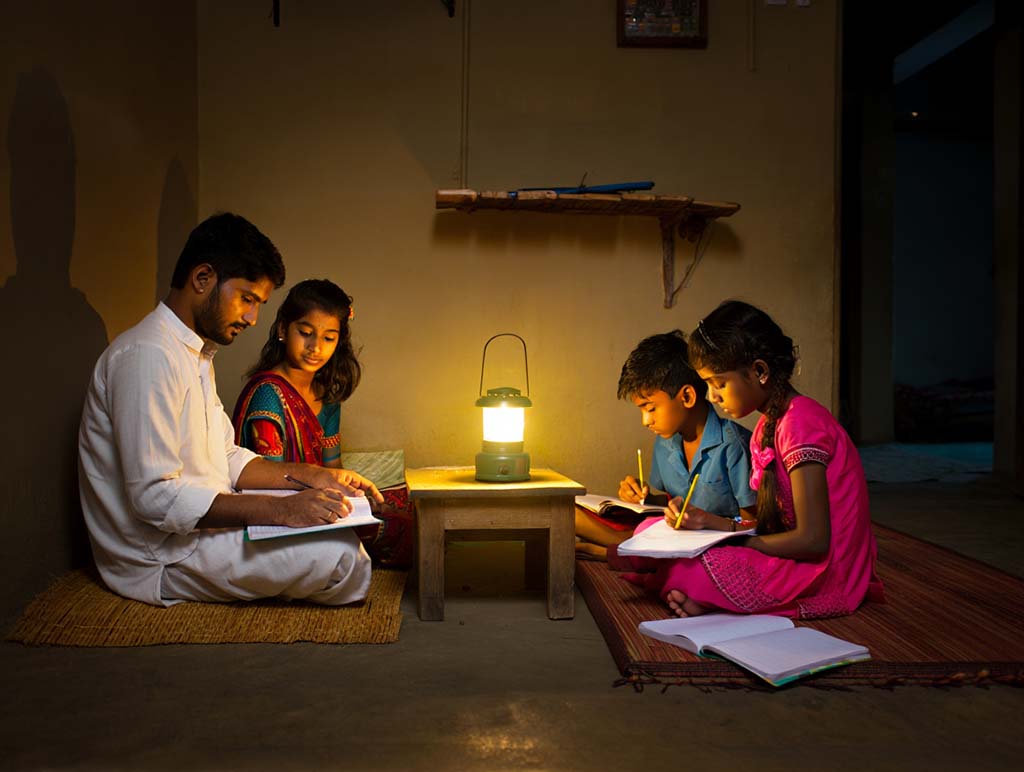
Load shedding means turning off electricity in different areas of the city for a certain time to manage power supply. In Bangladesh, load shedding happens very often, especially in summer and winter when electricity demand is very high. Load shedding causes many problems for people in their daily lives. Students cannot study properly at night because they have no lights. Patients in hospitals suffer when electricity suddenly stops during important operations. Businesspeople face losses when shops and factories must close. Load shedding also causes heat waves in summer because fans and air conditioning stop working. Refrigerators cannot keep food cool, so food gets spoiled. People feel frustrated and angry with frequent power cuts. Doctors say load shedding causes health problems because of stress and heat. To solve load shedding, Bangladesh needs to increase electricity production from power plants. The government should invest in renewable energy like solar and wind power. Industries and homes should use electricity carefully and avoid wasting it. Everyone must reduce electricity consumption to help manage the power crisis in Bangladesh.
Key Vocabulary:
| English Word | Bangla Meaning |
|---|---|
| Load shedding | লোড শেডিং, বিদ্যুৎ বিচ্ছেদ |
| Electricity | বিদ্যুৎ |
| Supply | সরবরাহ |
| Demand | চাহিদা |
| Heat | তাপ |
| Refrigerators | রেফ্রিজারেটর |
| Stress | চাপ |
| Renewable energy | পুনর্নবীকরণযোগ্য শক্তি |
| Consumption | ব্যবহার |
Load Shedding Paragraph for Class 7/8 (250 words)
Load shedding refers to deliberate electricity supply interruptions in specific areas to manage demand during peak hours and capacity shortages. Bangladesh experiences severe and frequent load shedding problems, particularly during summer and winter seasons when electricity demand exceeds available capacity. The primary causes include insufficient electricity generation capacity, aging power plant infrastructure, inefficient distribution systems with high technical losses, inadequate investment in power sector development, and non-payment of electricity bills by some consumers.
The consequences of load shedding are extensive and negative affecting all sectors. Students cannot study effectively at night without lights, harming educational development. Hospitals face serious challenges during load shedding as life-saving medical equipment stops functioning, endangering patient survival. Businesses suffer revenue losses when factories shut down and shops must close. Agricultural activities are disrupted as irrigation pumps cannot operate. Food spoils in refrigerators when electricity stops, increasing household expenses and wastage. People suffer heat-related health problems during summer load shedding. Stress and frustration from power cuts affect psychological well-being. Load shedding hampers industrial productivity and economic growth.
Solutions require comprehensive approaches. Government must increase electricity generation through constructing new power plants and expanding capacity. Renewable energy sources like solar, wind, and hydroelectric power should be developed. Energy efficiency programs reducing consumption are essential. Investment in modern distribution infrastructure reduces technical losses. Strong action against electricity theft prevents wastage. Public awareness campaigns must promote electricity conservation. Industries should optimize power usage. Households must adopt energy-efficient appliances. Coordinated government, business, and citizen efforts are essential for reducing load shedding frequency and ensuring reliable power supply for all.
Key Vocabulary:
| English Word | Bangla Meaning |
|---|---|
| Load shedding | লোড শেডিং |
| Electricity | বিদ্যুৎ |
| Supply | সরবরাহ |
| Demand | চাহিদা |
| Capacity | ক্ষমতা |
| Infrastructure | অবকাঠামো |
| Investment | বিনিয়োগ |
| Development | উন্নয়ন |
| Payment | অর্থ প্রদান |
| Extensive | ব্যাপক |
| Negative | নেতিবাচক |
| Educational | শিক্ষামূলক |
| Survival | বেঁচে থাকা |
| Agricultural | কৃষি সংক্রান্ত |
| Food | খাদ্য |
| Wastage | অপচয় |
| Heat | তাপ |
| Stress | চাপ |
| Productivity | উৎপাদনশীলতা |
| Economic | অর্থনৈতিক |
| Renewable energy | পুনর্নবীকরণযোগ্য শক্তি |
| Hydroelectric | জল বিদ্যুৎ |
| Energy efficiency | শক্তি দক্ষতা |
| Consumption | ব্যবহার |
| Essential | অপরিহার্য |
| Theft | চুরি |
| Conservation | সংরক্ষণ |
| Energy-efficient | শক্তি দক্ষ |
Load Shedding Paragraph for SSC Level (350 words)
Load shedding represents deliberate and scheduled electricity supply interruptions implemented to manage demand during peak consumption hours when generation capacity proves insufficient. Bangladesh experiences chronic and severe load shedding with daily interruptions sometimes exceeding twelve hours, particularly during summer months when cooling demand surges. The primary causes include inadequate electricity generation capacity relative to national demand, aging thermal power plant infrastructure suffering from technical failures, inefficient distribution systems experiencing significant technical and non-technical losses, inadequate investment in power sector modernization, widespread electricity theft reducing available supply, and non-payment of bills by defaulting consumers.
The socioeconomic consequences of load shedding are severe and multifaceted. Educational development suffers as students cannot study effectively without night lighting, reducing academic performance and learning outcomes. Healthcare delivery becomes critical when hospitals lose electricity during load shedding, endangering patient survival and mortality rates. Industrial productivity declines dramatically as factories cannot operate, causing economic losses and unemployment. Agricultural activities suffer when irrigation pumps cannot function, reducing crop yields and threatening food security. Spoilage of perishable food items in refrigerators increases household expenses and food wastage. Citizens suffer heat-related illnesses during summer as air conditioning becomes unavailable. Small businesses and shops must close during load shedding, disrupting commerce and livelihoods. Psychological stress and frustration from frequent power cuts affect public well-being.
Comprehensive energy solutions are essential for addressing load shedding. Electricity generation capacity must increase through constructing new power plants including coal, hydroelectric, and thermal facilities. Renewable energy sources including solar photovoltaic, wind, and biomass power should be urgently developed. Energy efficiency programs and consumer awareness campaigns must reduce electricity consumption. Distribution infrastructure modernization reduces technical losses through upgrading transformers and distribution lines. Strict enforcement against electricity theft and illegal connections prevents supply wastage. Industrial demand-side management optimizes power usage during peak hours. Households should adopt energy-efficient appliances and behavioral conservation practices. Regional electricity trading and interconnection improves supply stability. Government policy support through investment and regulatory reforms strengthens power sector development. Coordinated action from government agencies, power utilities, industries, and citizens is essential for reducing load shedding frequency and achieving reliable electricity supply for sustained national economic growth and development.
Key Vocabulary:
| English Word | Bangla Meaning |
|---|---|
| Load shedding | লোড শেডিং |
| Electricity | বিদ্যুৎ |
| Supply | সরবরাহ |
| Demand | চাহিদা |
| Capacity | ক্ষমতা |
| Infrastructure | অবকাঠামো |
| Modernization | আধুনিকীকরণ |
| Investment | বিনিয়োগ |
| Theft | চুরি |
| Payment | অর্থ প্রদান |
| Socioeconomic | সামাজিক-অর্থনৈতিক |
| Severe | গুরুতর |
| Educational | শিক্ষামূলক |
| Academic | শিক্ষা সংক্রান্ত |
| Performance | কর্মক্ষমতা |
| Outcomes | ফলাফল |
| Critical | গুরুত্বপূর্ণ |
| Survival | বেঁচে থাকা |
| Mortality | মৃত্যুহার |
| Industrial | শিল্প সংক্রান্ত |
| Productivity | উৎপাদনশীলতা |
| Economic | অর্থনৈতিক |
| Unemployment | বেকারত্ব |
| Agricultural | কৃষি সংক্রান্ত |
| Threatening | হুমকি |
| Food security | খাদ্য নিরাপত্তা |
| Spoilage | নষ্ট হওয়া |
| Perishable | নাশবান, খারাপ হওয়া সহজ |
| Refrigerators | রেফ্রিজারেটর |
| Expenses | খরচ |
| Wastage | অপচয় |
| Heat-related | তাপ সংক্রান্ত |
| Illnesses | রোগ |
| Small businesses | ছোট ব্যবসা |
| Livelihoods | জীবিকা |
| Psychological stress | মানসিক চাপ |
| Well-being | সুস্থতা |
| Comprehensive | ব্যাপক |
| Essential | অপরিহার্য |
| Addressing | সমাধান করা |
| Generation | উৎপাদন |
| Hydroelectric | জল বিদ্যুৎ |
| Thermal | তাপ বিদ্যুৎ |
| Renewable energy | পুনর্নবীকরণযোগ্য শক্তি |
| Photovoltaic | সৌর বিদ্যুৎ |
| Biomass | জৈব জ্বালানি |
| Energy efficiency | শক্তি দক্ষতা |
| Consumption | ব্যবহার |
| Enforcement | প্রয়োগ |
| Demand-side management | চাহিদা-পক্ষ ব্যবস্থাপনা |
| Energy-efficient | শক্তি দক্ষ |
| Conservation | সংরক্ষণ |
| Regional | আঞ্চলিক |
| Trading | বাণিজ্য |
| Interconnection | সংযোগ |
| Policy | নীতি |
| Regulatory | নিয়ন্ত্রক |
| Reforms | সংস্কার |
| Reliable | নির্ভরযোগ্য |
| Sustained | টিকে থাকা |
Load Shedding Paragraph for HSC Level (450 words)
Load shedding represents deliberate and scheduled electricity supply interruptions implemented through grid management strategies to reconcile demand with inadequate generation capacity. Bangladesh experiences chronic and severe load shedding with daily interruptions exceeding twelve hours during peak seasons, representing a critical energy crisis threatening national development. Primary causes include systematic generation capacity insufficiency relative to escalating demand, aging thermal power plant infrastructure experiencing frequent technical failures, inefficient distribution systems with technical losses exceeding twelve percent, inadequate capital investment in power sector modernization and expansion, widespread electricity theft reducing available supply by approximately twelve percent, and non-payment of electricity bills by defaulting consumers affecting utility revenue generation.
The socioeconomic consequences of load shedding are profound and multidimensional affecting all national development sectors. Educational development and human capital formation suffer critically as students lack night-time illumination for studying, reducing academic performance and cognitive development. Healthcare delivery becomes catastrophic during load shedding when hospitals lose electricity for surgical operations and life-support equipment, increasing mortality and morbidity rates substantially. Industrial productivity declines dramatically during load shedding, causing cascading economic losses, reduced competitiveness, and unemployment across manufacturing sectors. Agricultural productivity suffers when irrigation pumps cannot operate, reducing crop yields, threatening national food security, and increasing rural poverty. Spoilage of perishable food items in refrigerators increases household expenses and creates significant food wastage. Citizens experience heat-related health complications and psychological stress during summer load shedding. Small-scale enterprises and retail businesses suffer revenue losses during power interruptions. Tourism infrastructure deteriorates affecting hospitality sector development.
Integrated sustainable energy solutions are imperative for addressing load shedding comprehensively. Electricity generation capacity expansion through constructing hydroelectric, coal-fired, natural gas, and nuclear power plants increases supply. Renewable energy sources including solar photovoltaic, wind, and biomass power must be urgently developed achieving twenty percent renewable energy penetration by 2030. Energy efficiency initiatives through demand-side management reduce consumption by fifteen percent. Distribution infrastructure modernization employing smart grid technology reduces technical losses. Rigorous enforcement against electricity theft prevents supply wastage. Industrial load shifting during peak hours balances grid demands. Household conservation through energy-efficient appliances adoption and behavioral change reduces residential consumption. Regional power trading and grid interconnection improves supply reliability. Government policy reforms supporting private investment and regulatory incentives accelerate power sector development. Public-private partnerships mobilize capital for infrastructure expansion. Community awareness campaigns promote energy conservation ethics. Inter-ministerial coordination aligns energy, environmental, and development policies. Comprehensive approaches integrating generation expansion, renewable energy development, demand management, infrastructure modernization, enforcement against theft, and consumer participation are essential for achieving sustainable electricity supply, enabling national economic growth, industrial competitiveness, and improved quality of life for all Bangladeshi citizens and future generations.
Key Vocabulary:
| English Word | Bangla Meaning |
|---|---|
| Load shedding | লোড শেডিং |
| Electricity | বিদ্যুৎ |
| Supply | সরবরাহ |
| Demand | চাহিদা |
| Capacity | ক্ষমতা |
| Generation | উৎপাদন |
| Infrastructure | অবকাঠামো |
| Failures | ব্যর্থতা |
| Technical losses | প্রযুক্তিগত ক্ষতি |
| Investment | বিনিয়োগ |
| Modernization | আধুনিকীকরণ |
| Theft | চুরি |
| Revenue | রাজস্ব |
| Defaulting | অর্থ প্রদান ব্যর্থ |
| Socioeconomic | সামাজিক-অর্থনৈতিক |
| Profound | গভীর |
| Educational | শিক্ষামূলক |
| Human capital | মানব সম্পদ |
| Academic | শিক্ষা সংক্রান্ত |
| Performance | কর্মক্ষমতা |
| Cognitive development | জ্ঞানীয় বিকাশ |
| Catastrophic | বিপর্যয়জনক |
| Surgical | শল্য চিকিৎসা সংক্রান্ত |
| Mortality | মৃত্যুহার |
| Morbidity | রোগাক্রান্ততা |
| Industrial | শিল্প সংক্রান্ত |
| Productivity | উৎপাদনশীলতা |
| Economic | অর্থনৈতিক |
| Unemployment | বেকারত্ব |
| Agricultural | কৃষি সংক্রান্ত |
| Food security | খাদ্য নিরাপত্তা |
| Rural poverty | গ্রামীণ দারিদ্র্য |
| Perishable | নাশবান |
| Heat-related | তাপ সংক্রান্ত |
| Psychological stress | মানসিক চাপ |
| Small-scale enterprises | ক্ষুদ্র ব্যবসা |
| Hospitality | আতিথেয়তা |
| Integrated | সমন্বিত |
| Sustainable | টেকসই |
| Imperative | অত্যন্ত প্রয়োজনীয় |
| Hydroelectric | জল বিদ্যুৎ |
| Natural gas | প্রাকৃতিক গ্যাস |
| Renewable energy | পুনর্নবীকরণযোগ্য শক্তি |
| Photovoltaic | সৌর বিদ্যুৎ |
| Biomass | জৈব জ্বালানি |
| Penetration | অনুপ্রবেশ |
| Efficiency | দক্ষতা |
| Consumption | ব্যবহার |
| Smart grid | স্মার্ট গ্রিড |
| Rigorous | কঠোর |
| Enforcement | প্রয়োগ |
| Load shifting | চাহিদা স্থানান্তর |
| Energy-efficient | শক্তি দক্ষ |
| Conservation | সংরক্ষণ |
| Regional | আঞ্চলিক |
| Power trading | বিদ্যুৎ ব্যবসা |
| Grid interconnection | গ্রিড সংযোগ |
| Reliability | নির্ভরযোগ্যতা |
| Policy reforms | নীতি সংস্কার |
| Private investment | ব্যক্তিগত বিনিয়োগ |
| Regulatory incentives | নিয়ন্ত্রক উৎসাহ |
| Public-private partnerships | সরকারি-ব্যক্তিগত অংশীদারিত্ব |
| Capital | পুঁজি |
| Awareness campaigns | সচেতনতা প্রচারাভিযান |
| Inter-ministerial | আন্তঃমন্ত্রণালয় |
| Coordination | সমন্বয় |
| Environmental | পরিবেশগত |
| Comprehensive approaches | ব্যাপক পদ্ধতি |
| Demand management | চাহিদা ব্যবস্থাপনা |
| Competitive | প্রতিযোগিতামূলক |
| Generations | প্রজন্ম |
Exam-Style FAQs on Load Shedding
Q1: What is load shedding and why does it occur in Bangladesh?
Answer: Load shedding is deliberate electricity supply interruption to manage demand during peak hours. It occurs when electricity generation capacity is insufficient to meet national demand, particularly during summer when cooling demand surges. Aging infrastructure, inadequate investment, and electricity theft exacerbate the problem.
Key Vocabulary: Load shedding (লোড শেডিং), Electricity (বিদ্যুৎ), Supply (সরবরাহ), Demand (চাহিদা), Capacity (ক্ষমতা), Infrastructure (অবকাঠামো), Investment (বিনিয়োগ)
Q2: How does load shedding affect students’ education and academic performance?
Answer: Load shedding prevents students from studying at night without lights, reducing study time and academic performance. School activities are disrupted when electricity is unavailable. Students experience stress and frustration affecting concentration. Long-term educational outcomes suffer as learning opportunities are reduced significantly.
Key Vocabulary: Load shedding (লোড শেডিং), Academic (শিক্ষা সংক্রান্ত), Performance (কর্মক্ষমতা), Stress (চাপ), Outcomes (ফলাফল)
Q3: What health impacts does load shedding cause to people, especially during summer?
Answer: Summer load shedding prevents air conditioning operation causing heat-related illnesses and heat stroke. Stress from frequent power cuts affects mental health negatively. Hospital electricity loss during load shedding endangers patient survival during surgical operations and critical care. Psychological effects from stress reduce overall well-being.
Key Vocabulary: Load shedding (লোড শেডিং), Health (স্বাস্থ্য), Heat (তাপ), Illnesses (রোগ), Surgical (শল্য চিকিৎসা), Critical (গুরুত্বপূর্ণ), Psychological (মনোবৈজ্ঞানিক), Well-being (সুস্থতা)
Q4: How does load shedding impact industrial productivity and national economic growth?
Answer: Load shedding forces factories to shut down during power interruptions, reducing industrial productivity significantly. Manufacturing businesses suffer revenue losses and reduced competitiveness. Unemployment increases when industries cannot operate fully. National economic growth slows as industrial sector contribution declines, affecting development progress negatively.
Key Vocabulary: Load shedding (লোড শেডিং), Industrial (শিল্প সংক্রান্ত), Productivity (উৎপাদনশীলতা), Economic (অর্থনৈতিক), Unemployment (বেকারত্ব), Growth (বৃদ্ধি)
Q5: What agricultural impacts does load shedding create for farmers?
Answer: Load shedding prevents irrigation pump operation, disrupting agricultural productivity and crop yields. Farmers cannot irrigate fields during critical growing periods, threatening harvest and causing financial losses. Food security becomes threatened when agricultural production declines. Renewable energy solutions like solar pumps can help farmers overcome load shedding challenges.
Key Vocabulary: Load shedding (লোড শেডিং), Agricultural (কৃষি সংক্রান্ত), Productivity (উৎপাদনশীলতা), Irrigation (সেচ), Food security (খাদ্য নিরাপত্তা), Renewable energy (পুনর্নবীকরণযোগ্য শক্তি)
Q6: What are the main causes of electricity supply insufficiency leading to load shedding?
Answer: Main causes include inadequate generation capacity relative to demand, aging thermal power plant infrastructure with failures, inefficient distribution systems with technical losses, inadequate investment in power sector modernization, electricity theft reducing available supply, and non-payment of bills by defaulting consumers affecting utility revenue.
Key Vocabulary: Electricity (বিদ্যুৎ), Supply (সরবরাহ), Capacity (ক্ষমতা), Demand (চাহিদা), Infrastructure (অবকাঠামো), Technical losses (প্রযুক্তিগত ক্ষতি), Investment (বিনিয়োগ), Theft (চুরি)
Q7: How can renewable energy sources help reduce load shedding in Bangladesh?
Answer: Renewable energy sources including solar, wind, and hydroelectric power provide alternative electricity generation increasing total capacity. Solar photovoltaic systems can power homes and irrigation pumps, reducing grid demand. Renewable energy development achieves sustainability while addressing electricity crisis. Government investment in renewable energy is essential for long-term solution.
Key Vocabulary: Renewable energy (পুনর্নবীকরণযোগ্য শক্তি), Load shedding (লোড শেডিং), Hydroelectric (জল বিদ্যুৎ), Capacity (ক্ষমতা), Demand (চাহিদা), Sustainability (স্থায়িত্ব)
Q8: What role does energy efficiency play in reducing load shedding?
Answer: Energy efficiency programs reduce electricity consumption through demand-side management, decreasing overall grid demand. Households adopting energy-efficient appliances consume less power. Public awareness campaigns promote conservation behavior. Industrial load shifting moves power usage to off-peak hours balancing demand. Energy efficiency combined with increased capacity solves load shedding problem comprehensively.
Key Vocabulary: Energy efficiency (শক্তি দক্ষতা), Load shedding (লোড শেডিং), Consumption (ব্যবহার), Demand management (চাহিদা ব্যবস্থাপনা), Demand (চাহিদা), Load shifting (চাহিদা স্থানান্তর)
Q9: What infrastructure improvements are necessary to reduce electricity losses and load shedding?
Answer: Distribution infrastructure modernization using smart grid technology reduces technical losses exceeding twelve percent. Upgrading transformers and distribution lines improves efficiency. Meter digitalization prevents electricity theft. Proper maintenance of power infrastructure prevents failures. Government investment in infrastructure expansion and modernization is critical for reducing load shedding.
Key Vocabulary: Infrastructure (অবকাঠামো), Electricity (বিদ্যুৎ), Losses (ক্ষতি), Load shedding (লোড শেডিং), Smart grid (স্মার্ট গ্রিড), Technical losses (প্রযুক্তিগত ক্ষতি), Theft (চুরি), Critical (গুরুত্বপূর্ণ)
Q10: What comprehensive strategies are essential for solving load shedding problem in Bangladesh?
Answer: Comprehensive solutions require increased electricity generation through new power plants, renewable energy development, energy efficiency consumption reduction, distribution infrastructure modernization, rigorous enforcement against electricity theft, industrial load shifting, household conservation, regional power trading, and strong government policy reforms. Combined efforts from government, utilities, industries, and citizens are essential.
Key Vocabulary: Comprehensive (ব্যাপক), Load shedding (লোড শেডিং), Electricity (বিদ্যুৎ), Generation (উৎপাদন), Renewable energy (পুনর্নবীকরণযোগ্য শক্তি), Energy efficiency (শক্তি দক্ষতা), Infrastructure (অবকাঠামো), Modernization (আধুনিকীকরণ), Enforcement (প্রয়োগ), Policy (নীতি)