





Global Warming Paragraph for Class 6/7 (150 words)
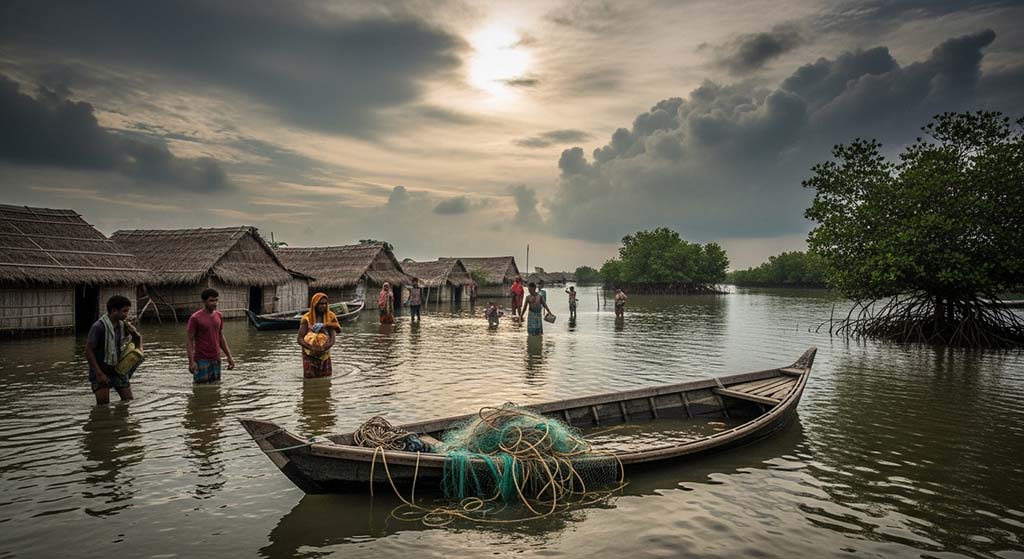
Global warming means the Earth’s temperature is slowly getting warmer. This is happening because of harmful gases in the air called greenhouse gases. These gases trap heat from the sun like a blanket around the Earth. People are making these gases by burning coal, oil, and gas in factories, cars, and power plants. Cutting down trees also makes the problem worse because trees help clean the air. Global warming is causing many problems. Ice is melting at the North and South Poles, making sea levels rise. Weather is becoming strange with more floods, droughts, and storms. Many animals are losing their homes. In Bangladesh, we are facing more cyclones and floods because of global warming. To stop global warming, we should plant more trees, use less electricity, walk or use bicycles more, and use clean energy like solar power. Everyone must help save our planet.
Key Vocabulary:
| English Word | Bangla Meaning |
|---|---|
| temperature | তাপমাত্রা |
| gases | গ্যাস |
| greenhouse gases | গ্রিনহাউস গ্যাস |
| melting | গলা |
| Poles | মেরু |
| floods | বন্যা |
| droughts | খরা |
| cyclones | ঘূর্ণিঝড় |
| energy | শক্তি |
Global Warming Paragraph for Class 7/8 (250 words)
Global warming is the gradual increase in Earth’s average temperature caused by the buildup of greenhouse gases in the atmosphere. These gases, mainly carbon dioxide and methane, act like a blanket that traps heat from the sun, preventing it from escaping back into space. This is called the greenhouse effect. While some greenhouse effect is natural and necessary for life, human activities have greatly increased these gases. Burning fossil fuels like coal, oil, and natural gas for transportation, electricity, and industry is the biggest cause. Deforestation also contributes because trees absorb carbon dioxide, and when we cut them down, this gas remains in the air. The effects of global warming are serious and widespread. Glaciers and ice sheets are melting, causing sea levels to rise and threatening coastal areas. Weather patterns are changing, leading to more extreme events like heatwaves, heavy rainfall, storms, and droughts. Many plant and animal species are struggling to survive as their habitats change. Bangladesh is particularly vulnerable to global warming. Rising sea levels could submerge large parts of our coastal regions. We are experiencing more frequent and intense cyclones. Agricultural production is affected by irregular weather, threatening food security. To combat global warming, we need to reduce emissions by using renewable energy sources like wind and solar power, improve energy efficiency, plant more trees, protect forests, use public transport, and minimize waste. Both government action and individual responsibility are needed to address this global crisis and protect our future.
Key Vocabulary:
| English Word | Bangla Meaning |
|---|---|
| gradual | ধীরে ধীরে |
| average | গড় |
| buildup | সঞ্চয় |
| greenhouse gases | গ্রিনহাউস গ্যাস |
| atmosphere | বায়ুমণ্ডল |
| methane | মিথেন |
| escaping | পালিয়ে যাওয়া |
| greenhouse effect | গ্রিনহাউস প্রভাব |
| fossil fuels | জীবাশ্ম জ্বালানি |
| transportation | পরিবহন |
| Deforestation | বন উজাড় |
| contributes | অবদান রাখে |
| absorb | শোষণ করা |
| widespread | ব্যাপক |
| Glaciers | হিমবাহ |
| threatening | হুমকি দেওয়া |
| heatwaves | তাপপ্রবাহ |
| rainfall | বৃষ্টিপাত |
| species | প্রজাতি |
| survive | টিকে থাকা |
| habitats | আবাসস্থল |
| vulnerable | ঝুঁকিপূর্ণ |
| submerge | ডুবিয়ে দেওয়া |
| intense | তীব্র |
| Agricultural | কৃষি সংক্রান্ত |
| irregular | অনিয়মিত |
| threatening | হুমকি দেওয়া |
| security | নিরাপত্তা |
| combat | মোকাবেলা করা |
| emissions | নিঃসরণ |
| renewable energy | নবায়নযোগ্য শক্তি |
| efficiency | দক্ষতা |
| transport | পরিবহন |
| minimize | কমানো |
| responsibility | দায়িত্ব |
Global Warming Paragraph for SSC Level (350 words)
Global warming refers to the long-term rise in Earth’s average surface temperature due to increased concentrations of greenhouse gases in the atmosphere. This phenomenon is primarily caused by human activities, making it one of the most pressing environmental challenges of our time. The greenhouse effect is a natural process where certain gases trap heat from the sun, keeping Earth warm enough to support life. However, since the Industrial Revolution, human activities have dramatically increased the levels of carbon dioxide, methane, nitrous oxide, and other greenhouse gases. The main culprits are burning fossil fuels for energy and transportation, deforestation, industrial processes, and agricultural practices like livestock farming. Scientific data shows that global temperatures have risen by about 1.1°C since pre-industrial times, with most of this warming occurring in recent decades. The consequences of global warming are profound and far-reaching. Polar ice caps and glaciers are melting at alarming rates, causing sea levels to rise approximately 3-4 mm per year. This threatens low-lying coastal regions with permanent inundation. Weather patterns are becoming more erratic and extreme, with increased frequency of heatwaves, hurricanes, floods, and droughts. These events cause devastating damage to infrastructure, agriculture, and human lives. Many ecosystems are disrupted, leading to species extinction and loss of biodiversity. Ocean waters are becoming warmer and more acidic, harming marine life. Bangladesh faces exceptional vulnerability to global warming. Sea-level rise could displace millions of people from coastal areas. More frequent and intense cyclones cause massive destruction. Saltwater intrusion into soil and freshwater sources affects agriculture and drinking water. Changing rainfall patterns impact crop production, threatening food security. Many people depend on climate-sensitive sectors like agriculture and fishing, making them economically vulnerable. Addressing global warming requires urgent and coordinated action at all levels. Mitigation strategies include transitioning to clean energy, improving energy efficiency, enhancing carbon sinks through reforestation, and developing sustainable practices in industry and agriculture. Adaptation measures are equally important, especially for vulnerable countries like Bangladesh. These include building climate-resilient infrastructure, developing drought-resistant and flood-tolerant crops, improving water management, and creating early warning systems. International cooperation through agreements like the Paris Agreement is essential. Individual actions like reducing energy consumption, using eco-friendly products, and supporting green initiatives also contribute to the solution.
Key Vocabulary:
| English Word | Bangla Meaning |
|---|---|
| concentrations | ঘনত্ব |
| phenomenon | ঘটনা |
| pressing | জরুরি |
| dramatically | নাটকীয়ভাবে |
| culprits | দোষী |
| deforestation | বন উজাড় |
| livestock | গবাদি পশু |
| pre-industrial | প্রাক-শিল্প |
| occurring | ঘটছে |
| consequences | পরিণাম |
| profound | গভীর |
| far-reaching | সুদূরপ্রসারী |
| Polar | মেরু |
| alarming | উদ্বেগজনক |
| approximately | প্রায় |
| threatens | হুমকি দেয় |
| permanent | স্থায়ী |
| inundation | প্লাবন |
| erratic | অনিয়মিত |
| hurricanes | হারিকেন |
| devastating | ধ্বংসাত্মক |
| infrastructure | অবকাঠামো |
| ecosystems | বাস্তুতন্ত্র |
| disrupted | ব্যাহত |
| extinction | বিলুপ্তি |
| biodiversity | জীববৈচিত্র্য |
| acidic | অম্লীয় |
| harming | ক্ষতি করা |
| marine | সামুদ্রিক |
| exceptional | ব্যতিক্রমী |
| vulnerability | দুর্বলতা |
| massive | বিশাল |
| Saltwater | লবণাক্ত পানি |
| intrusion | অনুপ্রবেশ |
| Changing | পরিবর্তনশীল |
| sensitive | সংবেদনশীল |
| Addressing | মোকাবেলা |
| urgent | জরুরি |
| coordinated | সমন্বিত |
| Mitigation | প্রশমন |
| transitioning | রূপান্তর |
| enhancing | বৃদ্ধি করা |
| sinks | শোষক |
| reforestation | পুনর্বনায়ন |
| sustainable | টেকসই |
| practices | অনুশীলন |
| Adaptation | অভিযোজন |
| resilient | সহনশীল |
| drought-resistant | খরা-প্রতিরোধী |
| flood-tolerant | বন্যা-সহনশীল |
| cooperation | সহযোগিতা |
| agreements | চুক্তি |
| consumption | ভোগ |
| eco-friendly | পরিবেশবান্ধব |
| initiatives | উদ্যোগ |
Global Warming Paragraph for HSC Level (450 words)
Global warming constitutes one of the most critical existential threats facing humanity, characterized by the sustained increase in Earth’s mean surface temperature resulting from anthropogenic emissions of greenhouse gases. This phenomenon represents a fundamental disruption of the planet’s climate system, with cascading effects on natural ecosystems, human societies, and economic structures worldwide. The underlying mechanism involves the enhanced greenhouse effect, whereby elevated atmospheric concentrations of carbon dioxide, methane, nitrous oxide, and fluorinated gases trap infrared radiation that would otherwise escape into space, thus warming the planet’s surface. Since the onset of the Industrial Revolution in the mid-18th century, human activities have increased atmospheric CO2 levels from approximately 280 parts per million to over 420 ppm, a 50% increase unprecedented in Earth’s recent geological history. The primary drivers include combustion of fossil fuels for energy generation and transportation, which accounts for roughly 75% of global emissions; deforestation and land-use changes that eliminate natural carbon sinks; industrial processes including cement production; and agricultural activities particularly livestock rearing and rice cultivation which produce significant methane emissions. The ramifications of global warming are multifaceted, interconnected, and intensifying. Instrumental temperature records confirm a warming of approximately 1.1°C above pre-industrial baselines, with projections indicating potential increases of 1.5-4.5°C by 2100 depending on emission trajectories. Cryospheric changes include accelerated melting of Greenland and Antarctic ice sheets, retreat of mountain glaciers, and diminishing Arctic sea ice, collectively contributing to sea-level rise currently averaging 3-4 mm annually. Thermal expansion of oceans further exacerbates this rise. Meteorological manifestations include increased frequency and intensity of extreme weather events such as heatwaves, droughts, wildfires, hurricanes, and precipitation extremes. Ecosystem disruption is evident in shifting species distributions, phenological changes, coral bleaching, and heightened extinction risks. Ocean acidification, resulting from increased dissolved CO2, threatens marine biodiversity and fisheries. Bangladesh exemplifies the disproportionate vulnerability of developing nations, facing existential risks from global warming despite minimal historical contribution to emissions. The country’s low-lying deltaic geography, with significant portions barely above sea level, faces imminent threats from rising oceans that could potentially inundate 17-20% of land area and displace 30 million people by mid-century. The Bay of Bengal region experiences increasingly intense tropical cyclones amplified by warmer waters, causing catastrophic human and economic losses. Salinization of coastal zones compromises agricultural productivity and freshwater availability. Altered monsoon patterns and glacial melt dynamics in the Himalayas affect river flows, irrigation, and hydropower generation. Health impacts include heat stress, proliferation of vector-borne diseases, and food insecurity. Economic sectors, particularly agriculture sustaining 40% of employment, face severe disruption. Addressing global warming necessitates comprehensive mitigation and adaptation strategies. Mitigation requires transformative decarbonization across all sectors through aggressive deployment of renewable energy technologies, electrification of transportation, carbon capture and storage, enhancement of natural carbon sinks through afforestation and wetland restoration, and transition to sustainable agricultural and industrial practices. The Paris Agreement framework aims to limit warming to well below 2°C, ideally 1.5°C, through nationally determined contributions. For Bangladesh, adaptation is imperative, encompassing resilient infrastructure including elevated embankments and polders, climate-smart agriculture with salt-tolerant and submergence-resistant crop varieties, improved water resource management, comprehensive early warning systems, and planned relocation from highly vulnerable coastal zones. Fundamental to addressing global warming is the principle of climate justice, recognizing that industrialized nations bear historical responsibility for the bulk of emissions and must provide substantial climate finance, facilitate technology transfer, and support capacity building in developing countries. Ultimately, mitigating global warming and building resilience demands unprecedented international cooperation, radical transformation of energy systems and consumption patterns, scientific innovation, and collective commitment to intergenerational equity and planetary sustainability.
Key Vocabulary:
| English Word | Bangla Meaning |
|---|---|
| constitutes | গঠন করে |
| critical | সংকটপূর্ণ |
| existential | অস্তিত্বের |
| characterized | বৈশিষ্ট্যযুক্ত |
| sustained | টেকসই |
| anthropogenic | মানবসৃষ্ট |
| phenomenon | ঘটনা |
| fundamental | মৌলিক |
| disruption | ব্যাঘাত |
| cascading | ক্রমবর্ধমান |
| ecosystems | বাস্তুতন্ত্র |
| underlying | অন্তর্নিহিত |
| fluorinated | ফ্লোরিনেটেড |
| infrared radiation | ইনফ্রারেড বিকিরণ |
| warming | উষ্ণতা |
| unprecedented | অভূতপূর্ব |
| geological | ভূতাত্ত্বিক |
| drivers | চালক |
| combustion | দহন |
| deforestation | বন উজাড় |
| eliminate | নির্মূল করা |
| cement | সিমেন্ট |
| livestock | গবাদি পশু |
| rearing | পালন |
| cultivation | চাষ |
| significant | উল্লেখযোগ্য |
| ramifications | পরিণতি |
| multifaceted | বহুমুখী |
| interconnected | আন্তঃসংযুক্ত |
| intensifying | তীব্রতর হচ্ছে |
| Instrumental | যন্ত্রসহায়ক |
| pre-industrial | প্রাক-শিল্প |
| baselines | প্রাথমিক স্তর |
| projections | প্রাক্কলন |
| trajectories | গতিপথ |
| Cryospheric | হিমস্তর |
| accelerated | ত্বরান্বিত |
| Greenland | গ্রিনল্যান্ড |
| retreat | পিছু হটা |
| diminishing | হ্রাস পাচ্ছে |
| collectively | যৌথভাবে |
| contributing | অবদান রাখা |
| averaging | গড়ে |
| Thermal expansion | তাপীয় সম্প্রসারণ |
| exacerbates | আরও খারাপ করে |
| Meteorological | আবহাওয়া সংক্রান্ত |
| manifestations | প্রকাশ |
| heatwaves | তাপপ্রবাহ |
| droughts | খরা |
| wildfires | দাবানল |
| precipitation | বৃষ্টিপাত |
| Ecosystem disruption | বাস্তুতন্ত্র ব্যাঘাত |
| evident | স্পষ্ট |
| shifting | পরিবর্তনশীল |
| species distributions | প্রজাতি বিতরণ |
| phenological | ফেনোলজিক্যাল |
| coral | প্রবাল |
| heightened | বর্ধিত |
| acidification | অম্লীকরণ |
| dissolved | দ্রবীভূত |
| biodiversity | জীববৈচিত্র্য |
| fisheries | মৎস্য শিল্প |
| exemplifies | প্রতীক |
| disproportionate | অসামঞ্জস্যপূর্ণ |
| existential | অস্তিত্বের |
| historical | ঐতিহাসিক |
| contribution | অবদান |
| geography | ভূগোল |
| imminent | আসন্ন |
| inundate | প্লাবিত করা |
| amplified | বর্ধিত |
| catastrophic | বিপর্যয়কর |
| Salinization | লবণাক্তকরণ |
| compromises | ক্ষতিগ্রস্ত করে |
| productivity | উৎপাদনশীলতা |
| availability | প্রাপ্যতা |
| Altered | পরিবর্তিত |
| melt | গলন |
| irrigation | সেচ |
| hydropower | জলবিদ্যুৎ |
| stress | চাপ |
| proliferation | বিস্তার |
| vector-borne | বাহক-বাহিত |
| insecurity | অনিরাপত্তা |
| sectors | খাত |
| sustaining | টিকিয়ে রাখা |
| severe | তীব্র |
| disruption | ব্যাঘাত |
| Addressing | মোকাবেলা |
| necessitates | প্রয়োজন করে |
| comprehensive | ব্যাপক |
| mitigation | প্রশমন |
| transformative | রূপান্তরকারী |
| decarbonization | কার্বনমুক্তকরণ |
| aggressive | আক্রমণাত্মক |
| deployment | স্থাপন |
| electrification | বিদ্যুতায়ন |
| capture | ধারণ |
| storage | সংরক্ষণ |
| enhancement | উন্নতি |
| afforestation | বনায়ন |
| wetland | জলাভূমি |
| restoration | পুনরুদ্ধার |
| transition | রূপান্তর |
| sustainable | টেকসই |
| practices | অনুশীলন |
| framework | কাঠামো |
| ideally | আদর্শভাবে |
| nationally | জাতীয়ভাবে |
| determined | নির্ধারিত |
| imperative | অপরিহার্য |
| encompassing | অন্তর্ভুক্ত করা |
| resilient | সহনশীল |
| elevated | উঁচু |
| embankments | বাঁধ |
| polders | পোল্ডার |
| tolerant | সহনশীল |
| resistant | প্রতিরোধী |
| comprehensive | ব্যাপক |
| planned | পরিকল্পিত |
| relocation | স্থানান্তর |
| highly vulnerable | অত্যন্ত ঝুঁকিপূর্ণ |
| Fundamental | মৌলিক |
| principle | নীতি |
| justice | ন্যায়বিচার |
| recognizing | স্বীকৃতি দেওয়া |
| industrialized | শিল্পোন্নত |
| historical | ঐতিহাসিক |
| substantial | উল্লেখযোগ্য |
| facilitate | সহজ করা |
| Ultimately | শেষ পর্যন্ত |
| mitigating | প্রশমন |
| resilience | স্থিতিস্থাপকতা |
| unprecedented | অভূতপূর্ব |
| cooperation | সহযোগিতা |
| radical | মৌলিক |
| transformation | রূপান্তর |
| consumption | ভোগ |
| scientific | বৈজ্ঞানিক |
| collective | যৌথ |
| intergenerational | আন্তঃপ্রজন্মীয় |
| equity | সাম্য |
| planetary | গ্রহীয় |
| sustainability | টেকসইতা |
Exam-Style FAQs on Global Warming
Q1: What is global warming and what causes it?
Answer: Global warming is the gradual increase in Earth’s temperature caused by greenhouse gases trapping heat in the atmosphere. Human activities like burning fossil fuels and deforestation are the main causes.
Key Vocabulary: gradual = ধীরে ধীরে, greenhouse gases = গ্রিনহাউস গ্যাস, atmosphere = বায়ুমণ্ডল, fossil fuels = জীবাশ্ম জ্বালানি, deforestation = বন উজাড়
Q2: What is the greenhouse effect?
Answer: The greenhouse effect is when certain gases in the atmosphere trap heat from the sun, preventing it from escaping into space, thus warming the Earth’s surface.
Key Vocabulary: greenhouse effect = গ্রিনহাউস প্রভাব, atmosphere = বায়ুমণ্ডল, escaping = পালিয়ে যাওয়া, warming = উষ্ণতা
Q3: What are the main greenhouse gases responsible for global warming?
Answer: The main greenhouse gases are carbon dioxide from burning fossil fuels, methane from agriculture and livestock, and nitrous oxide from industrial activities and fertilizers.
Key Vocabulary: greenhouse gases = গ্রিনহাউস গ্যাস, carbon dioxide = কার্বন ডাই-অক্সাইড, methane = মিথেন, livestock = গবাদি পশু, nitrous oxide = নাইট্রাস অক্সাইড
Q4: What are the major effects of global warming on Earth?
Answer: Major effects include melting glaciers, rising sea levels, extreme weather events like heatwaves and storms, ecosystem disruption, species extinction, and ocean acidification.
Key Vocabulary: glaciers = হিমবাহ, extreme weather = চরম আবহাওয়া, heatwaves = তাপপ্রবাহ, ecosystem = বাস্তুতন্ত্র, extinction = বিলুপ্তি, acidification = অম্লীকরণ
Q5: Why is Bangladesh particularly vulnerable to global warming?
Answer: Bangladesh is vulnerable due to its low-lying geography, dense population, dependence on agriculture, and extensive coastal areas threatened by sea-level rise and intense cyclones.
Key Vocabulary: vulnerable = ঝুঁকিপূর্ণ, geography = ভূগোল, dependence = নির্ভরশীলতা, coastal = উপকূলীয়, cyclones = ঘূর্ণিঝড়
Q6: How does global warming affect agriculture in Bangladesh?
Answer: Global warming causes irregular rainfall, droughts, saltwater intrusion into soil, and changing monsoon patterns, all of which reduce crop productivity and threaten food security.
Key Vocabulary: irregular = অনিয়মিত, rainfall = বৃষ্টিপাত, droughts = খরা, saltwater intrusion = লবণাক্ত পানির অনুপ্রবেশ, productivity = উৎপাদনশীলতা
Q7: What is the difference between global warming and climate change?
Answer: Global warming specifically refers to rising temperatures, while climate change includes all long-term changes in weather patterns, precipitation, and extreme events caused by global warming.
Key Vocabulary: global warming = বৈশ্বিক উষ্ণতা, climate change = জলবায়ু পরিবর্তন, precipitation = বৃষ্টিপাত, extreme events = চরম ঘটনা
Q8: What mitigation strategies can reduce global warming?
Answer: Mitigation strategies include transitioning to renewable energy, improving energy efficiency, protecting and restoring forests, reducing fossil fuel use, and adopting sustainable practices.
Key Vocabulary: mitigation = প্রশমন, transitioning = রূপান্তর, renewable energy = নবায়নযোগ্য শক্তি, efficiency = দক্ষতা, sustainable = টেকসই
Q9: What adaptation measures can Bangladesh take for global warming?
Answer: Bangladesh needs climate-resilient infrastructure, elevated embankments, drought-resistant and flood-tolerant crops, improved water management, early warning systems, and planned relocation from vulnerable areas.
Key Vocabulary: adaptation = অভিযোজন, resilient = সহনশীল, embankments = বাঁধ, drought-resistant = খরা-প্রতিরোধী, flood-tolerant = বন্যা-সহনশীল, relocation = স্থানান্তর
Q10: What is climate justice and why is it important?
Answer: Climate justice recognizes that industrialized nations caused most emissions and should provide climate finance, technology transfer, and support to vulnerable developing countries like Bangladesh.
Key Vocabulary: climate justice = জলবায়ু ন্যায়বিচার, industrialized = শিল্পোন্নত, emissions = নিঃসরণ, finance = অর্থায়ন, technology transfer = প্রযুক্তি হস্তান্তর, vulnerable = ঝুঁকিপূর্ণ