




বাংলাদেশি শিক্ষার্থীদের জন্য Food Adulteration Paragraph টি লেখাটি খুব সহজ ভাষায় প্রস্তুত করা হয়েছে। গুরুত্বপূর্ণ শব্দগুলো Bold করে প্রতিটি Paragraph এর পরে শব্দার্থসহ হয়েছে, যাতে শিক্ষার্থীরা সহজে বুঝে শিখতে পারে। এখানে ক্লাস স্ট্যান্ডার্ড অনুযায়ী প্যারাগ্রাফগুলো লেখা হয়েছে। তবে শিক্ষার্থী তার চাহিদা ও সক্ষমতা অনুযায়ী ছোট বা বড় যেকোনো প্যারাগ্রাফ বেছে নিয়ে শিখতে পারে। প্রতিটি Paragraph মানসম্মত ও শেখার জন্য উপযোগী।
Food Adulteration Paragraph – For Class 6 & 7 (158 words)
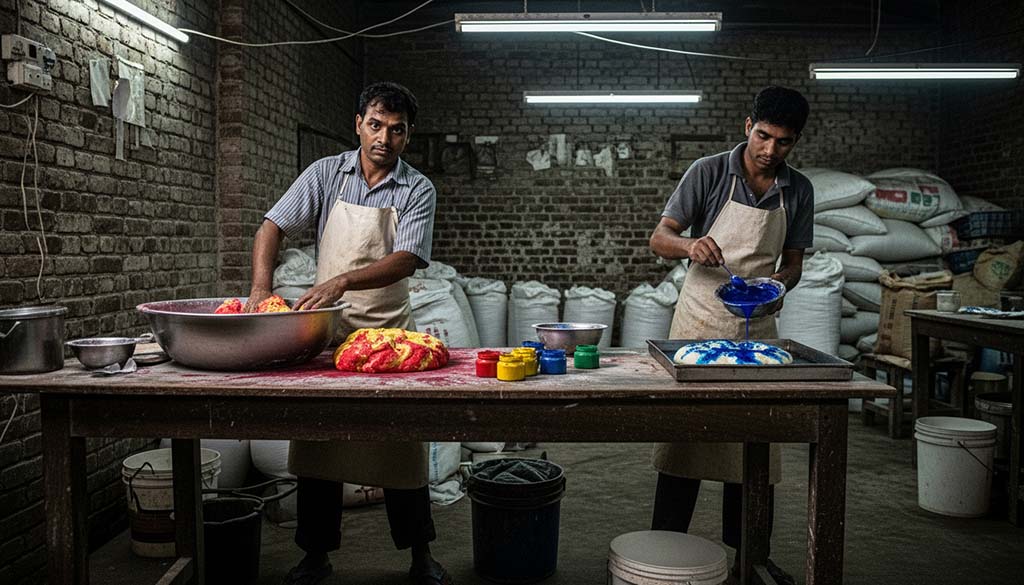
Food adulteration means mixing harmful things in our food to earn more money. Many dishonest sellers add bad chemicals to make food look fresh and colorful. For example, some people mix formalin in fish to keep it fresh for long time. Also, they add textile colors in sweets and candies to make them bright and attractive. Moreover, some shopkeepers mix brick powder in chili powder to increase weight and sell more.
This adulterated food is very dangerous for our health. When we eat such food, we become sick with different diseases. Children can get stomach pain and fever quickly. Then, older people may face kidney problems and liver damage. Because of food adulteration, many people in Bangladesh suffer every day. So, we must be careful when buying food from market. We should check food quality before eating. The government should punish those who sell adulterated food. Everyone must work together to stop this crime and protect our health.
Vocabulary Table:
| English Word | Bangla Meaning |
|---|---|
| Food adulteration | খাদ্যে ভেজাল |
| Harmful | ক্ষতিকর |
| Dishonest | অসৎ |
| Chemicals | রাসায়নিক পদার্থ |
| Formalin | ফরমালিন |
| Textile colors | কাপড়ের রং |
| Brick powder | ইটের গুঁড়া |
| Adulterated food | ভেজাল খাদ্য |
| Dangerous | বিপজ্জনক |
| Sick | অসুস্থ |
| Fever | জ্বর |
| Kidney problems | কিডনির সমস্যা |
| Careful | সতর্ক |
| Government | সরকার |
| Crime | অপরাধ |
Food Adulteration Paragraph – For Class 7 & 8 (255 words)
Food adulteration is a serious problem in Bangladesh that affects millions of people daily. Adulteration means mixing cheap and harmful substances in food items to make more profit. Greedy businessmen and dishonest sellers do this illegal activity without thinking about people’s health. For example, many fish sellers use formalin to preserve fish for many days. Also, sweet makers add artificial colors that are made for textiles, not for eating. Moreover, some people mix sand in rice and chicory powder in tea leaves. Then, oil sellers mix palm oil with mustard oil to sell at higher prices. Because these adulterants are very harmful, they cause many diseases in our body.
Children who eat adulterated food may get food poisoning and diarrhea immediately. When people eat such food regularly, they develop serious health problems like cancer, heart disease, and liver damage. Our immune system becomes weak and cannot fight against infections. So, thousands of people visit hospitals every month because of eating bad food. The Mobile Court tries to catch dishonest sellers, but the problem continues. We need strict laws and proper punishment to stop this crime completely. Also, people should be aware and learn how to identify adulterated food. For instance, we can test milk by adding water or check spices by their smell. Moreover, the government should arrange awareness programs in schools and communities. Everyone has the responsibility to report food adulteration to authorities. If we all work together with honesty and awareness, we can create a safe food environment for future generations in Bangladesh.
Vocabulary Table:
| English Word | Bangla Meaning |
|---|---|
| Food adulteration | খাদ্যে ভেজাল |
| Problem | সমস্যা |
| Adulteration | ভেজাল মেশানো |
| Cheap | সস্তা |
| Harmful substances | ক্ষতিকর পদার্থ |
| Profit | লাভ |
| Greedy businessmen | লোভী ব্যবসায়ী |
| Illegal | বেআইনি |
| Formalin | ফরমালিন |
| Artificial colors | কৃত্রিম রং |
| Sand | বালি |
| Chicory powder | চিকোরি গুঁড়া |
| Palm oil | পাম তেল |
| Mustard oil | সরিষার তেল |
| Adulterants | ভেজাল পদার্থ |
| Diseases | রোগ |
| Food poisoning | খাদ্যে বিষক্রিয়া |
| Diarrhea | ডায়রিয়া |
| Cancer | ক্যান্সার |
| Heart disease | হৃদরোগ |
| Liver damage | যকৃতের ক্ষতি |
| Immune system | রোগ প্রতিরোধ ক্ষমতা |
| Mobile Court | ভ্রাম্যমাণ আদালত |
| Strict laws | কঠোর আইন |
| Proper punishment | যথাযথ শাস্তি |
| Aware | সচেতন |
| Awareness programs | সচেতনতা কর্মসূচি |
| Responsibility | দায়িত্ব |
| Honesty | সততা |
| Awareness | সচেতনতা |
Food Adulteration Paragraph – For Class 9 & 10 (375 words)
Food adulteration has become one of the most serious public health hazards in Bangladesh, affecting people from all walks of life. This unethical practice involves mixing inferior, harmful, or forbidden substances into food products to increase quantity and reduce production costs. Unscrupulous traders and manufacturers engage in this criminal activity purely for financial gain, completely ignoring the severe health consequences for consumers. The extent of food adulteration in our country is truly alarming and widespread. For example, fish and meat are treated with formalin to prevent decomposition and extend their shelf life artificially. Also, fruits like mangoes, bananas, and apples are ripened using dangerous carbide instead of natural methods.
Moreover, milk is often diluted with water and mixed with starch or detergent to increase volume. Then, spices such as turmeric powder contain lead chromate to enhance color, while chili powder is mixed with brick dust to add weight. When we look at sweets and bakery items, we find textile dyes instead of food-grade colors. Because of consuming these contaminated foods regularly, people face catastrophic health problems. The immediate effects include nausea, vomiting, stomach pain, and food poisoning that send thousands to emergency rooms monthly.
However, the long-term effects are even more frightening and include serious conditions like kidney failure, liver cirrhosis, neurological disorders, and various types of cancer. Children are especially vulnerable because their bodies are still developing, and adulterated food can cause stunted growth and learning disabilities. So, the future generation of Bangladesh is at great risk. The government has established BSTI (Bangladesh Standards and Testing Institution) and mobile courts to monitor food quality, but enforcement remains weak due to corruption and lack of resources.
Therefore, we need comprehensive measures to combat this menace effectively. Public awareness campaigns should teach people how to identify adulterated products through simple tests. Also, stringent penalties including heavy fines and imprisonment must be imposed on offenders. Moreover, regular inspections of markets, warehouses, and processing units should be conducted. Furthermore, consumers should buy food from reliable sources and check for quality certification marks. If every citizen remains vigilant and reports suspicious activities to authorities, and if the government implements zero-tolerance policy against food adulterators, we can hope for a healthier and safer food system in Bangladesh.
Vocabulary Table:
| English Word | Bangla Meaning |
|---|---|
| Food adulteration | খাদ্যে ভেজাল |
| Public health hazards | জনস্বাস্থ্য ঝুঁকি |
| Unethical practice | অনৈতিক কাজ |
| Inferior | নিম্নমানের |
| Harmful | ক্ষতিকর |
| Forbidden substances | নিষিদ্ধ পদার্থ |
| Quantity | পরিমাণ |
| Production costs | উৎপাদন খরচ |
| Unscrupulous traders | অসৎ ব্যবসায়ী |
| Manufacturers | উৎপাদনকারী |
| Financial gain | আর্থিক লাভ |
| Consequences | পরিণতি |
| Extent | ব্যাপকতা |
| Formalin | ফরমালিন |
| Decomposition | পচন |
| Shelf life | সংরক্ষণকাল |
| Carbide | কার্বাইড |
| Starch | মাড় |
| Detergent | ডিটারজেন্ট |
| Lead chromate | সীসা ক্রোমেট |
| Brick dust | ইটের গুঁড়া |
| Textile dyes | কাপড়ের রং |
| Contaminated foods | দূষিত খাবার |
| Catastrophic | বিপর্যয়কর |
| Nausea | বমি বমি ভাব |
| Vomiting | বমি |
| Long-term effects | দীর্ঘমেয়াদী প্রভাব |
| Kidney failure | কিডনি বিকল |
| Neurological disorders | স্নায়ুতন্ত্রের রোগ |
| Vulnerable | ঝুঁকিপূর্ণ |
| Developing | বিকাশমান |
| Stunted growth | বৃদ্ধি ব্যাহত |
| Learning disabilities | শেখার অক্ষমতা |
| BSTI | বাংলাদেশ মান পরীক্ষা প্রতিষ্ঠান |
| Mobile courts | ভ্রাম্যমাণ আদালত |
| Enforcement | প্রয়োগ |
| Corruption | দুর্নীতি |
| Comprehensive measures | সার্বিক ব্যবস্থা |
| Stringent penalties | কঠোর শাস্তি |
| Imprisonment | কারাদণ্ড |
| Inspections | পরিদর্শন |
| Processing units | প্রক্রিয়াকরণ কেন্দ্র |
| Reliable sources | বিশ্বস্ত উৎস |
| Quality certification | মান সনদ |
| Citizen | নাগরিক |
| Zero-tolerance policy | শূন্য সহনশীলতা নীতি |
Food Adulteration Paragraph – For Class 11 & 12 (588 words)
Food adulteration represents one of the most pressing socio-economic challenges facing Bangladesh today, threatening the health and wellbeing of millions of citizens across the nation. This heinous practice involves the deliberate contamination or degradation of food products through the addition of substandard, toxic, or non-permissible substances with the sole motive of increasing profits at the expense of consumer safety. Merchants, suppliers, and even some manufacturers participate in this organized crime that has reached epidemic proportions in our society.
The manifestations of food adulteration in Bangladesh are diverse and deeply concerning. For instance, formalin, a carcinogenic chemical used for preserving dead bodies, is routinely applied to fish, meat, and fruits to prevent spoilage and maintain freshness artificially. Also, calcium carbide, an extremely dangerous industrial chemical, is widely used to ripen fruits like mangoes and bananas instead of allowing natural ripening processes. Moreover, synthetic colors meant for textile industries find their way into sweets, ice creams, and beverages, making them visually appealing but highly toxic. Then, essential commodities like milk are diluted with contaminated water and thickened with urea, detergent, or even formalin to mimic natural consistency.
When we examine spices, we discover that turmeric contains lead chromate for bright yellow color, while red chili powder is adulterated with Sudan red dye and brick powder. Because edible oils are expensive, traders mix cheaper palm oil or soybean oil with premium oils like mustard oil or ghee. The health implications of consuming adulterated food are both immediate and far-reaching, creating a silent epidemic of diseases. Short-term effects include acute gastroenteritis, food poisoning, allergic reactions, and respiratory problems that overwhelm our healthcare system daily.
However, the long-term consequences are far more devastating and include chronic conditions such as kidney and liver damage, cardiovascular diseases, reproductive disorders, cognitive impairment, and various forms of cancer. Children and pregnant women are particularly susceptible because their bodies have lower tolerance levels, and exposure to these toxins can cause developmental delays, congenital abnormalities, and permanent organ damage. So, an entire generation’s health and productivity are at stake. The regulatory framework in Bangladesh includes institutions like BSTI, the Department of Health, and mobile courts, but implementation remains severely compromised due to inadequate resources, bureaucratic inefficiency, and widespread corruption within the system.
Therefore, a multi-pronged approach is essential to address this crisis effectively. First, the government must strengthen surveillance mechanisms and conduct frequent random inspections at every level of the food supply chain, from production to retail. Second, penalties for food adulteration should be made extremely severe, including mandatory imprisonment and business license revocation, to create genuine deterrence. Third, forensic laboratories with advanced testing equipment must be established across the country to enable quick detection of adulterants.
Moreover, comprehensive consumer education programs should be launched through media, schools, and community centers to help people identify and avoid adulterated products. Furthermore, encouraging organic farming and supporting small-scale producers who follow ethical practices can create alternatives to industrial food production. Additionally, establishing a whistleblower protection system would encourage insiders to report adulteration without fear of retaliation. When consumers become more conscious and demand transparency and quality, market forces will naturally favor honest businesses.
The media plays a crucial role in investigative journalism that exposes adulterators and creates public pressure for action. If we combine strong political will, effective law enforcement, public participation, and technological innovation in food testing, Bangladesh can overcome this menace and ensure food security and safety for all its citizens, thereby building a healthier and more prosperous nation for future generations.
Vocabulary Table:
| English Word | Bangla Meaning |
|---|---|
| Food adulteration | খাদ্যে ভেজাল |
| Socio-economic challenges | সামাজিক-অর্থনৈতিক চ্যালেঞ্জ |
| Heinous practice | জঘন্য কাজ |
| Contamination | দূষণ |
| Degradation | অবনতি |
| Substandard | মানহীন |
| Toxic | বিষাক্ত |
| Non-permissible substances | অনুমোদনহীন পদার্থ |
| Motive | উদ্দেশ্য |
| Merchants | বণিক |
| Suppliers | সরবরাহকারী |
| Manufacturers | প্রস্তুতকারক |
| Epidemic proportions | মহামারীর মাত্রা |
| Manifestations | প্রকাশ |
| Formalin | ফরমালিন |
| Carcinogenic chemical | ক্যান্সার সৃষ্টিকারী রাসায়নিক |
| Calcium carbide | কैলসিয়াম কার্বাইড |
| Synthetic colors | কৃত্রিম রং |
| Commodities | পণ্য |
| Urea | ইউরিয়া |
| Detergent | ডিটারজেন্ট |
| Lead chromate | সীসা ক্রোমেট |
| Sudan red dye | সুদান লাল রং |
| Palm oil | পাম তেল |
| Soybean oil | সয়াবিন তেল |
| Mustard oil | সরিষার তেল |
| Ghee | ঘি |
| Implications | প্রভাব |
| Silent epidemic | নীরব মহামারী |
| Gastroenteritis | পাকস্থলী ও অন্ত্রের প্রদাহ |
| Allergic reactions | এলার্জি প্রতিক্রিয়া |
| Respiratory problems | শ্বাসকষ্ট সমস্যা |
| Reproductive disorders | প্রজনন সমস্যা |
| Cognitive impairment | মানসিক দুর্বলতা |
| Susceptible | সংবেদনশীল |
| Tolerance levels | সহ্য ক্ষমতা |
| Developmental delays | বিকাশে বিলম্ব |
| Congenital abnormalities | জন্মগত ত্রুটি |
| Productivity | উৎপাদনশীলতা |
| Regulatory framework | নিয়ন্ত্রক কাঠামো |
| BSTI | বাংলাদেশ মান পরীক্ষা প্রতিষ্ঠান |
| Department of Health | স্বাস্থ্য অধিদপ্তর |
| Implementation | বাস্তবায়ন |
| Compromised | বিঘ্নিত |
| Bureaucratic inefficiency | আমলাতান্ত্রিক অদক্ষতা |
| Multi-pronged approach | বহুমুখী পন্থা |
| Surveillance mechanisms | নজরদারি ব্যবস্থা |
| Random inspections | হঠাৎ পরিদর্শন |
| Penalties | জরিমানা |
| Imprisonment | কারাদণ্ড |
| Revocation | বাতিলকরণ |
| Deterrence | নিবৃত্তকরণ |
| Forensic laboratories | ফরেনসিক পরীক্ষাগার |
| Consumer education programs | ভোক্তা শিক্ষা কর্মসূচি |
| Organic farming | জৈব চাষ |
| Whistleblower protection system | তথ্য প্রদানকারী সুরক্ষা ব্যবস্থা |
| Transparency | স্বচ্ছতা |
| Media | গণমাধ্যম |
| Investigative journalism | অনুসন্ধানী সাংবাদিকতা |
| Political will | রাজনৈতিক সদিচ্ছা |
| Innovation | উদ্ভাবন |
| Food security | খাদ্য নিরাপত্তা |
| Prosperous | সমৃদ্ধ |
FAQ Section on Food Adulteration Paragraph
Q1: What is food adulteration?
Answer: Food adulteration means mixing harmful or cheap substances in food to earn more profit. This practice makes food dangerous and unhealthy for eating.
Q2: Why do people adulterate food?
Answer: People adulterate food mainly to make quick money and increase profits. They care only about earning money and ignore people’s health and safety completely.
Q3: What are common adulterants used in Bangladesh?
Answer: Common adulterants include formalin in fish, textile colors in sweets, brick powder in spices, and carbide in fruits. These chemicals are very harmful and cause serious health problems.
Q4: How does adulterated food affect our health?
Answer: Adulterated food causes immediate problems like stomach pain, vomiting, and diarrhea. Long-term consumption leads to kidney damage, liver disease, cancer, and other serious illnesses.
Q5: How can we identify adulterated food?
Answer: We can test milk by adding water, check spices by smell, and observe unnatural colors in food. Fresh fish should not smell like chemicals and fruits should ripen naturally.
Q6: What is formalin and why is it dangerous?
Answer: Formalin is a chemical used to preserve dead bodies in hospitals. When used in food, it causes cancer and damages kidneys, liver, and other organs.
Q7: What should the government do to stop food adulteration?
Answer: The government should make strict laws, conduct regular market inspections, and punish adulterators severely. Mobile courts and awareness programs should be increased across the country.
Q8: How can students help prevent food adulteration?
Answer: Students can spread awareness by educating family members and friends about adulterated food. They should report suspicious food sellers to authorities and avoid buying from unreliable shops.
Q9: What is the role of BSTI in controlling food quality?
Answer: BSTI (Bangladesh Standards and Testing Institution) tests food quality and sets standards for food products. It certifies safe food and helps identify adulterated items in markets.
Q10: Why are children more affected by adulterated food?
Answer: Children have weaker immune systems and their bodies are still growing and developing. Adulterated food can cause stunted growth, learning problems, and permanent organ damage in children.