





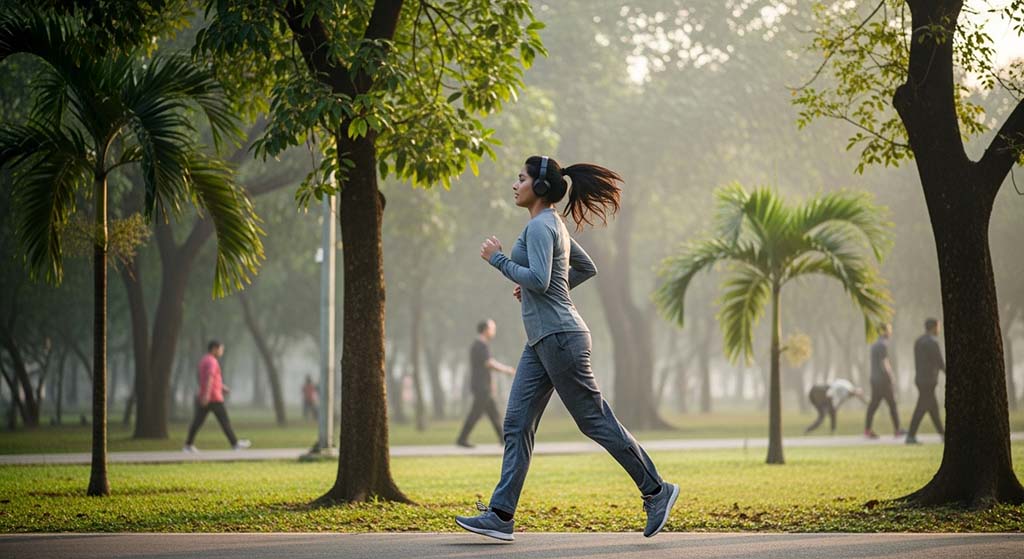
The Benefits of Morning Walk – Dialogue for Class 6 & 7 (100 words)
Rony: Hello Mina! I saw you walking in the park this morning. What were you doing?
Mina: I was doing morning walk! I do it every day.
Rony: Why do you walk every morning?
Mina: Morning walk is very good for health. The morning air is fresh and clean. It makes me feel energetic.
Rony: What are the benefits?
Mina: It makes my body strong. My mind becomes clear. I can study better. It also helps me sleep well at night.
Rony: How long do you walk?
Mina: I walk for 30 minutes. You should also try it. Come with me tomorrow morning!
Key Vocabulary:
| English Word | Bangla Meaning |
|---|---|
| morning | সকাল |
| walk | হাঁটা |
| good | ভালো |
| health | স্বাস্থ্য |
| air | বাতাস |
| fresh | সতেজ |
| clean | পরিষ্কার |
| energetic | প্রাণবন্ত |
| benefits | উপকার |
| body | শরীর |
| strong | শক্তিশালী |
| mind | মন |
| clear | পরিষ্কার |
| study | পড়া |
| sleep | ঘুম |
The Benefits of Morning Walk – Dialogue for Class 7 & 8 (200 words)
Sabbir: Good morning, Ayesha! You look very fresh and cheerful today.
Ayesha: Good morning! Yes, I just returned from my morning walk. I’ve been doing it for three months now.
Sabbir: What made you start this habit?
Ayesha: My doctor advised me to walk regularly. I was feeling weak and getting tired quickly. Now I feel much better.
Sabbir: Can you tell me about the benefits you’ve noticed?
Ayesha: Sure! First, my physical health has improved. My digestion is better and I don’t get sick often. Second, it helps me control my weight. Third, my concentration in class has increased a lot.
Sabbir: What about mental health?
Ayesha: Morning walk is excellent for mental health! The peaceful environment in the morning makes me feel calm. My stress reduces. I feel positive throughout the day. I also meet neighbors and make new friends during walks.
Sabbir: What’s the best time for morning walk?
Ayesha: Early morning between 5:30 to 7:00 AM is best. The air has more oxygen then. The temperature is pleasant. Parks and roads are less crowded too.
Sabbir: Where do you walk?
Ayesha: I walk in Ramna Park near my house. You can walk anywhere—in parks, on roads, or even in your neighborhood. Just wear comfortable shoes and start slowly.
Sabbir: Thanks for the motivation! I’ll join you from tomorrow.
Key Vocabulary:
| English Word | Bangla Meaning |
|---|---|
| fresh | সতেজ |
| cheerful | প্রফুল্ল |
| habit | অভ্যাস |
| advised | পরামর্শ দিয়েছিলেন |
| weak | দুর্বল |
| tired | ক্লান্ত |
| benefits | উপকার |
| physical | শারীরিক |
| health | স্বাস্থ্য |
| improved | উন্নত হয়েছে |
| digestion | হজম |
| sick | অসুস্থ |
| control | নিয়ন্ত্রণ করা |
| concentration | মনোযোগ |
| mental | মানসিক |
| excellent | চমৎকার |
| peaceful | শান্তিপূর্ণ |
| environment | পরিবেশ |
| calm | শান্ত |
| stress | মানসিক চাপ |
| reduces | কমায় |
| positive | ইতিবাচক |
| oxygen | অক্সিজেন |
| temperature | তাপমাত্রা |
| pleasant | আনন্দদায়ক |
| crowded | ভিড় |
| neighborhood | প্রতিবেশী এলাকা |
| comfortable | আরামদায়ক |
| slowly | ধীরে |
| motivation | প্রেরণা |
The Benefits of Morning Walk – Dialogue for Class 9 & 10 / SSC (300 words)
Hasan: Assalamu alaikum, Rima! I’ve been observing that you’re always so active and alert in class. What’s your secret?
Rima: Walaikum assalam! The secret is simple—I go for morning walks regularly. This simple habit has transformed my life completely.
Hasan: Can you explain the scientific benefits of morning walk?
Rima: Definitely! Morning walk is a complete exercise that benefits our whole body. When we walk, our heart pumps blood faster, which strengthens the cardiovascular system. It improves blood circulation to all organs including the brain. This is why we feel more alert and can concentrate better.
Hasan: Does it help in preventing diseases?
Rima: Absolutely! Regular morning walks help prevent many serious diseases. It reduces the risk of heart disease, diabetes, high blood pressure, and obesity. It strengthens our immune system, so we don’t fall sick easily. For students, it’s particularly beneficial because it improves metabolism and keeps us energetic.
Hasan: What about psychological benefits?
Rima: Morning walks have amazing psychological effects! Walking in the morning releases endorphins, which are natural mood elevators. It reduces anxiety, depression, and stress. The peaceful morning atmosphere with chirping birds and green surroundings creates a positive impact on our mind. Many students face exam pressure—morning walks help manage this stress effectively.
Hasan: I’ve heard it helps with academics too. Is that true?
Rima: Yes! When we walk, blood circulation to the brain increases. This enhances our memory, creativity, and problem-solving abilities. Many famous scientists and writers used to walk regularly because it helped them think clearly. Students who walk regularly often show better academic performance.
Hasan: What precautions should we take while walking?
Rima: Good question! First, choose a safe location like a park or footpath. Wear comfortable, breathable clothes and proper walking shoes. Start slowly if you’re a beginner. Stay hydrated—drink water before and after walking. Avoid busy roads with heavy traffic and pollution. Don’t walk immediately after eating.
Hasan: How long should we walk daily?
Rima: For students, 30 to 45 minutes is ideal. You don’t need to walk very fast. A moderate pace where you can still talk is perfect. Consistency is more important than duration. It’s better to walk 30 minutes daily than 2 hours once a week.
Hasan: Thank you for this detailed information! I realize now that morning walk is not just exercise but an investment in our overall well-being. I’ll start from tomorrow.
Key Vocabulary:
| English Word | Bangla Meaning |
|---|---|
| observing | পর্যবেক্ষণ করছি |
| active | সক্রিয় |
| alert | সতর্ক |
| simple | সহজ |
| habit | অভ্যাস |
| transformed | রূপান্তরিত করেছে |
| scientific | বৈজ্ঞানিক |
| benefits | উপকার |
| complete | সম্পূর্ণ |
| exercise | ব্যায়াম |
| pumps | পাম্প করে |
| strengthens | শক্তিশালী করে |
| cardiovascular | হৃদযন্ত্র সংক্রান্ত |
| improves | উন্নত করে |
| circulation | সঞ্চালন |
| organs | অঙ্গ |
| concentrate | মনোযোগ দেওয়া |
| preventing | প্রতিরোধ করা |
| prevent | প্রতিরোধ করা |
| serious | গুরুতর |
| reduces | কমায় |
| disease | রোগ |
| diabetes | ডায়াবেটিস |
| pressure | চাপ |
| obesity | স্থূলতা |
| immune | রোগ প্রতিরোধ |
| sick | অসুস্থ |
| particularly | বিশেষভাবে |
| beneficial | উপকারী |
| metabolism | বিপাক |
| energetic | প্রাণবন্ত |
| psychological | মানসিক |
| amazing | আশ্চর্যজনক |
| effects | প্রভাব |
| releases | মুক্ত করে |
| endorphins | এন্ডরফিন |
| mood | মেজাজ |
| elevators | উন্নয়নকারী |
| anxiety | উদ্বেগ |
| depression | বিষণ্নতা |
| stress | মানসিক চাপ |
| peaceful | শান্তিপূর্ণ |
| atmosphere | পরিবেশ |
| chirping | কিচিরমিচির |
| surroundings | পরিবেশ |
| positive | ইতিবাচক |
| impact | প্রভাব |
| pressure | চাপ |
| effectively | কার্যকরভাবে |
| academics | শিক্ষা |
| circulation | সঞ্চালন |
| enhances | বৃদ্ধি করে |
| memory | স্মৃতিশক্তি |
| creativity | সৃজনশীলতা |
| problem-solving | সমস্যা সমাধান |
| abilities | সক্ষমতা |
| famous | বিখ্যাত |
| scientists | বিজ্ঞানী |
| writers | লেখক |
| academic | শিক্ষাগত |
| performance | কর্মক্ষমতা |
| precautions | সতর্কতা |
| safe | নিরাপদ |
| location | অবস্থান |
| footpath | ফুটপাথ |
| comfortable | আরামদায়ক |
| breathable | শ্বাসযোগ্য |
| clothes | কাপড় |
| slowly | ধীরে |
| beginner | নতুন |
| hydrated | হাইড্রেটেড |
| traffic | যানবাহন |
| pollution | দূষণ |
| immediately | অবিলম্বে |
| ideal | আদর্শ |
| moderate | মধ্যম |
| pace | গতি |
| consistency | ধারাবাহিকতা |
| duration | সময়কাল |
| detailed | বিস্তারিত |
| information | তথ্য |
| investment | বিনিয়োগ |
| overall | সামগ্রিক |
| well-being | সুস্থতা |
The Benefits of Morning Walk – Dialogue for Class 11 & 12 / HSC (400 words)
Nafisa: Assalamu alaikum, Dr. Rahman! I’m doing research for my biology assignment on lifestyle interventions for better health. Could you explain the physiological and psychological benefits of morning walks?
Dr. Rahman: Walaikum assalam, Nafisa! Excellent topic choice. Morning walk is indeed one of the most effective yet underrated health interventions. Let me explain comprehensively.
Nafisa: Could you start with the physiological mechanisms?
Dr. Rahman: Certainly! When we walk, especially in the morning, multiple physiological processes are activated simultaneously. Cardiovascular health improves significantly—regular walking strengthens the heart muscle, reduces resting heart rate, and lowers blood pressure by improving vascular elasticity. It enhances pulmonary function by increasing lung capacity and oxygen uptake efficiency.
Nafisa: How does it affect metabolism and weight management?
Dr. Rahman: Walking stimulates metabolic pathways. It increases basal metabolic rate, meaning your body burns more calories even at rest. It mobilizes stored fat for energy, particularly abdominal fat which is linked to cardiovascular diseases. For students, this is crucial as sedentary lifestyles are increasingly common due to long study hours. Morning walks help maintain healthy body composition.
Nafisa: What about disease prevention?
Dr. Rahman: The preventive benefits are remarkable. Regular morning walks significantly reduce the risk of Type 2 diabetes by improving insulin sensitivity. They decrease cardiovascular disease risk by up to 30%. They help prevent osteoporosis by strengthening bones through weight-bearing exercise. They also reduce certain cancer risks, particularly colon and breast cancer. The immune system strengthening effect is substantial—regular walkers have fewer respiratory infections.
Nafisa: Please explain the neurological and psychological dimensions.
Dr. Rahman: This is fascinating! Morning walks have profound neurological effects. Physical activity triggers the release of neurotransmitters like serotonin, dopamine, and endorphins—our natural antidepressants. Hippocampal neurogenesis, the formation of new brain cells, is enhanced through regular aerobic activity. This directly impacts memory consolidation and learning capacity.
Nafisa: How does this translate to academic performance?
Dr. Rahman: Research shows students who exercise regularly, including morning walks, demonstrate superior cognitive function. Cerebral blood flow increases by 20-30% during walking, delivering more oxygen and glucose to brain tissue. This enhances concentration, attention span, and information processing speed. Many students report better problem-solving abilities after walking. The stress-reduction effect is particularly valuable during examination periods.
Nafisa: What about the optimal protocol for morning walks?
Dr. Rahman: For maximum benefits, I recommend walking 5-6 days per week for 30-60 minutes at moderate intensity—about 3-4 kilometers per hour. You should be able to talk but not sing comfortably. Morning timing is preferable because cortisol levels are naturally elevated then, and exercise helps regulate this stress hormone. The air quality is better, pollution levels are lower, and ultraviolet radiation is less intense.
Nafisa: Are there any contraindications or precautions?
Dr. Rahman: People with severe joint problems, uncontrolled hypertension, or recent cardiac events should consult physicians before starting. General precautions include proper hydration, appropriate footwear to prevent injuries, avoiding extreme weather conditions, and warming up before walking. Start gradually if you’re sedentary—even 10 minutes daily provides benefits.
Nafisa: What about environmental factors in Bangladesh?
Dr. Rahman: In Bangladesh, urban pollution and traffic are concerns. Choose green spaces like parks—Ramna Park, Botanical Garden, or even university campuses. In rural areas, walking on village roads surrounded by nature is ideal. The psychological benefit of connecting with nature—what we call “green exercise“—amplifies the positive effects.
Nafisa: Any final recommendations for students?
Dr. Rahman: Make morning walks non-negotiable in your routine. Consider it an investment in your most valuable asset—your health and cognitive capacity. Students who prioritize physical activity alongside academics consistently outperform peers who neglect their physical health. Remember, a healthy body is the foundation for a productive mind.
Nafisa: Thank you, Dr. Rahman! This comprehensive scientific perspective will greatly enhance my assignment. I’ll definitely incorporate morning walks into my daily routine.
Key Vocabulary:
| English Word | Bangla Meaning |
|---|---|
| research | গবেষণা |
| assignment | নির্দিষ্ট কাজ |
| lifestyle | জীবনযাত্রা |
| interventions | হস্তক্ষেপ |
| physiological | শারীরবৃত্তীয় |
| psychological | মানসিক |
| benefits | উপকার |
| effective | কার্যকর |
| underrated | অবমূল্যায়িত |
| health | স্বাস্থ্য |
| comprehensively | ব্যাপকভাবে |
| mechanisms | কৌশল |
| processes | প্রক্রিয়া |
| activated | সক্রিয় |
| simultaneously | একসাথে |
| cardiovascular | হৃদযন্ত্র সংক্রান্ত |
| improves | উন্নত করে |
| significantly | উল্লেখযোগ্যভাবে |
| strengthens | শক্তিশালী করে |
| muscle | পেশী |
| reduces | কমায় |
| resting | বিশ্রাম |
| lowers | কমায় |
| pressure | চাপ |
| vascular | রক্তনালী সংক্রান্ত |
| elasticity | স্থিতিস্থাপকতা |
| enhances | বৃদ্ধি করে |
| pulmonary | ফুসফুস সংক্রান্ত |
| lung | ফুসফুস |
| capacity | ক্ষমতা |
| oxygen | অক্সিজেন |
| uptake | গ্রহণ |
| efficiency | দক্ষতা |
| metabolism | বিপাক |
| management | ব্যবস্থাপনা |
| stimulates | উদ্দীপিত করে |
| metabolic | বিপাকীয় |
| pathways | পথ |
| basal | মূল |
| calories | ক্যালোরি |
| mobilizes | সচল করে |
| stored | সংরক্ষিত |
| particularly | বিশেষভাবে |
| abdominal | পেটের |
| linked | সংযুক্ত |
| crucial | অত্যন্ত গুরুত্বপূর্ণ |
| sedentary | নিষ্ক্রিয় |
| lifestyles | জীবনযাত্রা |
| increasingly | ক্রমবর্ধমানভাবে |
| common | সাধারণ |
| maintain | বজায় রাখা |
| healthy | স্বাস্থ্যকর |
| composition | গঠন |
| disease | রোগ |
| prevention | প্রতিরোধ |
| preventive | প্রতিরোধমূলক |
| remarkable | অসাধারণ |
| reduce | কমানো |
| diabetes | ডায়াবেটিস |
| insulin | ইনসুলিন |
| sensitivity | সংবেদনশীলতা |
| decrease | হ্রাস করা |
| prevent | প্রতিরোধ করা |
| osteoporosis | হাড়ের ক্ষয় রোগ |
| strengthening | শক্তিশালীকরণ |
| exercise | ব্যায়াম |
| cancer | ক্যান্সার |
| colon | কোলন |
| breast | স্তন |
| immune | রোগ প্রতিরোধ |
| substantial | উল্লেখযোগ্য |
| respiratory | শ্বাসযন্ত্র সংক্রান্ত |
| infections | সংক্রমণ |
| neurological | স্নায়বিক |
| dimensions | মাত্রা |
| fascinating | মুগ্ধকর |
| profound | গভীর |
| physical | শারীরিক |
| activity | কার্যকলাপ |
| triggers | ট্রিগার করে |
| release | মুক্তি |
| neurotransmitters | নিউরোট্রান্সমিটার |
| serotonin | সেরোটোনিন |
| dopamine | ডোপামিন |
| endorphins | এন্ডরফিন |
| natural | প্রাকৃতিক |
| antidepressants | বিষণ্নতা-বিরোধী |
| hippocampal | হিপোক্যাম্পাস সংক্রান্ত |
| neurogenesis | নিউরোজেনেসিস |
| formation | গঠন |
| cells | কোষ |
| enhanced | বর্ধিত |
| aerobic | বায়বীয় |
| directly | সরাসরি |
| impacts | প্রভাব ফেলে |
| memory | স্মৃতি |
| consolidation | সুদৃঢ়করণ |
| learning | শেখা |
| translate | অনুবাদ করা |
| academic | শিক্ষাগত |
| performance | কর্মক্ষমতা |
| exercise | ব্যায়াম |
| including | সহ |
| demonstrate | প্রদর্শন করা |
| superior | উত্তম |
| cognitive | জ্ঞানীয় |
| cerebral | মস্তিষ্ক সংক্রান্ত |
| delivering | সরবরাহ করা |
| glucose | গ্লুকোজ |
| tissue | টিস্যু |
| concentration | মনোযোগ |
| attention | মনোযোগ |
| information | তথ্য |
| processing | প্রক্রিয়াকরণ |
| report | রিপোর্ট করা |
| problem-solving | সমস্যা সমাধান |
| abilities | সক্ষমতা |
| stress-reduction | চাপ-হ্রাস |
| valuable | মূল্যবান |
| examination | পরীক্ষা |
| periods | সময়কাল |
| optimal | সর্বোত্তম |
| protocol | প্রোটোকল |
| maximum | সর্বাধিক |
| moderate | মধ্যম |
| intensity | তীব্রতা |
| kilometers | কিলোমিটার |
| preferable | পছন্দনীয় |
| cortisol | কর্টিসল |
| levels | স্তর |
| naturally | স্বাভাবিকভাবে |
| elevated | উন্নীত |
| regulate | নিয়ন্ত্রণ করা |
| stress | মানসিক চাপ |
| hormone | হরমোন |
| quality | মান |
| pollution | দূষণ |
| ultraviolet | অতিবেগুনী |
| radiation | বিকিরণ |
| intense | তীব্র |
| contraindications | বিপরীত-নির্দেশ |
| precautions | সতর্কতা |
| severe | তীব্র |
| joint | জয়েন্ট |
| uncontrolled | অনিয়ন্ত্রিত |
| hypertension | উচ্চ রক্তচাপ |
| cardiac | হৃৎপিণ্ড সংক্রান্ত |
| events | ঘটনা |
| consult | পরামর্শ নেওয়া |
| physicians | চিকিৎসক |
| proper | যথাযথ |
| hydration | হাইড্রেশন |
| appropriate | উপযুক্ত |
| footwear | জুতা |
| injuries | আঘাত |
| avoiding | এড়ানো |
| extreme | চরম |
| weather | আবহাওয়া |
| conditions | অবস্থা |
| warming | উষ্ণতা |
| gradually | ধীরে ধীরে |
| environmental | পরিবেশগত |
| factors | উপাদান |
| urban | শহুরে |
| traffic | যানবাহন |
| concerns | উদ্বেগ |
| green | সবুজ |
| spaces | স্থান |
| botanical | উদ্ভিদবিদ্যা |
| university | বিশ্ববিদ্যালয় |
| campuses | ক্যাম্পাস |
| rural | গ্রামীণ |
| village | গ্রাম |
| surrounded | পরিবেষ্টিত |
| nature | প্রকৃতি |
| ideal | আদর্শ |
| connecting | সংযোগ করা |
| amplifies | বৃদ্ধি করে |
| positive | ইতিবাচক |
| final | চূড়ান্ত |
| recommendations | সুপারিশ |
| non-negotiable | দর কষাকষির নয় |
| routine | রুটিন |
| investment | বিনিয়োগ |
| valuable | মূল্যবান |
| asset | সম্পদ |
| capacity | ক্ষমতা |
| prioritize | অগ্রাধিকার দেওয়া |
| alongside | পাশাপাশি |
| academics | শিক্ষা |
| consistently | ধারাবাহিকভাবে |
| outperform | ছাড়িয়ে যাওয়া |
| peers | সহকর্মী |
| neglect | অবহেলা করা |
| foundation | ভিত্তি |
| productive | উৎপাদনশীল |
| comprehensive | ব্যাপক |
| scientific | বৈজ্ঞানিক |
| perspective | দৃষ্টিভঙ্গি |
| greatly | ব্যাপকভাবে |
| enhance | বৃদ্ধি করা |
| incorporate | অন্তর্ভুক্ত করা |
Exam-Style FAQs on The Benefits of Morning Walk – Dialogue
Q1: What is morning walk? Answer: Morning walk is a simple exercise of walking early in the morning, preferably between 5:30 to 7:00 AM in fresh air.
Q2: What are the main physical benefits of morning walk? Answer: It strengthens the heart, improves blood circulation, helps control weight, prevents diseases like diabetes and obesity, and boosts the immune system.
Q3: How does morning walk help mental health? Answer: It releases endorphins that improve mood, reduces stress and anxiety, creates calmness, and promotes positive thinking throughout the day.
Q4: How does morning walk improve academic performance? Answer: It increases blood circulation to the brain, enhances memory and concentration, improves problem-solving abilities, and helps manage exam stress.
Q5: What is the ideal duration for morning walk? Answer: Students should walk for 30 to 45 minutes daily at a moderate pace where they can still talk comfortably.
Q6: Why is early morning the best time for walking? Answer: Early morning has fresh air with more oxygen, pleasant temperature, less pollution, lower UV radiation, and fewer crowds.
Q7: What precautions should be taken during morning walk? Answer: Wear comfortable shoes and clothes, choose safe locations, stay hydrated, avoid heavy traffic areas, start slowly, and don’t walk immediately after eating.
Q8: How does morning walk prevent diseases? Answer: It reduces risks of heart disease, diabetes, high blood pressure, osteoporosis, and certain cancers by improving body functions and metabolism.
Q9: Where should students walk in Bangladesh? Answer: Students can walk in parks like Ramna Park, university campuses, botanical gardens, quiet neighborhood streets, or village roads surrounded by nature.
Q10: What is the connection between morning walk and better sleep? Answer: Morning walk regulates stress hormones, uses energy during the day, and creates physical tiredness that helps achieve deeper and better quality sleep at night.