


বাংলাদেশি শিক্ষার্থীদের International Mother Language Day Paragraph টি খুব সহজ ভাষায় প্রস্তুত করা হয়েছে। গুরুত্বপূর্ণ শব্দগুলো Bold করে প্রতিটি Paragraph এর পরে শব্দার্থসহ হয়েছে, যাতে শিক্ষার্থীরা সহজে বুঝে শিখতে পারে। এখানে ক্লাস স্ট্যান্ডার্ড অনুযায়ী প্যারাগ্রাফগুলো লেখা হয়েছে। তবে শিক্ষার্থী তার চাহিদা ও সক্ষমতা অনুযায়ী ছোট বা বড় যেকোনো প্যারাগ্রাফ বেছে নিয়ে শিখতে পারে। প্রতিটি Paragraph মানসম্মত ও শেখার জন্য উপযোগী।
International Mother Language Day Paragraph – For Class 6 & 7 (150+ words)
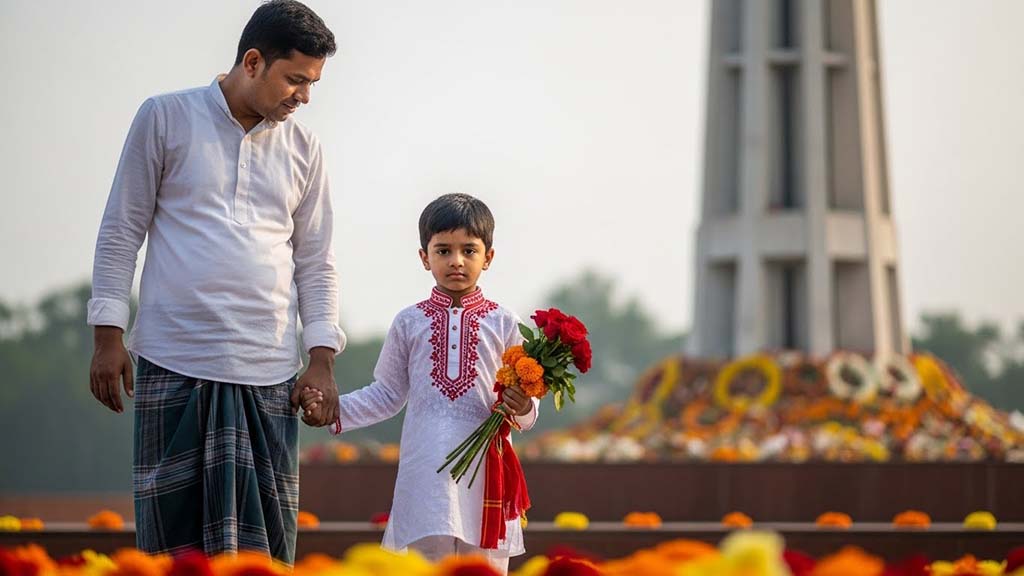
International Mother Language Day is celebrated on 21st February every year. This day is very important for Bangladesh. It reminds us of the brave students who died in 1952. They fought for our Bangla language. At that time, Pakistan did not want us to speak Bangla. But our freedom fighters said no. They wanted to protect our mother tongue. On 21st February 1952, many students came to the streets. They wanted Bangla as a state language. The police shot them. Many students became martyrs. Because of their sacrifice, we can speak Bangla today. Also, UNESCO declared this day as International Mother Language Day in 1999. Now the whole world celebrates this day. We visit the Shaheed Minar on this day and put flowers there. We also sing patriotic songs. Moreover, we remember the martyrs with great respect. This day teaches us to love our language and culture.
Vocabulary Table:
| English Word | Bangla Meaning |
|---|---|
| International | আন্তর্জাতিক |
| important | গুরুত্বপূর্ণ |
| Bangladesh | বাংলাদেশ |
| brave | সাহসী |
| 1952 | ১৯৫২ |
| Bangla language | বাংলা ভাষা |
| Pakistan | পাকিস্তান |
| freedom fighters | মুক্তিযোদ্ধা |
| mother tongue | মাতৃভাষা |
| students | ছাত্র-ছাত্রী |
| state language | রাষ্ট্রভাষা |
| police | পুলিশ |
| martyrs | শহীদ |
| sacrifice | আত্মত্যাগ |
| UNESCO | ইউনেস্কো |
| world | বিশ্ব |
| Shaheed Minar | শহীদ মিনার |
| flowers | ফুল |
| patriotic songs | দেশাত্মবোধক গান |
| respect | সম্মান |
| language | ভাষা |
| culture | সংস্কৃতি |
International Mother Language Day Paragraph – For Class 7 & 8 (200+ words)
International Mother Language Day is observed on 21st February worldwide. This day has a special meaning for Bangladesh. It is connected to our Language Movement of 1952. At that time, East Pakistan was part of Pakistan. The Pakistani rulers wanted to make Urdu the only state language. But the people of East Pakistan spoke Bangla. They loved their mother tongue deeply. So they started a movement to protect Bangla. The students of Dhaka University became the leaders of this movement. On 21st February 1952, the government put a ban on meetings. But the brave students did not listen. They came out on the streets. They held protests peacefully. Then the police opened fire on them. Many students died that day. Salam, Barkat, Rafiq, Jabbar, and Shafiur became martyrs. Their blood was not wasted. Because of their sacrifice, Bangla became a state language in 1956. Moreover, in 1999, UNESCO recognized this day as International Mother Language Day. Now people in many countries celebrate this day. They remember the martyrs of Bangladesh. We celebrate this day with great honor and go to the Shaheed Minar barefoot. Sometimes we wear traditional clothes. We place flowers at the monument. We sing patriotic songs like “Amar Bhaier Rokte Rangano”. Also, we hold cultural programs and seminars. This day teaches us to value our language and heritage. It shows that language is part of our identity.
Vocabulary Table:
| English Word | Bangla Meaning |
|---|---|
| International | আন্তর্জাতিক |
| special meaning | বিশেষ অর্থ |
| Bangladesh | বাংলাদেশ |
| Language Movement | ভাষা আন্দোলন |
| 1952 | ১৯৫২ |
| East Pakistan | পূর্ব পাকিস্তান |
| Pakistan | পাকিস্তান |
| Pakistani rulers | পাকিস্তানি শাসক |
| Urdu | উর্দু |
| state language | রাষ্ট্রভাষা |
| Bangla | বাংলা |
| mother tongue | মাতৃভাষা |
| movement | আন্দোলন |
| students | ছাত্র-ছাত্রী |
| Dhaka University | ঢাকা বিশ্ববিদ্যালয় |
| leaders | নেতা |
| government | সরকার |
| meetings | সভা |
| brave | সাহসী |
| protests | প্রতিবাদ |
| police | পুলিশ |
| Salam | সালাম |
| Barkat | বরকত |
| Rafiq | রফিক |
| Jabbar | জব্বার |
| Shafiur | শফিউর |
| martyrs | শহীদ |
| blood | রক্ত |
| sacrifice | আত্মত্যাগ |
| UNESCO | ইউনেস্কো |
| countries | দেশসমূহ |
| honor | সম্মান |
| Shaheed Minar | শহীদ মিনার |
| traditional clothes | ঐতিহ্যবাহী পোশাক |
| flowers | ফুল |
| monument | স্মৃতিস্তম্ভ |
| patriotic songs | দেশাত্মবোধক গান |
| Amar Bhaier Rokte Rangano | আমার ভাইয়ের রক্তে রাঙানো |
| cultural programs | সাংস্কৃতিক অনুষ্ঠান |
| seminars | সেমিনার |
| language | ভাষা |
| heritage | ঐতিহ্য |
| identity | পরিচয় |
International Mother Language Day Paragraph – For Class 9 & 10 (300+ words)
International Mother Language Day is celebrated on 21st February every year across the globe. This day has profound significance for Bangladesh because it is rooted in our historic Language Movement of 1952. After the partition of India in 1947, East Pakistan and West Pakistan became one country. However, the central government in West Pakistan wanted to impose Urdu as the only official language. This decision was completely unfair because the majority of people in East Pakistan spoke Bangla. The people felt that their linguistic rights were being taken away. So they started a peaceful movement to establish Bangla as one of the state languages. The students of Dhaka University played a leading role in this movement. They organized rallies and processions to protest against the unjust policy. On 21st February 1952, the government imposed Section 144, which banned all public gatherings. But the courageous students decided to break this law. They came out in large numbers to protect their mother tongue. When they were marching peacefully near the Dhaka Medical College, the police suddenly opened fire. Several innocent students were killed instantly. Abul Barkat, Abdus Salam, Rafiquddin Ahmed, Abdul Jabbar, and Shafiur Rahman sacrificed their lives for the language. Their martyrdom was not in vain. The movement continued with more strength. Finally, in 1956, the Pakistani government recognized Bangla as a state language. This was a great victory for the people of East Pakistan. Moreover, the significance of this day went beyond Bangladesh. In 1999, UNESCO declared 21st February as International Mother Language Day. This recognition made our Language Movement known to the entire world. Today, people in more than 180 countries observe this day. They celebrate linguistic diversity and honor the martyrs of Bangladesh. On this day, we visit the Shaheed Minar early in the morning. We walk barefoot as a sign of respect and place flowers and sing “Amar Bhaier Rokte Rangano Ekushey February”. We also organize book fairs, cultural events, and discussions about the importance of mother languages. This day reminds us that language is not just a means of communication but also a symbol of national identity and cultural pride.
Vocabulary Table:
| English Word | Bangla Meaning |
|---|---|
| International | আন্তর্জাতিক |
| globe | পৃথিবী |
| profound significance | গভীর তাৎপর্য |
| Bangladesh | বাংলাদেশ |
| historic | ঐতিহাসিক |
| Language Movement | ভাষা আন্দোলন |
| 1952 | ১৯৫২ |
| partition | বিভাজন |
| India | ভারত |
| East Pakistan | পূর্ব পাকিস্তান |
| West Pakistan | পশ্চিম পাকিস্তান |
| central government | কেন্দ্রীয় সরকার |
| Urdu | উর্দু |
| official language | সরকারি ভাষা |
| unfair | অন্যায্য |
| majority | সংখ্যাগরিষ্ঠ |
| Bangla | বাংলা |
| linguistic rights | ভাষাগত অধিকার |
| peaceful movement | শান্তিপূর্ণ আন্দোলন |
| state languages | রাষ্ট্রভাষা |
| students | ছাত্র-ছাত্রী |
| Dhaka University | ঢাকা বিশ্ববিদ্যালয় |
| leading role | প্রধান ভূমিকা |
| movement | আন্দোলন |
| rallies | সমাবেশ |
| processions | মিছিল |
| unjust policy | অন্যায় নীতি |
| government | সরকার |
| Section 144 | ১৪৪ ধারা |
| public gatherings | জনসমাবেশ |
| courageous | সাহসী |
| numbers | সংখ্যা |
| mother tongue | মাতৃভাষা |
| marching | মিছিল করা |
| Dhaka Medical College | ঢাকা মেডিকেল কলেজ |
| police | পুলিশ |
| innocent | নিরপরাধ |
| Abul Barkat | আবুল বরকত |
| Abdus Salam | আবদুস সালাম |
| Rafiquddin Ahmed | রফিকউদ্দিন আহমেদ |
| Abdul Jabbar | আবদুল জব্বার |
| Shafiur Rahman | শফিউর রহমান |
| lives | জীবন |
| language | ভাষা |
| martyrdom | শাহাদত |
| strength | শক্তি |
| Pakistani government | পাকিস্তানি সরকার |
| victory | বিজয় |
| significance | তাৎপর্য |
| UNESCO | ইউনেস্কো |
| recognition | স্বীকৃতি |
| world | বিশ্ব |
| countries | দেশসমূহ |
| linguistic diversity | ভাষাগত বৈচিত্র্য |
| martyrs | শহীদ |
| Shaheed Minar | শহীদ মিনার |
| barefoot | খালি পায়ে |
| respect | সম্মান |
| flowers | ফুল |
| Amar Bhaier Rokte Rangano Ekushey February | আমার ভাইয়ের রক্তে রাঙানো একুশে ফেব্রুয়ারি |
| book fairs | বইমেলা |
| cultural events | সাংস্কৃতিক অনুষ্ঠান |
| discussions | আলোচনা |
| mother languages | মাতৃভাষা |
| communication | যোগাযোগ |
| national identity | জাতীয় পরিচয় |
| cultural pride | সাংস্কৃতিক গর্ব |
International Mother Language Day Paragraph – For Class 11 & 12 (400+ words)
International Mother Language Day, observed on 21st February every year, stands as a testament to the supreme sacrifice made by the Bengali people for their linguistic rights. This day commemorates the historic Language Movement of 1952 in East Pakistan, which later became Bangladesh. The roots of this movement can be traced back to the partition of British India in 1947, when Pakistan was created as a separate nation comprising East Pakistan and West Pakistan. Despite the geographical distance of over 1,000 miles between the two wings, the ruling elite in West Pakistan wanted to impose their cultural and linguistic dominance over East Pakistan. In 1948, Muhammad Ali Jinnah, the Governor-General of Pakistan, declared that Urdu would be the only state language. This announcement sparked widespread protest because Bangla was spoken by 56% of Pakistan’s population, while only 7% spoke Urdu. The imposition of Urdu was seen as an attempt to suppress the cultural identity of the Bengali people. The Language Movement gained momentum under the leadership of prominent figures like Dhirendranath Datta, who first demanded Bangla as a state language in the Pakistan Constituent Assembly. The students of Dhaka University formed the Rashtrabasha Sangram Parishad (State Language Action Committee) to organize the movement. On 21st February 1952, the provincial government imposed Section 144 to prevent demonstrations. However, the students and citizens decided to defy this ban and organized a peaceful protest. As the procession moved toward the assembly building, the police opened fire without warning. Salam, Barkat, Rafiq, Jabbar, and Shafiur fell to the bullets, becoming the first martyrs of a language movement in world history. Their sacrifice ignited mass protests across East Pakistan. The movement continued with increased intensity, and eventually, the Pakistani authorities were forced to grant Bangla the status of state language in 1956. The Language Movement became the foundation of Bengali nationalism and ultimately led to the Liberation War of 1971, which resulted in the independence of Bangladesh. The international recognition of this day came in 1999 when UNESCO declared 21st February as International Mother Language Day. This declaration acknowledged that the struggle of the Bengali people was not just a national issue but a universal cause for linguistic diversity and cultural rights. Today, this day is observed in more than 180 countries to promote multilingualism and preserve mother languages that are at risk of extinction. In Bangladesh, the day begins with barefoot processions to the Shaheed Minar at midnight. People from all walks of life, including political leaders, intellectuals, artists, and common citizens, pay their respects to the martyrs. The entire nation comes together in a spirit of unity and remembrance. Book fairs, seminars, cultural programs, and discussions are organized throughout the month. The Ekushey Book Fair, held at Bangla Academy, has become one of the largest literary festivals in South Asia. This day reminds us that language is not merely a tool for communication but an integral part of our identity, heritage, and collective consciousness. The martyrs of the Language Movement taught us that dignity and self-respect are worth fighting for, and their legacy continues to inspire freedom movements around the world.
Vocabulary Table:
| English Word | Bangla Meaning |
|---|---|
| International | আন্তর্জাতিক |
| testament | প্রমাণ/সাক্ষ্য |
| supreme sacrifice | সর্বোচ্চ আত্মত্যাগ |
| Bengali people | বাঙালি জনগণ |
| linguistic rights | ভাষাগত অধিকার |
| historic | ঐতিহাসিক |
| Language Movement | ভাষা আন্দোলন |
| 1952 | ১৯৫২ |
| East Pakistan | পূর্ব পাকিস্তান |
| Bangladesh | বাংলাদেশ |
| roots | মূল |
| movement | আন্দোলন |
| partition | বিভাজন |
| British India | ব্রিটিশ ভারত |
| Pakistan | পাকিস্তান |
| West Pakistan | পশ্চিম পাকিস্তান |
| geographical distance | ভৌগোলিক দূরত্ব |
| wings | অংশ |
| ruling elite | শাসক শ্রেণী |
| cultural | সাংস্কৃতিক |
| linguistic dominance | ভাষাগত আধিপত্য |
| Muhammad Ali Jinnah | মুহাম্মদ আলী জিন্নাহ |
| Governor-General | গভর্নর-জেনারেল |
| Urdu | উর্দু |
| state language | রাষ্ট্রভাষা |
| announcement | ঘোষণা |
| widespread protest | ব্যাপক প্রতিবাদ |
| Bangla | বাংলা |
| population | জনসংখ্যা |
| imposition | চাপিয়ে দেওয়া |
| suppress | দমন করা |
| cultural identity | সাংস্কৃতিক পরিচয় |
| momentum | গতি |
| prominent figures | বিশিষ্ট ব্যক্তিত্ব |
| Dhirendranath Datta | ধীরেন্দ্রনাথ দত্ত |
| Pakistan Constituent Assembly | পাকিস্তান গণপরিষদ |
| students | ছাত্র-ছাত্রী |
| Dhaka University | ঢাকা বিশ্ববিদ্যালয় |
| Rashtrabasha Sangram Parishad | রাষ্ট্রভাষা সংগ্রাম পরিষদ |
| provincial government | প্রাদেশিক সরকার |
| Section 144 | ১৪৪ ধারা |
| demonstrations | বিক্ষোভ |
| citizens | নাগরিক |
| ban | নিষেধাজ্ঞা |
| peaceful protest | শান্তিপূর্ণ প্রতিবাদ |
| procession | মিছিল |
| assembly building | পরিষদ ভবন |
| police | পুলিশ |
| Salam | সালাম |
| Barkat | বরকত |
| Rafiq | রফিক |
| Jabbar | জব্বার |
| Shafiur | শফিউর |
| bullets | গুলি |
| martyrs | শহীদ |
| world history | বিশ্ব ইতিহাস |
| sacrifice | আত্মত্যাগ |
| mass protests | গণ-প্রতিবাদ |
| intensity | তীব্রতা |
| Pakistani authorities | পাকিস্তানি কর্তৃপক্ষ |
| foundation | ভিত্তি |
| Bengali nationalism | বাঙালি জাতীয়তাবাদ |
| Liberation War | মুক্তিযুদ্ধ |
| independence | স্বাধীনতা |
| international recognition | আন্তর্জাতিক স্বীকৃতি |
| UNESCO | ইউনেস্কো |
| declaration | ঘোষণা |
| struggle | সংগ্রাম |
| national issue | জাতীয় বিষয় |
| universal cause | সর্বজনীন উদ্দেশ্য |
| linguistic diversity | ভাষাগত বৈচিত্র্য |
| cultural rights | সাংস্কৃতিক অধিকার |
| countries | দেশসমূহ |
| multilingualism | বহুভাষিকতা |
| mother languages | মাতৃভাষা |
| extinction | বিলুপ্তি |
| barefoot processions | খালি পায়ে মিছিল |
| Shaheed Minar | শহীদ মিনার |
| political leaders | রাজনৈতিক নেতা |
| intellectuals | বুদ্ধিজীবী |
| artists | শিল্পী |
| common citizens | সাধারণ নাগরিক |
| respects | সম্মান |
| unity | ঐক্য |
| remembrance | স্মরণ |
| Book fairs | বইমেলা |
| seminars | সেমিনার |
| cultural programs | সাংস্কৃতিক অনুষ্ঠান |
| discussions | আলোচনা |
| Ekushey Book Fair | একুশে বইমেলা |
| Bangla Academy | বাংলা একাডেমি |
| literary festivals | সাহিত্য উৎসব |
| language | ভাষা |
| communication | যোগাযোগ |
| integral part | অবিচ্ছেদ্য অংশ |
| identity | পরিচয় |
| heritage | ঐতিহ্য |
| collective consciousness | সমষ্টিগত চেতনা |
| dignity | মর্যাদা |
| self-respect | আত্মসম্মান |
| legacy | উত্তরাধিকার |
| freedom movements | স্বাধীনতা আন্দোলন |
FAQ Section on International Mother Language Day Paragraph
Q1: When is International Mother Language Day celebrated?
Answer in 2 lines only (not more): International Mother Language Day is celebrated on 21st February every year. This date marks the martyrdom of Bengali students in 1952.
Q2: Why is 21st February important for Bangladesh?
Answer in 2 lines only (not more): On 21st February 1952, several students sacrificed their lives for the Bangla language. This event is the foundation of Bangladesh’s linguistic and cultural identity.
Q3: Who were the martyrs of the Language Movement?
Answer in 2 lines only (not more): The martyrs were Abul Barkat, Abdus Salam, Rafiquddin Ahmed, Abdul Jabbar, and Shafiur Rahman. They were killed by police while protesting for Bangla language rights.
Q4: When did UNESCO recognize this day as International Mother Language Day?
Answer in 2 lines only (not more): UNESCO declared 21st February as International Mother Language Day in 1999. This recognition made the Language Movement known worldwide.
Q5: What was the Language Movement of 1952?
Answer in 2 lines only (not more): The Language Movement was a protest against imposing Urdu as the only state language. Bengali people fought to establish Bangla as an official language of Pakistan.
Q6: How do people in Bangladesh celebrate this day?
Answer in 2 lines only (not more): People visit the Shaheed Minar barefoot, place flowers, and sing patriotic songs. Book fairs, cultural programs, and seminars are organized throughout the month.
Q7: What is the significance of the Shaheed Minar?
Answer in 2 lines only (not more): The Shaheed Minar is a monument built to honor the language martyrs. It represents the sacrifice made for the Bangla language.
Q8: Why did the Pakistani government want to impose Urdu?
Answer in 2 lines only (not more): The West Pakistani rulers wanted to establish their cultural and linguistic dominance over East Pakistan. They ignored that the majority of people spoke Bangla, not Urdu.
Q9: How did the Language Movement lead to Bangladesh’s independence?
Answer in 2 lines only (not more): The Language Movement created Bengali nationalism and unity among people. This spirit of resistance eventually led to the Liberation War and independence in 1971.
Q10: Why is mother language important for every nation?
Answer in 2 lines only (not more): Mother language is an integral part of cultural identity and heritage. It preserves traditions, knowledge, and connects people to their roots and history.