




Globalization Composition টি বাংলাদেশি শিক্ষার্থীদের জন্য লেখাটি খুব সহজ ভাষায় প্রস্তুত করা হয়েছে। গুরুত্বপূর্ণ শব্দগুলো Bold করে প্রতিটি Paragraph এর পরে শব্দার্থসহ হয়েছে, যাতে শিক্ষার্থীরা সহজে বুঝে শিখতে পারে। এখানে ক্লাস স্ট্যান্ডার্ড অনুযায়ী প্যারাগ্রাফগুলো লেখা হয়েছে। তবে শিক্ষার্থী তার চাহিদা ও সক্ষমতা অনুযায়ী ছোট বা বড় যেকোনো প্যারাগ্রাফ বেছে নিয়ে শিখতে পারে। প্রতিটি প্যারাগ্রাফই মানসম্মত ও শেখার জন্য উপযোগী।
Globalization Composition for Class 6 & 7 (200 words)
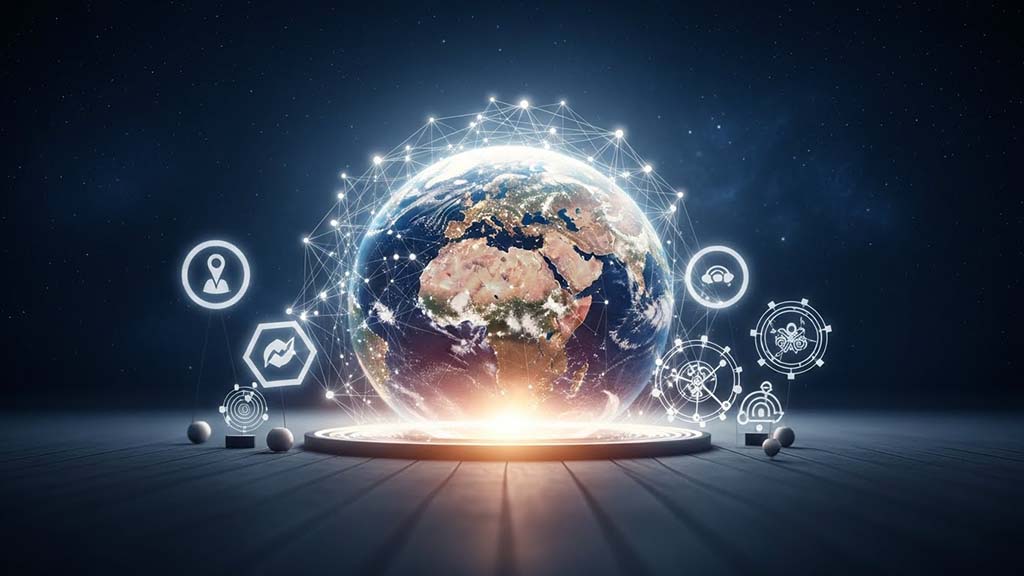
Globalization means the world is becoming more connected. Countries are now closer than before. People can share ideas, products, and cultures easily. This is happening because of technology and better transport.
Globalization helps us in many ways. We can use products from different countries. In Bangladesh, we wear clothes from China. We use phones from America and Korea. We can watch movies from other countries. The internet connects us with people worldwide.
Globalization also helps our country grow. Bangladesh sends garments to many countries. Our workers go abroad and send money home. We learn new things from other nations. Students can study in foreign universities. This brings new knowledge to our country.
However, globalization has some problems too. Local businesses sometimes face difficulties. Big foreign companies can be very strong. Our traditional culture may get affected. Some people worry about losing our Bengali values. We need to be careful about these issues.
Globalization is making our world smaller. It brings many benefits to Bangladesh. We get new jobs and opportunities. But we must protect our culture and local businesses. We should use globalization wisely. This will help our country’s development. We must keep our identity strong while growing.
Key Vocabulary:
| English Word | Bangla Meaning |
|---|---|
| Globalization | বিশ্বায়ন |
| Connected | সংযুক্ত |
| Cultures | সংস্কৃতি |
| Technology | প্রযুক্তি |
| Transport | পরিবহন |
| Garments | পোশাক |
| Traditional | ঐতিহ্যবাহী |
| Benefits | সুবিধা |
| Opportunities | সুযোগ |
| Development | উন্নয়ন |
Globalization Composition for Class 7 & 8 (300 words)
Globalization is a big change in our world today. It means countries are coming closer together. People share goods, ideas, and services across borders. Technology and fast communication make this possible. The world is becoming like a global village. We can connect with anyone anywhere.
Globalization affects our daily life in Bangladesh. We use many foreign products every day. Our mobile phones come from China and Korea. We drink soft drinks from American companies. We watch Indian TV shows and Hollywood movies. The internet lets us talk to people in any country. Social media connects millions of people worldwide. Young people learn English and other languages easily.
Our economy benefits from globalization too. Bangladesh exports ready-made garments to Europe and America. This gives jobs to millions of workers. About four million people work in the garment industry. Most of them are women. Our farmers sell vegetables to other countries. Many Bangladeshi people work in the Middle East and Malaysia. They send money back home. This remittance helps our families and our country grow stronger.
Globalization also helps in education and technology. Students can learn online from foreign teachers. We get new medical treatments from abroad. Our IT sector is growing because of global connections. Young people learn about different cultures and traditions. They get new ideas and skills. This makes them ready for the modern world.
But globalization creates some challenges too. Local shops struggle against big foreign brands. Our traditional industries face tough competition. Western culture influences our young generation strongly. Some people worry about losing our Bengali culture and values. Small farmers find it hard to compete with big companies. The income gap between rich and poor is increasing.
Globalization is both good and challenging for Bangladesh. It brings economic growth and new opportunities. We get jobs and learn new things. But we must protect our culture and help local businesses. We should take the good parts of globalization. At the same time, we must keep our identity strong. This balance will help Bangladesh grow in the modern world.
Key Vocabulary:
| English Word | Bangla Meaning |
|---|---|
| Globalization | বিশ্বায়ন |
| Borders | সীমানা |
| Technology | প্রযুক্তি |
| Communication | যোগাযোগ |
| Global village | বৈশ্বিক গ্রাম |
| Economy | অর্থনীতি |
| Exports | রপ্তানি |
| Garments | পোশাক |
| Remittance | প্রবাসী আয় |
| Connections | সংযোগ |
| Cultures | সংস্কৃতি |
| Challenges | চ্যালেঞ্জ |
| Traditional industries | ঐতিহ্যবাহী শিল্প |
| Competition | প্রতিযোগিতা |
| Influences | প্রভাবিত করে |
| Income gap | আয়ের ব্যবধান |
| Opportunities | সুযোগ |
| Identity | পরিচয় |
| Balance | ভারসাম্য |
Globalization Composition for SSC or Class 9 & 10 (400 words)
Globalization is one of the most important changes in modern times. It means the world is becoming more connected and united. Countries now share trade, culture, information, and ideas freely. Technology and the internet have made this possible. Globalization affects every part of our lives. It changes how we live, work, and think. No country can stay alone anymore.
Globalization has a big effect on Bangladesh’s economy. Our garment industry depends on global trade. We send clothes to America, Europe, and many other countries. This gives jobs to about four million workers. Most of them are women from poor families. The money they earn helps their families survive. Our country also exports jute, leather, and frozen fish. These products go to different countries. Foreign companies invest money in Bangladesh. They build factories here. This creates more jobs and helps our economy grow stronger every year.
The internet connects us with the whole world. We can video call our relatives in other countries. Students watch educational videos from foreign universities. Online shopping brings products from anywhere. Social media platforms like Facebook and YouTube are very popular here. We can learn new skills through online courses. This was impossible twenty years ago. Technology makes globalization faster and stronger. Digital Bangladesh is becoming a reality.
Globalization brings different cultures together. In Dhaka, we see KFC, Pizza Hut, and many foreign restaurants. Young people wear jeans and t-shirts like Western countries. We celebrate Valentine’s Day and watch Korean dramas. English language is becoming more important everywhere. We learn about different religions and traditions. This cultural mixing creates new ideas and styles. But some people worry about our Bengali culture.
Many Bangladeshi students now study abroad. They go to universities in America, Australia, and the UK. After finishing studies, some return with new knowledge. Others work there and send money home. Our young people can apply for jobs in foreign companies. Remote work allows them to work for international firms from Bangladesh. This opens many new career paths. They can earn good money while staying at home.
Globalization also creates problems for us. Local businesses find it hard to compete with big multinational companies. Small shops close because people prefer foreign brands. Our traditional crafts and industries suffer badly. Western culture influences our youth strongly. Some people forget our Bengali values and customs. Income gap between rich and poor increases. Foreign companies sometimes exploit our workers. They pay low wages. Environmental problems spread across borders. Pollution affects everyone.
Globalization is a reality we cannot ignore. It brings many benefits to Bangladesh. We get jobs, technology, and new opportunities. But we must be smart about it. We should protect our culture and support local businesses. We must keep our identity strong while growing.
Key Vocabulary:
| English Word | Bangla Meaning |
|---|---|
| Globalization | বিশ্বায়ন |
| Connected | সংযুক্ত |
| United | একত্রিত |
| Trade | বাণিজ্য |
| Culture | সংস্কৃতি |
| Technology | প্রযুক্তি |
| Economy | অর্থনীতি |
| Garment | পোশাক |
| Exports | রপ্তানি |
| Invest | বিনিয়োগ করা |
| Educational | শিক্ষামূলক |
| Cultures | সংস্কৃতি |
| Traditions | ঐতিহ্য |
| Cultural | সাংস্কৃতিক |
| Remote work | দূরবর্তী কাজ |
| International | আন্তর্জাতিক |
| Career paths | কর্মজীবনের পথ |
| Compete | প্রতিযোগিতা করা |
| Multinational | বহুজাতিক |
| Traditional | ঐতিহ্যবাহী |
| Industries | শিল্প |
| Influences | প্রভাবিত করে |
| Income gap | আয়ের ব্যবধান |
| Exploit | শোষণ করা |
| Environmental | পরিবেশগত |
| Borders | সীমানা |
| Benefits | সুবিধা |
| Opportunities | সুযোগ |
Globalization Composition for HSC or Class 11 & 12 (500 words)
Globalization is changing our world in deep ways. It makes countries depend on each other for trade, technology, and culture. The word “globalization” means the process of international integration. This happens through the exchange of products, ideas, and cultural values. In simple terms, the world is becoming one big community. No country can stay isolated anymore. Bangladesh is also part of this global system. We feel its effects in our economy, society, and daily life.
Globalization is not completely new. For centuries, people traded across borders. The Silk Road connected Asia with Europe long ago. But modern globalization is different. It started growing fast after the 1990s. The internet, mobile phones, and air travel made it possible. Today, goods and information move very quickly across the world. What happens in one country affects others immediately.
Our economy depends heavily on globalization. The ready-made garment sector is the biggest example. Bangladesh is now the second largest garment exporter in the world. Millions of people work in this industry. About 80% of our export income comes from garments. Foreign buyers place orders from Europe and America. Our workers make the products here. Then we ship them across the world. This creates jobs and brings money to our country.
Globalization also brings foreign investment to Bangladesh. Companies from China, India, and Korea build factories here. They create jobs for our people. The pharmaceutical industry exports medicines to many countries. Our leather goods and jute products reach global markets. Remittance from expatriate workers is another major benefit. About nine million Bangladeshis work abroad. They send billions of dollars home every year. This money helps our economy stay strong. Families use this money for education, health, and business.
The digital world connects Bangladesh with everyone. Internet users in our country crossed 100 million recently. Young people use Facebook, Instagram, and TikTok daily. E-commerce platforms like Daraz and Chaldal are growing fast. Online banking and mobile financial services like bKash make life easier. Students take online courses from MIT and Harvard. Freelancers work for foreign clients from home. They earn dollars sitting in Bangladesh. The IT sector exports software services worth millions of dollars. Digital technology creates new jobs for young people every day.
Globalization brings cultural exchange too. We enjoy food from different countries. Italian pizza, Chinese noodles, and Thai curry are available in Dhaka. Young people listen to K-pop music and watch Netflix series. English has become very important in education and jobs. We learn about different lifestyles and ideas. This makes our thinking broader. However, some fear that our Bengali language and culture may lose importance. Traditional festivals and customs face competition from Western celebrations. Young people sometimes forget our roots.
Many students study in foreign universities. They gain international experience and knowledge. Some return and help our country with new ideas. Others settle abroad and send remittance home. The brain drain is a problem. Our best talents sometimes leave permanently. But globalization also allows people to work remotely for foreign companies. They can earn good money while staying in Bangladesh.
Globalization creates serious challenges for Bangladesh. Local industries struggle against multinational companies. Small businesses close down because they cannot compete. Big brands dominate the market. Our traditional crafts like nakshi kantha and brass work face decline. Young artisans find it hard to survive. The income gap between rich and poor is growing. While some people get richer, many remain poor. This creates social problems.
Environmental problems also spread through globalization. Pollution from factories affects our air and water. Climate change threatens our coastal areas. Fast fashion industry creates huge waste. Global consumerism makes people buy more than they need. This harms nature. Rivers get polluted. Trees are cut down. We must find sustainable ways to grow our economy.
Our farmers face both good and bad effects. They can learn modern farming methods. New seeds and tools increase production. They can sell products to foreign markets through exports. But they also face tough competition from cheap imported food. Big agricultural companies control the market. Small farmers struggle to survive. They need government support and fair prices for their crops.
Globalization is a powerful force we cannot stop. It brings economic growth, jobs, and technology to Bangladesh. Young people get new opportunities to learn and work. We connect with the world easily. But we must protect our culture, environment, and local industries. Education should prepare students for global competition. The government needs wise policies to balance growth and protection. If we use globalization smartly, Bangladesh can become a strong and developed nation. We must welcome good changes while keeping our identity and values safe. The future depends on how we manage globalization today.
Key Vocabulary:
| English Word | Bangla Meaning |
|---|---|
| Globalization | বিশ্বায়ন |
| Trade | বাণিজ্য |
| Technology | প্রযুক্তি |
| Culture | সংস্কৃতি |
| International integration | আন্তর্জাতিক একীকরণ |
| Cultural | সাংস্কৃতিক |
| Community | সম্প্রদায় |
| Isolated | বিচ্ছিন্ন |
| Economy | অর্থনীতি |
| Society | সমাজ |
| Traded | বাণিজ্য করা |
| Borders | সীমানা |
| Connected | সংযুক্ত |
| Garment | পোশাক |
| Exporter | রপ্তানিকারক |
| Export | রপ্তানি |
| Investment | বিনিয়োগ |
| Pharmaceutical | ঔষধ শিল্প |
| Exports | রপ্তানি করে |
| Remittance | প্রবাসী আয় |
| Expatriate | প্রবাসী |
| E-commerce | ই-কমার্স |
| Freelancers | মুক্তপেশাজীবী |
| Traditional | ঐতিহ্যবাহী |
| Competition | প্রতিযোগিতা |
| International | আন্তর্জাতিক |
| Remotely | দূর থেকে |
| Challenges | চ্যালেঞ্জ |
| Industries | শিল্প |
| Multinational | বহুজাতিক |
| Compete | প্রতিযোগিতা করা |
| Artisans | কারিগর |
| Income gap | আয়ের ব্যবধান |
| Environmental | পরিবেশগত |
| Pollution | দূষণ |
| Industry | শিল্প |
| Consumerism | ভোগবাদ |
| Sustainable | টেকসই |
| Agricultural | কৃষি সংক্রান্ত |
| Government | সরকার |
| Economic | অর্থনৈতিক |
| Opportunities | সুযোগ |
| Environment | পরিবেশ |
| Policies | নীতি |
| Developed | উন্নত |
| Identity | পরিচয় |
Important Exam Style FAQs on Globalization
1. What is globalization? Globalization is the process of connecting countries around the world. It means countries share trade, culture, technology, and ideas freely. The world is becoming like a global village where everything is connected.
2. How does globalization affect Bangladesh’s economy? Globalization helps Bangladesh’s economy through the garment industry. We export clothes to many countries and earn foreign money. Foreign companies invest here and create jobs for millions of workers.
3. What are the benefits of globalization for students? Students can learn from foreign universities through online courses. They can study abroad and gain international experience. They also get job opportunities in multinational companies and can work remotely for foreign firms.
4. What are the negative effects of globalization? Globalization hurts local businesses because they cannot compete with big foreign companies. Our traditional culture and industries face decline. The income gap between rich and poor is increasing.
5. How does technology help globalization? The internet and mobile phones connect people across the world instantly. We can communicate, learn, and do business online. Social media, e-commerce, and digital payment systems make globalization faster and easier.
6. What is the role of remittance in Bangladesh? Remittance is the money that expatriate workers send from abroad. About nine million Bangladeshis work in foreign countries. They send billions of dollars home every year which helps our economy and families.
7. How does globalization affect our culture? Globalization brings Western culture to Bangladesh through movies, music, and fashion. Young people adopt foreign lifestyles and celebrations. Some people worry that we may lose our Bengali language, traditions, and values.
8. What is the impact of globalization on farmers? Farmers can learn modern farming methods and sell products internationally. But they face competition from cheap imported food. Big agricultural companies control the market which makes it hard for small farmers to survive.
9. How can Bangladesh benefit from globalization? Bangladesh can benefit by improving education and skills. We should support local industries while accepting new technology. The government should make fair policies that protect our workers and culture while promoting growth.
10. What is the future of Bangladesh in globalization? Bangladesh can become a developed country through smart use of globalization. We must balance economic growth with cultural protection. By investing in education, technology, and local industries, we can compete globally while keeping our identity strong.