


Dowry Paragraph for Class 6 & 7 (150 words)
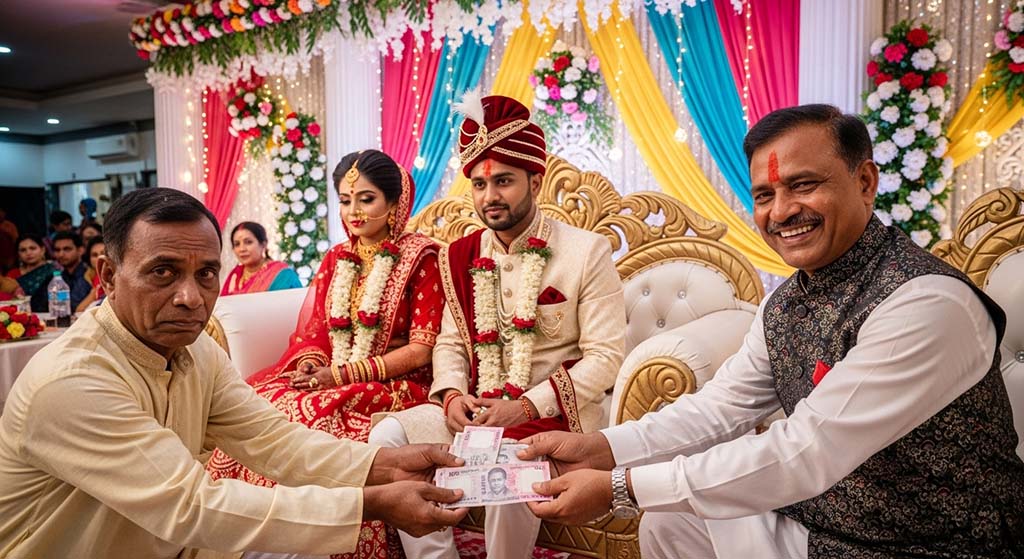
Dowry is a very bad social practice in our country. It means money, goods, or property that the bride’s family gives to the groom’s family during marriage. This is a harmful custom that causes many problems in our society. Many families become poor because they have to give dowry. Some grooms and their families demand a lot of money and valuable things. If the bride’s family cannot give enough dowry, the bride may face torture and cruelty after marriage. Some women are even killed because of dowry. This is a very serious crime. Dowry is illegal in Bangladesh, and there are laws against it. But still, many people practice it. We should stop this bad custom. Parents should not give or take dowry. Boys and girls should get married based on love and respect, not money. Everyone should work together to remove dowry from our society.
Key Vocabulary:
| English Word | Bangla Meaning |
|---|---|
| Dowry | যৌতুক |
| bad | খারাপ |
| social practice | সামাজিক প্রথা |
| money | অর্থ |
| goods | পণ্য |
| property | সম্পত্তি |
| bride’s family | বধূর পরিবার |
| groom’s family | বরের পরিবার |
| marriage | বিবাহ |
| harmful | ক্ষতিকর |
| custom | প্রথা |
| problems | সমস্যা |
| society | সমাজ |
| poor | দরিদ্র |
| grooms | বর |
| demand | দাবি করা |
| valuable | মূল্যবান |
| bride | বধূ |
| torture | নির্যাতন |
| cruelty | নিষ্ঠুরতা |
| killed | হত্যা করা |
| serious | গুরুতর |
| crime | অপরাধ |
| illegal | বেআইনি |
| laws | আইন |
| practice | চর্চা করা |
| stop | থামানো |
| Parents | পিতামাতা |
| married | বিবাহিত |
| love | ভালোবাসা |
| respect | সম্মান |
| remove | দূর করা |
| society | সমাজ |
Dowry Paragraph for Class 7 & 8 (250 words)
Dowry is one of the worst social evils in Bangladesh. It is a traditional practice where the bride’s family is expected to give money, jewelry, furniture, and other valuable items to the groom’s family at the time of marriage. Though this custom was originally meant to help the new couple start their life, it has now become a burden and a curse for many families. Dowry has destroyed countless lives and families in our country.
The system of dowry creates many problems. Poor families have to borrow money or sell their land and property to arrange dowry for their daughters’ marriages. This makes them financially weak. Many families cannot afford to pay dowry, so their daughters remain unmarried. Even after marriage, many women face physical and mental torture if their families cannot give the demanded dowry. Some women are beaten, burned, or even murdered by their husbands and in-laws. This violence against women is a serious crime. The fear of dowry also makes many parents see their daughters as a burden, which affects girls’ education and development.
Dowry is illegal in Bangladesh. The government has made the “Dowry Prohibition Act” to stop this practice. However, the law is not always enforced properly. To eliminate dowry, we need social awareness. People should understand that dowry is a crime and a sin. Parents should educate their children about the evil effects of dowry. Boys should refuse to take dowry. Girls should be brave and speak out against this injustice. Religious and social leaders should work to change people’s mindset. Only when everyone works together can we remove this curse from our society.
Key Vocabulary:
| English Word | Bangla Meaning |
|---|---|
| Dowry | যৌতুক |
| social evils | সামাজিক ব্যাধি |
| traditional practice | ঐতিহ্যবাহী প্রথা |
| bride’s family | বধূর পরিবার |
| expected | প্রত্যাশিত |
| money | অর্থ |
| jewelry | গহনা |
| furniture | আসবাবপত্র |
| valuable items | মূল্যবান জিনিস |
| groom’s family | বরের পরিবার |
| marriage | বিবাহ |
| custom | প্রথা |
| originally | মূলত |
| couple | দম্পতি |
| burden | বোঝা |
| curse | অভিশাপ |
| destroyed | ধ্বংস করেছে |
| system | ব্যবস্থা |
| problems | সমস্যা |
| borrow | ধার করা |
| sell | বিক্রি করা |
| land | জমি |
| property | সম্পত্তি |
| marriages | বিবাহ |
| financially weak | আর্থিকভাবে দুর্বল |
| afford | সামর্থ্য থাকা |
| unmarried | অবিবাহিত |
| physical | শারীরিক |
| mental torture | মানসিক নির্যাতন |
| demanded | দাবিকৃত |
| beaten | প্রহার করা |
| burned | পুড়িয়ে দেওয়া |
| murdered | হত্যা করা |
| husbands | স্বামী |
| in-laws | শ্বশুরবাড়ি |
| violence | সহিংসতা |
| serious crime | গুরুতর অপরাধ |
| fear | ভয় |
| burden | বোঝা |
| affects | প্রভাবিত করে |
| education | শিক্ষা |
| development | উন্নয়ন |
| illegal | বেআইনি |
| Dowry Prohibition Act | যৌতুক নিরোধ আইন |
| stop | থামানো |
| practice | প্রথা |
| law | আইন |
| enforced properly | যথাযথভাবে প্রয়োগ করা |
| eliminate | নির্মূল করা |
| social awareness | সামাজিক সচেতনতা |
| understand | বোঝা |
| crime | অপরাধ |
| sin | পাপ |
| educate | শিক্ষিত করা |
| evil effects | মন্দ প্রভাব |
| refuse | প্রত্যাখ্যান করা |
| brave | সাহসী |
| speak out | কথা বলা |
| injustice | অন্যায় |
| Religious | ধর্মীয় |
| social | সামাজিক |
| change | পরিবর্তন করা |
| mindset | মানসিকতা |
| remove | দূর করা |
| curse | অভিশাপ |
Dowry Paragraph for SSC or Class 9 & 10 (350 words)
Dowry is a deeply rooted social problem in Bangladesh that has devastating effects on individuals, families, and society as a whole. It refers to the custom of the bride’s family giving money, property, jewelry, or other valuable assets to the groom or his family at the time of marriage. What was once considered a voluntary gift has now become a forced demand, turning marriage into a financial transaction rather than a sacred union based on love and mutual respect. This evil practice has claimed numerous lives and ruined countless families across the country.
The causes of the dowry system are complex and multifaceted. The patriarchal structure of our society views women as inferior and treats them as a burden to their families. This mindset makes parents feel obligated to pay dowry to “compensate” for having a daughter. Gender inequality and discrimination against women are fundamental reasons for the continuation of this practice. Lack of education, especially among rural populations, prevents people from understanding the harmful nature of dowry. The desire for wealth and material gain drives many grooms and their families to demand large amounts of dowry. Unemployment and economic pressure make some men view dowry as an easy way to get money. Social pressure and the fear of being socially isolated force many families to comply with dowry demands even when they cannot afford it.
The consequences of dowry are horrific and far-reaching. Many brides suffer physical violence, mental torture, and cruelty from their husbands and in-laws when dowry demands are not met. Acid attacks, burning, and murder of women due to dowry disputes are tragic yet common incidents in Bangladesh. Families are financially devastated as they borrow money at high interest rates or sell their property to arrange dowry. Parents of daughters live in constant anxiety about marriage expenses. The prevalence of dowry also contributes to female infanticide, neglect of girl children, and discrimination in education and healthcare.
The government of Bangladesh has enacted the “Dowry Prohibition Act, 1980” which makes giving, taking, or demanding dowry a punishable offense. However, implementation remains weak due to social acceptance of the practice and lack of proper enforcement. To eradicate dowry, we need a comprehensive approach. Mass awareness campaigns should be conducted to change social attitudes. Education, particularly for women, can empower them to resist dowry. Religious and community leaders should speak out against this immoral practice. Young people should refuse to participate in dowry transactions. Strict enforcement of anti-dowry laws with swift punishment for offenders is essential. Economic empowerment of women through employment opportunities can reduce their dependence on marriage for financial security. Only through collective effort and determination can Bangladesh eliminate this social curse and ensure dignity and safety for all women.
Key Vocabulary:
| English Word | Bangla Meaning |
|---|---|
| Dowry | যৌতুক |
| deeply rooted | গভীরভাবে প্রোথিত |
| social problem | সামাজিক সমস্যা |
| devastating effects | ধ্বংসাত্মক প্রভাব |
| society | সমাজ |
| custom | প্রথা |
| bride’s family | বধূর পরিবার |
| money | অর্থ |
| property | সম্পত্তি |
| jewelry | গহনা |
| valuable assets | মূল্যবান সম্পদ |
| groom | বর |
| marriage | বিবাহ |
| voluntary gift | স্বেচ্ছাকৃত উপহার |
| forced demand | জোরপূর্বক দাবি |
| financial transaction | আর্থিক লেনদেন |
| sacred union | পবিত্র মিলন |
| love | ভালোবাসা |
| mutual respect | পারস্পরিক সম্মান |
| evil practice | মন্দ প্রথা |
| claimed | দাবি করেছে |
| ruined | ধ্বংস করেছে |
| causes | কারণসমূহ |
| complex | জটিল |
| multifaceted | বহুমুখী |
| patriarchal structure | পুরুষতান্ত্রিক কাঠামো |
| society | সমাজ |
| inferior | নিম্নমানের |
| burden | বোঝা |
| mindset | মানসিকতা |
| obligated | বাধ্য |
| compensate | ক্ষতিপূরণ দেওয়া |
| Gender inequality | লিঙ্গ বৈষম্য |
| discrimination | বৈষম্য |
| fundamental | মৌলিক |
| continuation | ধারাবাহিকতা |
| Lack of education | শিক্ষার অভাব |
| rural | গ্রামীণ |
| prevents | প্রতিরোধ করে |
| understanding | বোঝা |
| harmful nature | ক্ষতিকর প্রকৃতি |
| desire | আকাঙ্ক্ষা |
| wealth | সম্পদ |
| material gain | বস্তুগত লাভ |
| grooms | বর |
| demand | দাবি করা |
| Unemployment | বেকারত্ব |
| economic pressure | অর্থনৈতিক চাপ |
| Social pressure | সামাজিক চাপ |
| socially isolated | সামাজিকভাবে বিচ্ছিন্ন |
| force | বাধ্য করা |
| comply | মেনে চলা |
| demands | দাবি |
| afford | সামর্থ্য থাকা |
| consequences | পরিণতি |
| horrific | ভয়াবহ |
| far-reaching | সুদূরপ্রসারী |
| brides | বধূ |
| physical violence | শারীরিক সহিংসতা |
| mental torture | মানসিক নির্যাতন |
| cruelty | নিষ্ঠুরতা |
| husbands | স্বামী |
| in-laws | শ্বশুরবাড়ি |
| demands | দাবি |
| Acid attacks | অ্যাসিড হামলা |
| burning | পোড়ানো |
| murder | হত্যা |
| disputes | বিবাদ |
| tragic | দুঃখজনক |
| common | সাধারণ |
| financially devastated | আর্থিকভাবে বিধ্বস্ত |
| borrow | ধার করা |
| interest rates | সুদের হার |
| sell | বিক্রি করা |
| property | সম্পত্তি |
| arrange | ব্যবস্থা করা |
| anxiety | উদ্বেগ |
| marriage expenses | বিবাহ ব্যয় |
| prevalence | প্রসার |
| contributes | অবদান রাখে |
| female infanticide | কন্যা শিশুহত্যা |
| neglect | অবহেলা |
| girl children | কন্যা সন্তান |
| discrimination | বৈষম্য |
| education | শিক্ষা |
| healthcare | স্বাস্থ্যসেবা |
| enacted | প্রণয়ন করেছে |
| Dowry Prohibition Act | যৌতুক নিরোধ আইন |
| demanding | দাবি করা |
| punishable offense | শাস্তিযোগ্য অপরাধ |
| implementation | বাস্তবায়ন |
| weak | দুর্বল |
| social acceptance | সামাজিক গ্রহণযোগ্যতা |
| lack of proper enforcement | যথাযথ প্রয়োগের অভাব |
| eradicate | নির্মূল করা |
| comprehensive approach | ব্যাপক দৃষ্টিভঙ্গি |
| Mass awareness campaigns | গণসচেতনতা প্রচারাভিযান |
| conducted | পরিচালনা করা |
| change | পরিবর্তন করা |
| social attitudes | সামাজিক মনোভাব |
| Education | শিক্ষা |
| empower | ক্ষমতায়িত করা |
| resist | প্রতিরোধ করা |
| Religious | ধর্মীয় |
| community | সম্প্রদায় |
| speak out | কথা বলা |
| immoral practice | অনৈতিক প্রথা |
| refuse | প্রত্যাখ্যান করা |
| participate | অংশগ্রহণ করা |
| transactions | লেনদেন |
| Strict enforcement | কঠোর প্রয়োগ |
| anti-dowry laws | যৌতুক বিরোধী আইন |
| swift punishment | দ্রুত শাস্তি |
| offenders | অপরাধী |
| essential | অপরিহার্য |
| Economic empowerment | অর্থনৈতিক ক্ষমতায়ন |
| employment opportunities | কর্মসংস্থানের সুযোগ |
| dependence | নির্ভরতা |
| financial security | আর্থিক নিরাপত্তা |
| collective effort | সমষ্টিগত প্রচেষ্টা |
| determination | দৃঢ় সংকল্প |
| eliminate | নির্মূল করা |
| social curse | সামাজিক অভিশাপ |
| ensure dignity | মর্যাদা নিশ্চিত করা |
| safety | নিরাপত্তা |
Dowry Paragraph for HSC or Class 11 & 12 (450 words)
The dowry system represents one of the most pernicious and persistent social evils plaguing Bangladesh, inflicting immense suffering on women and perpetuating gender inequality. Dowry, the practice of transferring money, property, or other valuable assets from the bride’s family to the groom or his family at the time of marriage, has evolved from a traditional custom into a coercive and exploitative practice that commodifies women and reduces marriage to a commercial transaction. This deeply entrenched social ill not only violates women’s fundamental rights and dignity but also has dire consequences for families, particularly those from economically disadvantaged backgrounds. The persistence of dowry despite legal prohibitions reflects the complex interplay of cultural, economic, and patriarchal factors that sustain this harmful practice.
The roots of the dowry system lie deep within the patriarchal fabric of Bangladeshi society, where women are traditionally viewed as economic liabilities rather than assets. This gender bias is manifested in the preferential treatment of male children and the perception that daughters are burdens who must be “married off” with substantial payments to ensure their acceptance into their marital homes. The commercialization of marriage has intensified over time, with dowry demands often escalating based on the groom’s educational qualifications, profession, family status, and economic position. Economic factors also play a significant role; in a society with limited employment opportunities for women and unequal access to education and resources, marriage often represents the primary means of economic security for women, making families vulnerable to dowry demands. Social pressures and the stigma associated with remaining unmarried compel families to acquiesce to exorbitant dowry requirements. The lack of comprehensive education about gender equality and human rights, particularly in rural and less developed areas, perpetuates traditional mindsets that condone such practices. Weak enforcement of anti-dowry legislation and inadequate legal recourse for victims create a climate of impunity that encourages the perpetuation of this abuse.
The consequences of the dowry system are catastrophic and multidimensional. Women face severe physical, psychological, and emotional abuse when dowry expectations are not met, with incidents of domestic violence, acid attacks, dowry murders, and forced suicides being alarmingly common. The psychological trauma inflicted on brides and their families—including anxiety, depression, post-traumatic stress disorder, and chronic fear—can have lasting effects on mental health. Economically, the burden of dowry often pushes families into poverty, forces them to incur substantial debts, and compels the sale of productive assets like land, destroying their livelihood. The anticipation of dowry expenses leads to discrimination against girl children, manifested in reduced investment in their education, inadequate healthcare, and in extreme cases, female infanticide or sex-selective abortions. This educational and healthcare deprivation perpetuates the cycle of gender inequality and limits women’s opportunities for economic independence and social mobility. At the societal level, the dowry system reinforces patriarchal structures, normalizes violence against women, and undermines efforts toward achieving gender equality and women’s empowerment.
Addressing the dowry menace requires a holistic and sustained approach encompassing legal, educational, economic, and social interventions. While Bangladesh has the “Dowry Prohibition Act, 1980” which criminalizes the giving, taking, or abetting of dowry, enforcement remains woefully inadequate. Strengthening legal mechanisms, ensuring swift prosecution, and imposing stringent penalties on offenders are imperative. Awareness campaigns must be intensified to challenge patriarchal attitudes and educate communities about the illegality and immorality of dowry. Educational institutions should incorporate gender sensitivity and women’s rights into their curricula. Economic empowerment of women through vocational training, employment opportunities, and access to financial resources can reduce their economic dependence on marriage and enhance their bargaining power. Religious and community leaders must actively denounce dowry and promote marriages based on compatibility and mutual respect rather than monetary considerations. Media can play a transformative role by challenging stereotypes and showcasing positive narratives of dowry-free marriages. Legal aid and support services for victims, including counseling and rehabilitation, must be made accessible. Most crucially, there needs to be a fundamental transformation in societal values that recognizes women’s inherent worth and dignity independent of economic transactions.
The eradication of the dowry system is essential not only for protecting individual women’s rights and wellbeing but also for advancing broader social and economic development goals. It requires unwavering commitment from all segments of society—government, civil society, families, and individuals—to dismantle the patriarchal structures and economic inequalities that sustain this practice. Only through collective and concerted action can Bangladesh eliminate this social curse and create a society where women can live with dignity, equality, and freedom from violence and exploitation.
Key Vocabulary:
| English Word | Bangla Meaning |
|---|---|
| dowry system | যৌতুক প্রথা |
| pernicious | ক্ষতিকর |
| persistent social evils | দীর্ঘস্থায়ী সামাজিক ব্যাধি |
| plaguing | জর্জরিত করা |
| inflicting | প্রদান করা |
| suffering | দুর্ভোগ |
| perpetuating | স্থায়ী করা |
| gender inequality | লিঙ্গ বৈষম্য |
| Dowry | যৌতুক |
| practice | প্রথা |
| money | অর্থ |
| property | সম্পত্তি |
| valuable assets | মূল্যবান সম্পদ |
| bride’s family | বধূর পরিবার |
| groom | বর |
| marriage | বিবাহ |
| evolved | বিবর্তিত হয়েছে |
| traditional custom | ঐতিহ্যবাহী প্রথা |
| coercive | জবরদস্তিমূলক |
| exploitative practice | শোষণমূলক প্রথা |
| commodifies | পণ্যায়িত করে |
| reduces marriage | বিবাহকে হ্রাস করে |
| commercial transaction | বাণিজ্যিক লেনদেন |
| deeply entrenched | গভীরভাবে প্রোথিত |
| social ill | সামাজিক ব্যাধি |
| violates | লঙ্ঘন করে |
| fundamental rights | মৌলিক অধিকার |
| dignity | মর্যাদা |
| dire consequences | মারাত্মক পরিণতি |
| families | পরিবার |
| economically disadvantaged | অর্থনৈতিকভাবে সুবিধাবঞ্চিত |
| backgrounds | পটভূমি |
| persistence | দীর্ঘস্থায়িত্ব |
| legal prohibitions | আইনি নিষেধাজ্ঞা |
| reflects | প্রতিফলিত করে |
| complex | জটিল |
| interplay | পারস্পরিক ক্রিয়া |
| cultural | সাংস্কৃতিক |
| economic | অর্থনৈতিক |
| patriarchal | পুরুষতান্ত্রিক |
| sustain | টিকিয়ে রাখা |
| harmful practice | ক্ষতিকর প্রথা |
| roots | শিকড় |
| deep | গভীর |
| patriarchal fabric | পুরুষতান্ত্রিক কাঠামো |
| society | সমাজ |
| women | নারী |
| traditionally | ঐতিহ্যগতভাবে |
| economic liabilities | অর্থনৈতিক দায় |
| assets | সম্পদ |
| gender bias | লিঙ্গ পক্ষপাত |
| manifested | প্রকাশিত |
| preferential | অগ্রাধিকারমূলক |
| male children | পুরুষ সন্তান |
| perception | উপলব্ধি |
| daughters | কন্যা |
| burdens | বোঝা |
| married off | বিবাহ দেওয়া |
| substantial payments | উল্লেখযোগ্য অর্থ প্রদান |
| acceptance | গ্রহণ |
| marital homes | শ্বশুরবাড়ি |
| commercialization | বাণিজ্যিকীকরণ |
| intensified | তীব্র হয়েছে |
| dowry demands | যৌতুক দাবি |
| escalating | বৃদ্ধি পাওয়া |
| groom’s | বরের |
| educational qualifications | শিক্ষাগত যোগ্যতা |
| profession | পেশা |
| family status | পারিবারিক অবস্থান |
| economic position | অর্থনৈতিক অবস্থান |
| Economic factors | অর্থনৈতিক কারণ |
| significant | উল্লেখযোগ্য |
| society | সমাজ |
| limited | সীমিত |
| employment opportunities | কর্মসংস্থানের সুযোগ |
| unequal | অসম |
| access | প্রবেশাধিকার |
| education | শিক্ষা |
| resources | সম্পদ |
| marriage | বিবাহ |
| primary means | প্রধান উপায় |
| economic security | আর্থিক নিরাপত্তা |
| families vulnerable | পরিবারকে ঝুঁকিপূর্ণ |
| dowry demands | যৌতুক দাবি |
| Social pressures | সামাজিক চাপ |
| stigma | কলঙ্ক |
| associated | সম্পর্কিত |
| remaining unmarried | অবিবাহিত থাকা |
| compel | বাধ্য করা |
| acquiesce | মেনে নেওয়া |
| exorbitant | অত্যধিক |
| dowry | যৌতুক |
| lack of | অভাব |
| comprehensive education | ব্যাপক শিক্ষা |
| gender equality | লিঙ্গ সমতা |
| human rights | মানবাধিকার |
| rural | গ্রামীণ |
| less developed | কম উন্নত |
| perpetuates | স্থায়ী করে |
| traditional mindsets | ঐতিহ্যবাহী মানসিকতা |
| condone | ক্ষমা করা |
| practices | প্রথা |
| Weak enforcement | দুর্বল প্রয়োগ |
| anti-dowry legislation | যৌতুক বিরোধী আইন |
| inadequate | অপর্যাপ্ত |
| legal recourse | আইনি আশ্রয় |
| victims | ভুক্তভোগী |
| climate of impunity | দায়মুক্তির পরিবেশ |
| encourages | উৎসাহিত করে |
| perpetuation | স্থায়ীকরণ |
| abuse | নির্যাতন |
| consequences | পরিণতি |
| catastrophic | বিপর্যয়কর |
| multidimensional | বহুমাত্রিক |
| Women | নারী |
| severe | গুরুতর |
| physical | শারীরিক |
| psychological | মানসিক |
| emotional abuse | আবেগীয় নির্যাতন |
| dowry expectations | যৌতুক প্রত্যাশা |
| incidents | ঘটনা |
| domestic violence | পারিবারিক সহিংসতা |
| acid attacks | অ্যাসিড হামলা |
| dowry murders | যৌতুক হত্যা |
| forced suicides | জোরপূর্বক আত্মহত্যা |
| alarmingly common | উদ্বেগজনকভাবে সাধারণ |
| psychological trauma | মানসিক আঘাত |
| inflicted | প্রদত্ত |
| brides | বধূ |
| anxiety | উদ্বেগ |
| depression | বিষণ্নতা |
| post-traumatic stress disorder | পোস্ট-ট্রমাটিক স্ট্রেস ডিসঅর্ডার |
| chronic fear | দীর্ঘস্থায়ী ভয় |
| lasting effects | দীর্ঘস্থায়ী প্রভাব |
| mental health | মানসিক স্বাস্থ্য |
| Economically | অর্থনৈতিকভাবে |
| burden | বোঝা |
| dowry | যৌতুক |
| pushes | ঠেলে দেয় |
| poverty | দারিদ্র্য |
| forces | বাধ্য করে |
| incur | বহন করা |
| substantial debts | উল্লেখযোগ্য ঋণ |
| compels | বাধ্য করে |
| sale | বিক্রয় |
| productive assets | উৎপাদনশীল সম্পদ |
| land | জমি |
| destroying | ধ্বংস করা |
| livelihood | জীবিকা |
| anticipation | প্রত্যাশা |
| dowry expenses | যৌতুক ব্যয় |
| discrimination | বৈষম্য |
| girl children | কন্যা শিশু |
| manifested | প্রকাশিত |
| reduced | হ্রাসকৃত |
| investment | বিনিয়োগ |
| education | শিক্ষা |
| inadequate | অপর্যাপ্ত |
| healthcare | স্বাস্থ্যসেবা |
| extreme cases | চরম ক্ষেত্রে |
| female infanticide | কন্যা শিশুহত্যা |
| sex-selective abortions | লিঙ্গ-নির্বাচনী গর্ভপাত |
| educational | শিক্ষাগত |
| healthcare deprivation | স্বাস্থ্যসেবা বঞ্চনা |
| perpetuates | স্থায়ী করে |
| cycle | চক্র |
| gender inequality | লিঙ্গ বৈষম্য |
| limits | সীমিত করে |
| opportunities | সুযোগ |
| economic independence | অর্থনৈতিক স্বাধীনতা |
| social mobility | সামাজিক গতিশীলতা |
| societal level | সামাজিক পর্যায়ে |
| reinforces | শক্তিশালী করে |
| patriarchal structures | পুরুষতান্ত্রিক কাঠামো |
| normalizes violence | সহিংসতাকে স্বাভাবিক করে |
| undermines | ক্ষুণ্ন করে |
| achieving | অর্জন করা |
| gender equality | লিঙ্গ সমতা |
| women’s empowerment | নারীর ক্ষমতায়ন |
| Addressing | সমাধান করা |
| menace | হুমকি |
| holistic | সামগ্রিক |
| sustained approach | টেকসই পদ্ধতি |
| encompassing | অন্তর্ভুক্ত করা |
| legal | আইনগত |
| educational | শিক্ষাগত |
| economic | অর্থনৈতিক |
| social interventions | সামাজিক হস্তক্ষেপ |
| Dowry Prohibition Act, 1980 | যৌতুক নিরোধ আইন, ১৯৮০ |
| criminalizes | অপরাধী করে |
| abetting | সহায়তা করা |
| enforcement | প্রয়োগ |
| woefully inadequate | অত্যন্ত অপর্যাপ্ত |
| Strengthening | শক্তিশালী করা |
| legal mechanisms | আইনি ব্যবস্থা |
| ensuring | নিশ্চিত করা |
| swift prosecution | দ্রুত বিচার |
| imposing | আরোপ করা |
| stringent penalties | কঠোর শাস্তি |
| offenders | অপরাধী |
| imperative | অপরিহার্য |
| Awareness campaigns | সচেতনতা প্রচারাভিযান |
| intensified | তীব্র করা |
| challenge | চ্যালেঞ্জ করা |
| patriarchal attitudes | পুরুষতান্ত্রিক মনোভাব |
| educate | শিক্ষিত করা |
| communities | সম্প্রদায় |
| illegality | বেআইনিতা |
| immorality | অনৈতিকতা |
| Educational institutions | শিক্ষা প্রতিষ্ঠান |
| incorporate | অন্তর্ভুক্ত করা |
| gender | লিঙ্গ |
| sensitivity | সংবেদনশীলতা |
| women’s rights | নারীর অধিকার |
| curricula | পাঠ্যক্রম |
| Economic empowerment | অর্থনৈতিক ক্ষমতায়ন |
| vocational training | বৃত্তিমূলক প্রশিক্ষণ |
| employment opportunities | কর্মসংস্থানের সুযোগ |
| access | প্রবেশাধিকার |
| financial resources | আর্থিক সম্পদ |
| reduce | হ্রাস করা |
| economic dependence | অর্থনৈতিক নির্ভরতা |
| marriage | বিবাহ |
| enhance | বৃদ্ধি করা |
| bargaining power | দর কষাকষির ক্ষমতা |
| Religious | ধর্মীয় |
| community | সম্প্রদায় |
| actively | সক্রিয়ভাবে |
| denounce | নিন্দা করা |
| promote | প্রচার করা |
| marriages | বিবাহ |
| compatibility | সামঞ্জস্য |
| mutual respect | পারস্পরিক সম্মান |
| monetary | আর্থিক |
| considerations | বিবেচনা |
| Media | মিডিয়া |
| transformative | রূপান্তরকারী |
| challenging | চ্যালেঞ্জ করা |
| stereotypes | স্টেরিওটাইপ |
| showcasing | প্রদর্শন করা |
| positive | ইতিবাচক |
| narratives | বর্ণনা |
| dowry-free marriages | যৌতুকমুক্ত বিবাহ |
| Legal aid | আইনি সহায়তা |
| support services | সহায়তা সেবা |
| victims | ভুক্তভোগী |
| counseling | পরামর্শ |
| rehabilitation | পুনর্বাসন |
| accessible | সহজলভ্য |
| crucially | গুরুত্বপূর্ণভাবে |
| fundamental | মৌলিক |
| transformation | রূপান্তর |
| societal values | সামাজিক মূল্যবোধ |
| recognizes | স্বীকৃতি দেয় |
| inherent worth | অন্তর্নিহিত মূল্য |
| dignity | মর্যাদা |
| independent | স্বাধীন |
| economic | অর্থনৈতিক |
| transactions | লেনদেন |
| eradication | নির্মূল |
| essential | অপরিহার্য |
| protecting | রক্ষা করা |
| individual | ব্যক্তিগত |
| rights | অধিকার |
| wellbeing | কল্যাণ |
| advancing | অগ্রসর করা |
| broader | বৃহত্তর |
| social | সামাজিক |
| economic development | অর্থনৈতিক উন্নয়ন |
| goals | লক্ষ্য |
| unwavering | অটল |
| commitment | প্রতিশ্রুতি |
| segments | অংশ |
| society | সমাজ |
| government | সরকার |
| civil society | নাগরিক সমাজ |
| families | পরিবার |
| individuals | ব্যক্তি |
| dismantle | ভেঙে ফেলা |
| patriarchal structures | পুরুষতান্ত্রিক কাঠামো |
| economic inequalities | অর্থনৈতিক বৈষম্য |
| sustain | টিকিয়ে রাখা |
| practice | প্রথা |
| collective | সমষ্টিগত |
| concerted action | সমন্বিত পদক্ষেপ |
| eliminate | নির্মূল করা |
| social curse | সামাজিক অভিশাপ |
| create | সৃষ্টি করা |
| society | সমাজ |
| live | বাস করা |
| dignity | মর্যাদা |
| equality | সমতা |
| freedom | স্বাধীনতা |
| violence | সহিংসতা |
| exploitation | শোষণ |
Exam-Style FAQs on Dowry
Q1: What is dowry and why is it considered a social evil?
Answer: Dowry is money or property given by the bride’s family to the groom’s family at marriage. It is a social evil because it violates women’s rights, causes violence, and destroys families financially.
Key Vocabulary: dowry (যৌতুক), social evil (সামাজিক ব্যাধি), money (অর্থ), property (সম্পত্তি), bride’s family (বধূর পরিবার), groom’s family (বরের পরিবার), marriage (বিবাহ), violates (লঙ্ঘন করে), rights (অধিকার), violence (সহিংসতা), destroys (ধ্বংস করে), financially (আর্থিকভাবে)
Q2: What are the main causes of the dowry system in Bangladesh?
Answer: Main causes include patriarchal attitudes, viewing women as burdens, gender inequality, lack of education, desire for wealth, unemployment, and social pressure to give dowry.
Key Vocabulary: causes (কারণ), dowry system (যৌতুক প্রথা), patriarchal attitudes (পুরুষতান্ত্রিক মনোভাব), burdens (বোঝা), gender inequality (লিঙ্গ বৈষম্য), lack of education (শিক্ষার অভাব), desire (আকাঙ্ক্ষা), wealth (সম্পদ), unemployment (বেকারত্ব), social pressure (সামাজিক চাপ)
Q3: What are the consequences of dowry on women and families?
Answer: Women face physical violence, mental torture, acid attacks, and murder. Families become poor by borrowing money, selling property, and facing anxiety about marriage expenses.
Key Vocabulary: consequences (পরিণতি), dowry (যৌতুক), physical violence (শারীরিক সহিংসতা), mental torture (মানসিক নির্যাতন), acid attacks (অ্যাসিড হামলা), murder (হত্যা), poor (দরিদ্র), borrowing (ধার করা), selling property (সম্পত্তি বিক্রয়), anxiety (উদ্বেগ), marriage expenses (বিবাহ ব্যয়)
Q4: What laws exist against dowry in Bangladesh?
Answer: Bangladesh has the “Dowry Prohibition Act, 1980” which makes giving, taking, or demanding dowry a punishable offense with strict penalties for offenders.
Key Vocabulary: laws (আইন), dowry (যৌতুক), Dowry Prohibition Act, 1980 (যৌতুক নিরোধ আইন, ১৯৮০), demanding dowry (যৌতুক দাবি করা), punishable offense (শাস্তিযোগ্য অপরাধ), strict penalties (কঠোর শাস্তি), offenders (অপরাধী)
Q5: Why does dowry continue despite being illegal?
Answer: Dowry continues due to weak enforcement of laws, social acceptance of the practice, patriarchal mindsets, lack of awareness, and inadequate legal recourse for victims.
Key Vocabulary: dowry (যৌতুক), illegal (বেআইনি), weak enforcement (দুর্বল প্রয়োগ), laws (আইন), social acceptance (সামাজিক গ্রহণযোগ্যতা), practice (প্রথা), patriarchal mindsets (পুরুষতান্ত্রিক মানসিকতা), lack of awareness (সচেতনতার অভাব), inadequate (অপর্যাপ্ত), legal recourse (আইনি আশ্রয়), victims (ভুক্তভোগী)
Q6: How does dowry affect girl children in families?
Answer: Dowry causes discrimination against girl children, including reduced investment in their education, inadequate healthcare, and in extreme cases, female infanticide or sex-selective abortions.
Key Vocabulary: dowry (যৌতুক), girl children (কন্যা শিশু), discrimination (বৈষম্য), reduced investment (হ্রাসকৃত বিনিয়োগ), education (শিক্ষা), inadequate healthcare (অপর্যাপ্ত স্বাস্থ্যসেবা), extreme cases (চরম ক্ষেত্রে), female infanticide (কন্যা শিশুহত্যা), sex-selective abortions (লিঙ্গ-নির্বাচনী গর্ভপাত)
Q7: What role can education play in eliminating dowry?
Answer: Education helps change mindsets, teaches gender equality, empowers women to resist dowry, and makes people understand the harmful effects and illegality of this practice.
Key Vocabulary: education (শিক্ষা), eliminating dowry (যৌতুক নির্মূল করা), change mindsets (মানসিকতা পরিবর্তন), gender equality (লিঙ্গ সমতা), empowers (ক্ষমতায়িত করে), resist dowry (যৌতুক প্রতিরোধ করা), understand (বোঝা), harmful effects (ক্ষতিকর প্রভাব), illegality (বেআইনিতা), practice (প্রথা)
Q8: How can economic empowerment of women help reduce dowry?
Answer: Economic empowerment through employment and financial independence reduces women’s dependence on marriage for security, giving them more bargaining power and ability to refuse dowry.
Key Vocabulary: economic empowerment (অর্থনৈতিক ক্ষমতায়ন), reduce dowry (যৌতুক হ্রাস করা), employment (কর্মসংস্থান), financial independence (আর্থিক স্বাধীনতা), dependence (নির্ভরতা), marriage (বিবাহ), security (নিরাপত্তা), bargaining power (দর কষাকষির ক্ষমতা), refuse dowry (যৌতুক প্রত্যাখ্যান করা)
Q9: What comprehensive measures are needed to eradicate dowry?
Answer: We need strict law enforcement, awareness campaigns, gender education, economic empowerment of women, community involvement, media regulations, and a transformation in societal attitudes toward women.
Key Vocabulary: comprehensive measures (ব্যাপক পদক্ষেপ), eradicate dowry (যৌতুক নির্মূল করা), strict law enforcement (কঠোর আইন প্রয়োগ), awareness campaigns (সচেতনতা প্রচারাভিযান), gender education (লিঙ্গ শিক্ষা), economic empowerment (অর্থনৈতিক ক্ষমতায়ন), community involvement (সম্প্রদায়ের অংশগ্রহণ), media regulations (মিডিয়া নিয়ম), transformation (রূপান্তর), societal attitudes (সামাজিক মনোভাব)
Q10: What should young people do to help eliminate the dowry system?
Answer: Young people should refuse to participate in dowry transactions, educate others about its harmful effects, promote dowry-free marriages, and support victims who speak out against this practice.
Key Vocabulary: eliminate (নির্মূল করা), dowry system (যৌতুক প্রথা), refuse (প্রত্যাখ্যান করা), participate (অংশগ্রহণ করা), dowry transactions (যৌতুক লেনদেন), educate (শিক্ষিত করা), harmful effects (ক্ষতিকর প্রভাব), promote dowry-free marriages (যৌতুকমুক্ত বিবাহ প্রচার করা), support (সমর্থন করা), victims (ভুক্তভোগী), speak out (কথা বলা), practice (প্রথা)