



Democracy Paragraph for Class 6 & 7 (150 words)
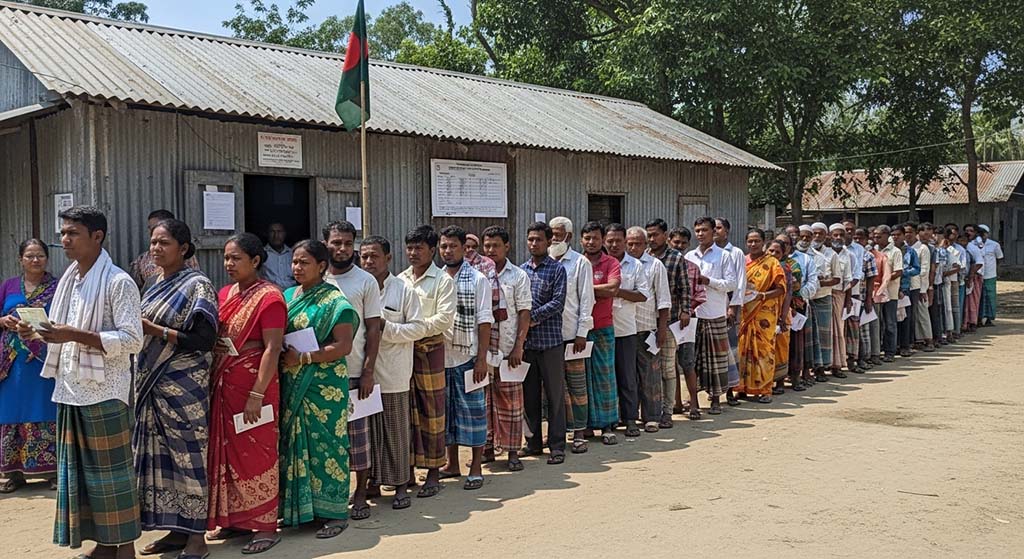
Democracy is a system of government where people have the power to choose their leaders. The word democracy comes from Greek words meaning “rule by the people.” In a democratic country, people can vote to elect their representatives. These representatives make laws and take decisions for the country. Bangladesh is a democratic nation where people exercise their rights through voting. In democracy, everyone has freedom of speech, which means they can express their opinions freely. People also have equal rights before the law. Democracy gives people the chance to participate in government and have a say in how their country is run. It respects human dignity and values. For democracy to work well, people must be aware of their rights and duties. Everyone should vote honestly and choose good leaders who will work for the welfare of all people.
Key Vocabulary:
| English Word | Bangla Meaning |
|---|---|
| Democracy | গণতন্ত্র |
| government | সরকার |
| power | ক্ষমতা |
| choose | নির্বাচন করা |
| leaders | নেতা |
| democratic | গণতান্ত্রিক |
| vote | ভোট দেওয়া |
| elect | নির্বাচিত করা |
| representatives | প্রতিনিধি |
| laws | আইন |
| decisions | সিদ্ধান্ত |
| Bangladesh | বাংলাদেশ |
| exercise | প্রয়োগ করা |
| rights | অধিকার |
| voting | ভোটদান |
| freedom | স্বাধীনতা |
| speech | বক্তব্য |
| express | প্রকাশ করা |
| opinions | মতামত |
| equal rights | সমান অধিকার |
| law | আইন |
| chance | সুযোগ |
| participate | অংশগ্রহণ করা |
| run | পরিচালনা করা |
| respects | সম্মান করে |
| dignity | মর্যাদা |
| values | মূল্যবোধ |
| aware | সচেতন |
| duties | কর্তব্য |
| honestly | সততার সাথে |
| welfare | কল্যাণ |
Democracy Paragraph for Class 7 & 8 (250 words)
Democracy is a form of government where power belongs to the people. It is based on the principle that all citizens have equal rights to participate in decision-making for their country. The word “democracy” comes from two Greek words: “demos” meaning people and “kratos” meaning power or rule. In a democratic system, people elect their representatives through free and fair elections. These elected representatives form the government and make laws and policies on behalf of the people.
Bangladesh achieved democracy after a long struggle for independence. In our country, people aged 18 and above have the right to vote. Democracy gives people several fundamental rights including freedom of speech, freedom of religion, freedom of movement, and the right to education. People can criticize the government if they are not doing good work. The media can report freely about different issues. In democracy, everyone is equal before the law, whether rich or poor.
However, democracy also comes with responsibilities. Citizens must be educated and aware of their rights and duties. They should participate actively in elections and choose honest and capable leaders. They should respect the opinions of others even if they disagree. They should follow laws and work for the development of the country. Democracy works best when people are tolerant, responsible, and committed to the welfare of society.
For democracy to succeed in Bangladesh, we need to overcome challenges like corruption, lack of education, and political violence. Everyone must work together to strengthen our democratic system and make our country a better place for all.
Key Vocabulary:
| English Word | Bangla Meaning |
|---|---|
| Democracy | গণতন্ত্র |
| government | সরকার |
| power | ক্ষমতা |
| principle | নীতি |
| citizens | নাগরিক |
| equal rights | সমান অধিকার |
| participate | অংশগ্রহণ করা |
| decision-making | সিদ্ধান্ত গ্রহণ |
| democratic system | গণতান্ত্রিক ব্যবস্থা |
| elect | নির্বাচিত করা |
| representatives | প্রতিনিধি |
| elections | নির্বাচন |
| elected | নির্বাচিত |
| laws | আইন |
| policies | নীতিমালা |
| achieved | অর্জন করেছে |
| struggle | সংগ্রাম |
| independence | স্বাধীনতা |
| right to vote | ভোটের অধিকার |
| fundamental rights | মৌলিক অধিকার |
| freedom of speech | বাক স্বাধীনতা |
| freedom of religion | ধর্মীয় স্বাধীনতা |
| freedom of movement | চলাফেরার স্বাধীনতা |
| right to education | শিক্ষার অধিকার |
| criticize | সমালোচনা করা |
| media | গণমাধ্যম |
| freely | স্বাধীনভাবে |
| issues | বিষয়সমূহ |
| equal | সমান |
| law | আইন |
| responsibilities | দায়িত্ব |
| Citizens | নাগরিক |
| educated | শিক্ষিত |
| aware | সচেতন |
| duties | কর্তব্য |
| participate | অংশগ্রহণ করা |
| elections | নির্বাচন |
| honest | সৎ |
| capable | যোগ্য |
| respect | সম্মান করা |
| opinions | মতামত |
| disagree | দ্বিমত পোষণ করা |
| development | উন্নয়ন |
| tolerant | সহনশীল |
| responsible | দায়িত্বশীল |
| committed | প্রতিশ্রুতিবদ্ধ |
| welfare | কল্যাণ |
| succeed | সফল হওয়া |
| overcome | কাটিয়ে ওঠা |
| challenges | চ্যালেঞ্জ |
| corruption | দুর্নীতি |
| lack of education | শিক্ষার অভাব |
| political violence | রাজনৈতিক সহিংসতা |
| strengthen | শক্তিশালী করা |
| democratic | গণতান্ত্রিক |
Democracy Paragraph for SSC or Class 9 & 10 (350 words)
Democracy is a system of government in which supreme power is vested in the people and exercised by them directly or through a system of representation, usually through free elections. It is considered the most fair and just form of government as it ensures that every citizen has a voice in how their country is governed. The concept of democracy is built on fundamental principles such as political equality, freedom, rule of law, and respect for individual rights. Bangladesh, after gaining independence in 1971, adopted a democratic system and continues to uphold these democratic values.
In a democratic country like Bangladesh, citizens enjoy various fundamental rights guaranteed by the Constitution. These include freedom of speech and expression, freedom of religion, freedom of assembly, and the right to vote. People can express their opinions without fear, practice their religion freely, and participate in peaceful gatherings. The right to vote is perhaps the most important democratic right, as it allows people to choose their representatives who will make decisions on their behalf. In Bangladesh, every citizen aged 18 and above can vote in national and local elections.
Democracy also establishes the rule of law, meaning that everyone, including government officials and politicians, must follow the law. No one is above the law, and everyone has equal protection under it. The judiciary operates independently to ensure justice. Democratic governments are accountable to the people, and if they fail to perform well, people can vote them out in the next election. This accountability makes democracy different from dictatorships where rulers have unlimited power.
However, democracy faces several challenges in Bangladesh. Corruption, political intolerance, vote rigging, and lack of awareness among citizens are major problems. Illiteracy and poverty make it difficult for many people to understand their rights and exercise them properly. Political parties sometimes prioritize their own interests over the public good. Freedom of press is sometimes restricted, which affects the transparency of democratic processes.
To strengthen democracy in Bangladesh, we need several reforms. Education about democratic values should be widespread. Citizens must be made aware of their rights and responsibilities. Election processes should be made more transparent and fair. Corruption must be eliminated, and the rule of law must be enforced strictly. Political tolerance and respect for different opinions should be promoted. Only when these conditions are met can democracy truly flourish and bring prosperity and justice to all people in Bangladesh.
Key Vocabulary:
| English Word | Bangla Meaning |
|---|---|
| Democracy | গণতন্ত্র |
| government | সরকার |
| supreme power | সর্বোচ্চ ক্ষমতা |
| vested | ন্যস্ত |
| exercised | প্রয়োগ করা |
| directly | সরাসরি |
| representation | প্রতিনিধিত্ব |
| free elections | অবাধ নির্বাচন |
| fair | ন্যায়সঙ্গত |
| just | ন্যায়পরায়ণ |
| ensures | নিশ্চিত করে |
| citizen | নাগরিক |
| voice | কণ্ঠস্বর |
| governed | শাসিত |
| concept | ধারণা |
| fundamental principles | মৌলিক নীতি |
| political equality | রাজনৈতিক সমতা |
| freedom | স্বাধীনতা |
| rule of law | আইনের শাসন |
| respect | সম্মান |
| individual rights | ব্যক্তি অধিকার |
| independence | স্বাধীনতা |
| adopted | গ্রহণ করেছে |
| democratic | গণতান্ত্রিক |
| uphold | বজায় রাখা |
| democratic values | গণতান্ত্রিক মূল্যবোধ |
| citizens | নাগরিক |
| fundamental rights | মৌলিক অধিকার |
| guaranteed | নিশ্চিত |
| Constitution | সংবিধান |
| freedom of speech | বাক স্বাধীনতা |
| expression | মতপ্রকাশ |
| freedom of religion | ধর্মীয় স্বাধীনতা |
| freedom of assembly | সমাবেশের স্বাধীনতা |
| right to vote | ভোটের অধিকার |
| express | প্রকাশ করা |
| opinions | মতামত |
| freely | স্বাধীনভাবে |
| participate | অংশগ্রহণ করা |
| peaceful gatherings | শান্তিপূর্ণ সমাবেশ |
| important | গুরুত্বপূর্ণ |
| representatives | প্রতিনিধি |
| decisions | সিদ্ধান্ত |
| national | জাতীয় |
| local elections | স্থানীয় নির্বাচন |
| establishes | প্রতিষ্ঠা করে |
| rule of law | আইনের শাসন |
| government officials | সরকারি কর্মকর্তা |
| politicians | রাজনীতিবিদ |
| law | আইন |
| equal protection | সমান সুরক্ষা |
| judiciary | বিচার বিভাগ |
| independently | স্বাধীনভাবে |
| ensure justice | ন্যায়বিচার নিশ্চিত করা |
| Democratic | গণতান্ত্রিক |
| accountable | জবাবদিহিতামূলক |
| perform | কাজ করা |
| vote | ভোট দেওয়া |
| election | নির্বাচন |
| accountability | জবাবদিহিতা |
| different | ভিন্ন |
| dictatorships | স্বৈরতন্ত্র |
| unlimited power | সীমাহীন ক্ষমতা |
| faces | সম্মুখীন হয় |
| challenges | চ্যালেঞ্জ |
| Corruption | দুর্নীতি |
| political intolerance | রাজনৈতিক অসহিষ্ণুতা |
| vote rigging | ভোট কারচুপি |
| lack of awareness | সচেতনতার অভাব |
| major problems | প্রধান সমস্যা |
| Illiteracy | নিরক্ষরতা |
| poverty | দারিদ্র্য |
| understand | বোঝা |
| exercise | প্রয়োগ করা |
| properly | সঠিকভাবে |
| Political parties | রাজনৈতিক দল |
| prioritize | অগ্রাধিকার দেওয়া |
| interests | স্বার্থ |
| public good | জনকল্যাণ |
| Freedom of press | সংবাদপত্রের স্বাধীনতা |
| restricted | সীমাবদ্ধ |
| affects | প্রভাবিত করে |
| transparency | স্বচ্ছতা |
| democratic processes | গণতান্ত্রিক প্রক্রিয়া |
| strengthen | শক্তিশালী করা |
| reforms | সংস্কার |
| Education | শিক্ষা |
| democratic values | গণতান্ত্রিক মূল্যবোধ |
| widespread | ব্যাপক |
| aware | সচেতন |
| responsibilities | দায়িত্ব |
| Election | নির্বাচন |
| transparent | স্বচ্ছ |
| fair | ন্যায্য |
| eliminated | নির্মূল করা |
| enforced | প্রয়োগ করা |
| strictly | কঠোরভাবে |
| Political tolerance | রাজনৈতিক সহনশীলতা |
| promoted | প্রচার করা |
| conditions | শর্ত |
| flourish | সমৃদ্ধ হওয়া |
| prosperity | সমৃদ্ধি |
| justice | ন্যায়বিচার |
Democracy Paragraph for HSC or Class 11 & 12 (450 words)
Democracy, derived from the Greek words “demos” (people) and “kratos” (power), represents a political system where sovereignty resides with the people who exercise their authority either directly or through elected representatives. It is widely regarded as the most legitimate form of governance as it embodies the principles of political equality, civil liberties, rule of law, and popular sovereignty. Democracy is not merely a procedural mechanism for selecting leaders; it is a comprehensive framework that protects individual freedoms, promotes social justice, and ensures governmental accountability. Bangladesh, having emerged as an independent nation in 1971 through a liberation war, embraced democracy as its foundational political ideology, though the journey has been marked by both achievements and setbacks.
The essence of democracy lies in its core principles and institutions. Free and fair elections form the cornerstone of any democratic system, allowing citizens to periodically choose their representatives without coercion or manipulation. The separation of powers among the executive, legislative, and judicial branches prevents the concentration of power and provides checks and balances. Fundamental rights enshrined in the Constitution guarantee freedoms of speech, assembly, religion, and movement, while protecting citizens from arbitrary state action. The rule of law ensures that all individuals, regardless of their status or position, are subject to the same legal framework. An independent judiciary serves as the guardian of the Constitution and arbiter of disputes. A free press acts as a watchdog, exposing corruption and holding authorities accountable. Civil society organizations play a crucial role in mobilizing citizens, advocating for reforms, and monitoring governmental performance.
Bangladesh’s democratic experience has been complex and challenging. While the country has witnessed multiple peaceful transfers of power through elections, it has also grappled with issues of political instability, authoritarian tendencies, electoral malpractices, and violence. Political polarization has often impeded constructive dialogue and compromise. Corruption remains a persistent problem, undermining public trust and diverting resources from developmental priorities. Illiteracy and poverty limit many citizens’ ability to meaningfully participate in democratic processes. Press freedom has faced constraints, affecting the media’s capacity to function as an effective check on power. Judicial independence has sometimes been compromised, weakening the rule of law. Intolerance toward dissenting voices and minority opinions has created an environment of fear and self-censorship.
Strengthening democracy in Bangladesh requires comprehensive and sustained efforts across multiple dimensions. Electoral reforms must ensure genuinely free, fair, and participatory elections with credible oversight mechanisms. Civic education should be prioritized to cultivate democratic values, critical thinking, and active citizenship from an early age. Anti-corruption measures must be vigorously implemented, with transparent governance and accountability systems. Judicial reforms should safeguard the independence and efficiency of the judiciary. Press freedom must be protected and enhanced to enable robust public debate. Political culture needs to evolve toward greater tolerance, inclusivity, and respect for pluralism. Civil society should be empowered to engage in advocacy and oversight. Decentralization of power can bring governance closer to the people and enhance local participation. Economic development and poverty reduction are essential to create the material conditions for meaningful democratic participation.
The future of democracy in Bangladesh depends on the collective commitment of all stakeholders—political leaders, institutions, civil society, and ordinary citizens—to uphold democratic norms, respect constitutional provisions, and work collaboratively toward a more just, inclusive, and prosperous society. Democracy is not a static achievement but a continuous process requiring constant vigilance, participation, and renewal. Only through genuine democratic practices can Bangladesh realize its potential and ensure dignity, freedom, and opportunity for all its citizens.
Key Vocabulary:
| English Word | Bangla Meaning |
|---|---|
| Democracy | গণতন্ত্র |
| political system | রাজনৈতিক ব্যবস্থা |
| sovereignty | সার্বভৌমত্ব |
| exercise | প্রয়োগ করা |
| authority | কর্তৃত্ব |
| directly | সরাসরি |
| elected representatives | নির্বাচিত প্রতিনিধি |
| legitimate | বৈধ |
| governance | শাসন |
| embodies | মূর্ত করে |
| principles | নীতিসমূহ |
| political equality | রাজনৈতিক সমতা |
| civil liberties | নাগরিক স্বাধীনতা |
| rule of law | আইনের শাসন |
| popular sovereignty | জনগণের সার্বভৌমত্ব |
| procedural mechanism | পদ্ধতিগত ব্যবস্থা |
| selecting | নির্বাচন করা |
| comprehensive framework | ব্যাপক কাঠামো |
| protects | রক্ষা করে |
| individual freedoms | ব্যক্তি স্বাধীনতা |
| promotes | প্রচার করে |
| social justice | সামাজিক ন্যায়বিচার |
| ensures | নিশ্চিত করে |
| governmental accountability | সরকারি জবাবদিহিতা |
| emerged | আবির্ভূত হয়েছে |
| independent | স্বাধীন |
| liberation war | মুক্তিযুদ্ধ |
| embraced | আলিঙ্গন করেছে |
| foundational political ideology | মৌলিক রাজনৈতিক মতাদর্শ |
| achievements | অর্জন |
| setbacks | বিপর্যয় |
| essence | সারমর্ম |
| core principles | মূল নীতি |
| institutions | প্রতিষ্ঠান |
| Free and fair elections | অবাধ ও সুষ্ঠু নির্বাচন |
| cornerstone | মূল ভিত্তি |
| democratic system | গণতান্ত্রিক ব্যবস্থা |
| citizens | নাগরিক |
| periodically | পর্যায়ক্রমে |
| representatives | প্রতিনিধি |
| coercion | জবরদস্তি |
| manipulation | কারসাজি |
| separation of powers | ক্ষমতার পৃথকীকরণ |
| executive | নির্বাহী |
| legislative | আইন প্রণয়নকারী |
| judicial | বিচার বিভাগীয় |
| prevents | প্রতিরোধ করে |
| concentration | কেন্দ্রীকরণ |
| provides | প্রদান করে |
| checks and balances | নিয়ন্ত্রণ এবং ভারসাম্য |
| Fundamental rights | মৌলিক অধিকার |
| enshrined | সংরক্ষিত |
| Constitution | সংবিধান |
| guarantee | নিশ্চয়তা |
| freedoms | স্বাধীনতা |
| speech | বক্তব্য |
| assembly | সমাবেশ |
| religion | ধর্ম |
| movement | চলাচল |
| protecting | রক্ষা করা |
| arbitrary | স্বেচ্ছাচারী |
| rule of law | আইনের শাসন |
| status | মর্যাদা |
| position | পদ |
| subject | অধীন |
| legal framework | আইনি কাঠামো |
| independent judiciary | স্বাধীন বিচার বিভাগ |
| guardian | অভিভাবক |
| arbiter | সালিস |
| disputes | বিরোধ |
| free press | মুক্ত সংবাদমাধ্যম |
| watchdog | নজরদারি |
| exposing | প্রকাশ করা |
| corruption | দুর্নীতি |
| holding | ধরে রাখা |
| authorities accountable | কর্তৃপক্ষকে জবাবদিহিমূলক |
| Civil society organizations | নাগরিক সমাজ সংগঠন |
| crucial | গুরুত্বপূর্ণ |
| mobilizing | সংগঠিত করা |
| advocating | সমর্থন করা |
| reforms | সংস্কার |
| monitoring | পর্যবেক্ষণ |
| governmental performance | সরকারি কর্মক্ষমতা |
| democratic experience | গণতান্ত্রিক অভিজ্ঞতা |
| complex | জটিল |
| challenging | চ্যালেঞ্জিং |
| witnessed | প্রত্যক্ষ করেছে |
| multiple | একাধিক |
| peaceful transfers | শান্তিপূর্ণ হস্তান্তর |
| elections | নির্বাচন |
| grappled | সংগ্রাম করেছে |
| political instability | রাজনৈতিক অস্থিতিশীলতা |
| authoritarian tendencies | কর্তৃত্ববাদী প্রবণতা |
| electoral malpractices | নির্বাচনী অনিয়ম |
| violence | সহিংসতা |
| Political polarization | রাজনৈতিক মেরুকরণ |
| impeded | বাধা দিয়েছে |
| constructive dialogue | গঠনমূলক সংলাপ |
| compromise | সমঝোতা |
| persistent | দীর্ঘস্থায়ী |
| undermining | ক্ষুণ্ন করা |
| public trust | জনগণের আস্থা |
| diverting resources | সম্পদ সরিয়ে নেওয়া |
| developmental priorities | উন্নয়ন অগ্রাধিকার |
| Illiteracy | নিরক্ষরতা |
| poverty | দারিদ্র্য |
| meaningfully participate | অর্থপূর্ণভাবে অংশগ্রহণ |
| democratic processes | গণতান্ত্রিক প্রক্রিয়া |
| Press freedom | সংবাদপত্রের স্বাধীনতা |
| faced | সম্মুখীন হয়েছে |
| constraints | বাধা |
| affecting | প্রভাবিত করা |
| media’s capacity | মিডিয়ার সক্ষমতা |
| effective | কার্যকর |
| check | নিয়ন্ত্রণ |
| Judicial independence | বিচার বিভাগের স্বাধীনতা |
| compromised | আপোসকৃত |
| weakening | দুর্বল করা |
| Intolerance | অসহিষ্ণুতা |
| dissenting voices | বিরোধী কণ্ঠস্বর |
| minority | সংখ্যালঘু |
| opinions | মতামত |
| created | সৃষ্টি করেছে |
| environment | পরিবেশ |
| fear | ভয় |
| self-censorship | আত্ম-সেন্সরশিপ |
| Strengthening | শক্তিশালী করা |
| comprehensive | ব্যাপক |
| sustained efforts | টেকসই প্রচেষ্টা |
| multiple dimensions | বহুমাত্রিক |
| Electoral reforms | নির্বাচনী সংস্কার |
| ensure | নিশ্চিত করা |
| free | মুক্ত |
| fair | ন্যায্য |
| participatory elections | অংশগ্রহণমূলক নির্বাচন |
| credible oversight | বিশ্বাসযোগ্য তদারকি |
| mechanisms | ব্যবস্থা |
| Civic education | নাগরিক শিক্ষা |
| prioritized | অগ্রাধিকার দেওয়া |
| cultivate | চাষ করা |
| democratic values | গণতান্ত্রিক মূল্যবোধ |
| critical thinking | সমালোচনামূলক চিন্তাভাবনা |
| active citizenship | সক্রিয় নাগরিকত্ব |
| Anti-corruption | দুর্নীতি দমন |
| vigorously implemented | কঠোরভাবে বাস্তবায়িত |
| transparent | স্বচ্ছ |
| accountability systems | জবাবদিহিতা ব্যবস্থা |
| Judicial reforms | বিচার বিভাগীয় সংস্কার |
| safeguard | রক্ষা করা |
| independence | স্বাধীনতা |
| efficiency | দক্ষতা |
| judiciary | বিচার বিভাগ |
| Press freedom | সংবাদপত্রের স্বাধীনতা |
| protected | সুরক্ষিত |
| enhanced | বর্ধিত |
| robust | শক্তিশালী |
| debate | বিতর্ক |
| Political culture | রাজনৈতিক সংস্কৃতি |
| evolve | বিকশিত হওয়া |
| tolerance | সহনশীলতা |
| inclusivity | অন্তর্ভুক্তি |
| respect | সম্মান |
| pluralism | বহুত্ববাদ |
| Civil society | নাগরিক সমাজ |
| empowered | ক্ষমতায়িত |
| engage | জড়িত হওয়া |
| advocacy | সমর্থন |
| oversight | তদারকি |
| Decentralization | বিকেন্দ্রীকরণ |
| governance | শাসন |
| enhance | উন্নত করা |
| local participation | স্থানীয় অংশগ্রহণ |
| Economic development | অর্থনৈতিক উন্নয়ন |
| poverty reduction | দারিদ্র্য হ্রাস |
| essential | অপরিহার্য |
| material conditions | বস্তুগত শর্ত |
| meaningful democratic participation | অর্থপূর্ণ গণতান্ত্রিক অংশগ্রহণ |
| future | ভবিষ্যৎ |
| collective commitment | সমষ্টিগত প্রতিশ্রুতি |
| stakeholders | স্টেকহোল্ডার |
| political leaders | রাজনৈতিক নেতা |
| institutions | প্রতিষ্ঠান |
| civil society | নাগরিক সমাজ |
| ordinary citizens | সাধারণ নাগরিক |
| uphold | বজায় রাখা |
| democratic norms | গণতান্ত্রিক নীতি |
| constitutional | সাংবিধানিক |
| provisions | বিধান |
| collaboratively | সহযোগিতামূলকভাবে |
| just | ন্যায়সঙ্গত |
| inclusive | অন্তর্ভুক্তিমূলক |
| prosperous | সমৃদ্ধ |
| static achievement | স্থির অর্জন |
| continuous process | ক্রমাগত প্রক্রিয়া |
| constant vigilance | ক্রমাগত সতর্কতা |
| participation | অংশগ্রহণ |
| renewal | নবায়ন |
| genuine democratic practices | প্রকৃত গণতান্ত্রিক চর্চা |
| realize | উপলব্ধি করা |
| potential | সম্ভাবনা |
| ensure | নিশ্চিত করা |
| dignity | মর্যাদা |
| freedom | স্বাধীনতা |
| opportunity | সুযোগ |
| citizens | নাগরিক |
Exam-Style FAQs on Democracy
Q1: What is democracy and what does the word mean?
Answer: Democracy is a system of government where power belongs to the people. The word comes from Greek: “demos” meaning people and “kratos” meaning power or rule.
Key Vocabulary: democracy (গণতন্ত্র), government (সরকার), power (ক্ষমতা)
Q2: What are the main principles of democracy?
Answer: The main principles are political equality, freedom of speech, rule of law, free elections, separation of powers, and protection of fundamental rights for all citizens.
Key Vocabulary: principles (নীতি), democracy (গণতন্ত্র), political equality (রাজনৈতিক সমতা), freedom (স্বাধীনতা), speech (বক্তব্য), rule of law (আইনের শাসন), free elections (অবাধ নির্বাচন), separation of powers (ক্ষমতার পৃথকীকরণ), protection (সুরক্ষা), fundamental rights (মৌলিক অধিকার), citizens (নাগরিক)
Q3: What fundamental rights do citizens have in a democracy like Bangladesh?
Answer: Citizens have freedom of speech, freedom of religion, freedom of movement, freedom of assembly, right to vote, right to education, and equal rights before the law.
Key Vocabulary: fundamental rights (মৌলিক অধিকার), citizens (নাগরিক), democracy (গণতন্ত্র), freedom of speech (বাক স্বাধীনতা), freedom of religion (ধর্মীয় স্বাধীনতা), freedom of movement (চলাফেরার স্বাধীনতা), freedom of assembly (সমাবেশের স্বাধীনতা), right to vote (ভোটের অধিকার), right to education (শিক্ষার অধিকার), equal rights (সমান অধিকার), law (আইন)
Q4: What is the importance of free and fair elections in democracy?
Answer: Free and fair elections allow citizens to choose their representatives without coercion. They ensure peaceful transfer of power and make governments accountable to the people.
Key Vocabulary: free and fair elections (অবাধ ও সুষ্ঠু নির্বাচন), democracy (গণতন্ত্র), citizens (নাগরিক), representatives (প্রতিনিধি), coercion (জবরদস্তি), ensure (নিশ্চিত করা), peaceful transfer (শান্তিপূর্ণ হস্তান্তর), governments accountable (সরকার জবাবদিহিমূলক)
Q5: What are the main challenges facing democracy in Bangladesh?
Answer: Main challenges include corruption, political intolerance, vote rigging, lack of awareness among citizens, illiteracy, poverty, press freedom restrictions, and political violence.
Key Vocabulary: challenges (চ্যালেঞ্জ), democracy (গণতন্ত্র), corruption (দুর্নীতি), political intolerance (রাজনৈতিক অসহিষ্ণুতা), vote rigging (ভোট কারচুপি), lack of awareness (সচেতনতার অভাব), citizens (নাগরিক), illiteracy (নিরক্ষরতা), poverty (দারিদ্র্য), press freedom restrictions (সংবাদপত্র স্বাধীনতা সীমাবদ্ধতা), political violence (রাজনৈতিক সহিংসতা)
Q6: What is the rule of law and why is it important in democracy?
Answer: The rule of law means everyone, including government officials, must follow the law equally. It prevents arbitrary power and ensures justice and equality for all.
Key Vocabulary: rule of law (আইনের শাসন), democracy (গণতন্ত্র), government officials (সরকারি কর্মকর্তা), law (আইন), prevents (প্রতিরোধ করে), arbitrary (স্বেচ্ছাচারী), ensures (নিশ্চিত করে), justice (ন্যায়বিচার), equality (সমতা)
Q7: What responsibilities do citizens have in a democratic system?
Answer: Citizens should vote honestly, respect different opinions, follow laws, be aware of their rights, participate in elections, and work for national development.
Key Vocabulary: responsibilities (দায়িত্ব), citizens (নাগরিক), democratic (গণতান্ত্রিক), vote (ভোট দেওয়া), honestly (সততার সাথে), respect (সম্মান করা), opinions (মতামত), laws (আইন), aware (সচেতন), participate (অংশগ্রহণ করা), elections (নির্বাচন), national development (জাতীয় উন্নয়ন)
Q8: How does democracy differ from dictatorship?
Answer: In democracy, people choose leaders through elections and have fundamental rights. In dictatorship, one person has unlimited power, there are no free elections, and freedom is restricted.
Key Vocabulary: democracy (গণতন্ত্র), dictatorship (স্বৈরতন্ত্র), elections (নির্বাচন), fundamental rights (মৌলিক অধিকার), unlimited power (সীমাহীন ক্ষমতা), free elections (অবাধ নির্বাচন), freedom (স্বাধীনতা), restricted (সীমাবদ্ধ)
Q9: What is the role of free press in democracy?
Answer: Free press acts as a watchdog, exposes corruption, reports on government activities, provides information to citizens, and holds authorities accountable.
Key Vocabulary: free press (মুক্ত সংবাদমাধ্যম), democracy (গণতন্ত্র), watchdog (নজরদারি), exposes (প্রকাশ করে), corruption (দুর্নীতি), reports (প্রতিবেদন করে), government (সরকার), citizens (নাগরিক), holds authorities accountable (কর্তৃপক্ষকে জবাবদিহিমূলক রাখে)
Q10: How can democracy be strengthened in Bangladesh?
Answer: By ensuring free elections, promoting civic education, eliminating corruption, protecting press freedom, enforcing the rule of law, and encouraging political tolerance and respect for different opinions.
Key Vocabulary: democracy (গণতন্ত্র), strengthened (শক্তিশালী করা), ensuring (নিশ্চিত করা), free elections (অবাধ নির্বাচন), promoting (প্রচার করা), civic education (নাগরিক শিক্ষা), eliminating corruption (দুর্নীতি নির্মূল করা), protecting (রক্ষা করা), press freedom (সংবাদপত্রের স্বাধীনতা), enforcing (প্রয়োগ করা), rule of law (আইনের শাসন), encouraging (উৎসাহিত করা), political tolerance (রাজনৈতিক সহনশীলতা), respect (সম্মান), opinions (মতামত)