




Air Pollution Paragraph for Class 6 & 7 (150 words)
Air pollution means the presence of harmful things in the air we breathe. Clean air is very important for our health, but nowadays our air is becoming dirty day by day. Many things cause air pollution. Smoke from factories and vehicles is the main cause. When people burn garbage and wood, it also makes the air dirty. Dust from construction sites and roads adds to the problem. Air pollution is very harmful to our health. It causes many diseases like cough, cold, and breathing problems. It also harms plants and animals. In Bangladesh, Dhaka city has very bad air pollution. To reduce air pollution, we should plant more trees. We should not burn garbage in open places. We should use public transport instead of private cars. Everyone should work together to keep our air clean and healthy.
Key Vocabulary:
| English Word | Bangla Meaning |
|---|---|
| Air pollution | বায়ু দূষণ |
| presence | উপস্থিতি |
| harmful | ক্ষতিকর |
| breathe | শ্বাস নেওয়া |
| Clean | পরিষ্কার |
| important | গুরুত্বপূর্ণ |
| health | স্বাস্থ্য |
| dirty | নোংরা |
| cause | কারণ |
| Smoke | ধোঁয়া |
| factories | কারখানা |
| vehicles | যানবাহন |
| burn | পোড়ানো |
| garbage | আবর্জনা |
| wood | কাঠ |
| Dust | ধুলা |
| construction | নির্মাণ |
| diseases | রোগ |
| cough | কাশি |
| breathing | শ্বাসপ্রশ্বাস |
| harms | ক্ষতি করে |
| plants | গাছপালা |
| animals | প্রাণী |
| Dhaka | ঢাকা |
| reduce | কমানো |
| plant | রোপণ করা |
| trees | গাছ |
| public transport | গণপরিবহন |
| private | ব্যক্তিগত |
| healthy | স্বাস্থ্যকর |
Air Pollution Paragraph for Class 7 & 8 (250 words)
Air pollution is one of the most serious environmental problems in the world today. It occurs when harmful substances like smoke, dust, chemicals, and gases mix with the air we breathe. Pure air is essential for the survival of all living beings, but human activities have made the air polluted and dangerous for health.
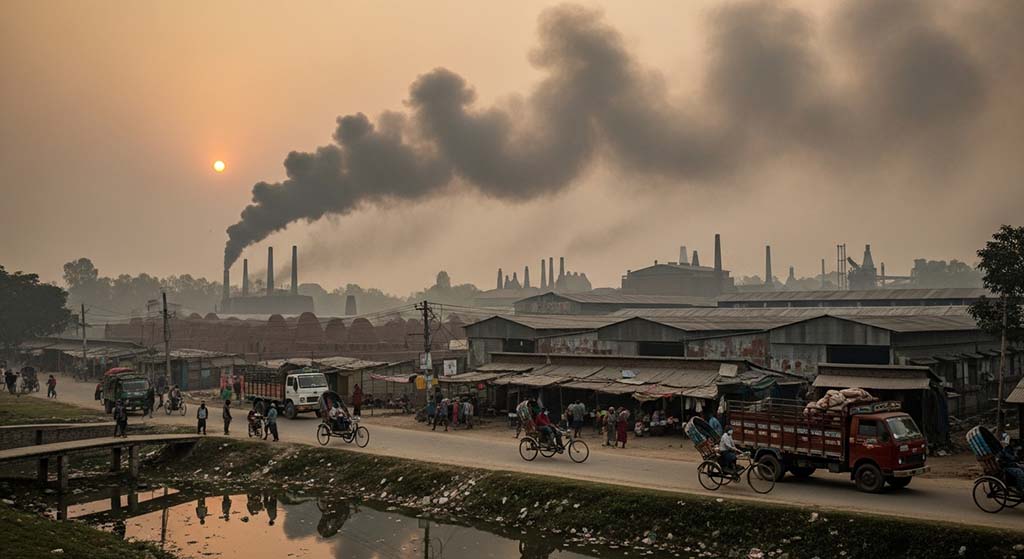
There are many sources of air pollution. The main source is the smoke that comes from factories and industries. They release a lot of harmful gases into the air. Vehicles like cars, buses, and trucks also produce a lot of smoke and fumes. In Bangladesh, the number of vehicles is increasing every day, which is making the air more polluted. Burning of garbage, plastic, and leaves in open spaces also pollutes the air. Brick kilns are another big source of air pollution in our country. Construction work creates a lot of dust that spreads in the air. Even using old and low-quality fuel for cooking can pollute the air inside our homes.
Air pollution has many harmful effects on our health and environment. It causes respiratory problems like asthma, bronchitis, and other lung diseases. People may suffer from eye irritation, headaches, and allergies. Children and old people are more affected by air pollution. It also damages crops and plants, which affects food production. Air pollution contributes to climate change and global warming.
We can prevent air pollution by taking some simple steps. We should use public transport more and reduce the use of private vehicles. Planting more trees can help purify the air. We should avoid burning garbage and use proper waste management. Everyone must work together to keep our air clean.
Key Vocabulary:
| English Word | Bangla Meaning |
|---|---|
| Air pollution | বায়ু দূষণ |
| serious | গুরুতর |
| environmental | পরিবেশগত |
| harmful substances | ক্ষতিকর পদার্থ |
| smoke | ধোঁয়া |
| dust | ধুলা |
| chemicals | রাসায়নিক পদার্থ |
| gases | গ্যাস |
| mix | মিশ্রিত হওয়া |
| Pure | বিশুদ্ধ |
| essential | অত্যাবশ্যক |
| survival | বেঁচে থাকা |
| living beings | জীবিত প্রাণী |
| activities | কার্যক্রম |
| polluted | দূষিত |
| dangerous | বিপজ্জনক |
| health | স্বাস্থ্য |
| sources | উৎস |
| factories | কারখানা |
| industries | শিল্প |
| release | নিঃসরণ করা |
| harmful gases | ক্ষতিকর গ্যাস |
| Vehicles | যানবাহন |
| fumes | ধোঁয়া/বাষ্প |
| Burning | পোড়ানো |
| garbage | আবর্জনা |
| plastic | প্লাস্টিক |
| leaves | পাতা |
| pollutes | দূষিত করে |
| Brick kilns | ইটভাটা |
| Construction | নির্মাণ |
| spreads | ছড়িয়ে পড়ে |
| low-quality fuel | নিম্নমানের জ্বালানি |
| cooking | রান্না |
| harmful effects | ক্ষতিকর প্রভাব |
| environment | পরিবেশ |
| respiratory | শ্বাসতন্ত্র সংক্রান্ত |
| asthma | হাঁপানি |
| bronchitis | শ্বাসনালীর প্রদাহ |
| lung diseases | ফুসফুসের রোগ |
| suffer | ভোগা |
| eye irritation | চোখ জ্বালা |
| headaches | মাথা ব্যথা |
| allergies | এলার্জি |
| affected | প্রভাবিত |
| damages | ক্ষতি করে |
| crops | ফসল |
| plants | গাছপালা |
| affects | প্রভাবিত করে |
| production | উৎপাদন |
| contributes | অবদান রাখে |
| climate change | জলবায়ু পরিবর্তন |
| global warming | বৈশ্বিক উষ্ণতা |
| prevent | প্রতিরোধ করা |
| simple steps | সহজ পদক্ষেপ |
| public transport | গণপরিবহন |
| private vehicles | ব্যক্তিগত যানবাহন |
| Planting | রোপণ করা |
| purify | বিশুদ্ধ করা |
| avoid | এড়ানো |
| proper waste management | সঠিক বর্জ্য ব্যবস্থাপনা |
Air Pollution Paragraph for SSC or Class 9 & 10 (350 words)
Air pollution is one of the most pressing environmental issues facing the world today, and Bangladesh is no exception. It refers to the contamination of the air by harmful substances that can adversely affect human health, wildlife, and the ecosystem. The air we breathe should be clean and pure, but due to various human activities, it has become polluted and hazardous, especially in urban areas like Dhaka, Chittagong, and other big cities.
The causes of air pollution are numerous and varied. The primary cause is the emission of smoke and harmful gases from industries and factories. These industrial units release toxic chemicals and particulate matter into the atmosphere. The rapidly increasing number of vehicles on the roads is another major contributor. Cars, buses, trucks, and motorcycles emit carbon dioxide, carbon monoxide, and other pollutants that deteriorate air quality. In Bangladesh, brick kilns are a significant source of air pollution, especially during the dry season. They use coal and wood as fuel, which produces a lot of smoke. Burning of agricultural waste, plastic, and household garbage in open spaces also adds to the problem. Construction activities and road dust contribute to particulate pollution. Additionally, the use of old and inefficient cooking stoves that burn biomass fuel causes indoor air pollution.
The effects of air pollution are far-reaching and alarming. It poses serious health risks, causing respiratory diseases like asthma, chronic bronchitis, and even lung cancer. Long-term exposure to polluted air can weaken the immune system and increase the risk of heart disease. Children, elderly people, and those with existing health conditions are particularly vulnerable. Air pollution also harms the environment. It damages plants and reduces crop yields, affecting food security. Acid rain, caused by air pollution, destroys forests and water bodies. Air pollution is a major contributor to climate change and global warming, which have severe consequences for our planet.
To combat air pollution, we need both individual and collective efforts. The government should enforce strict laws to control emissions from industries and vehicles. Promoting public transportation and encouraging the use of bicycles can reduce vehicle pollution. We should plant more trees as they absorb carbon dioxide and purify the air. Proper waste management systems should be implemented to prevent open burning of garbage. Awareness programs should be conducted to educate people about the dangers of air pollution and how they can help reduce it. By working together, we can make our air cleaner and safer for everyone.
Key Vocabulary:
| English Word | Bangla Meaning |
|---|---|
| Air pollution | বায়ু দূষণ |
| pressing environmental issues | জরুরি পরিবেশগত সমস্যা |
| exception | ব্যতিক্রম |
| contamination | দূষণ |
| harmful substances | ক্ষতিকর পদার্থ |
| adversely affect | বিরূপ প্রভাব ফেলা |
| wildlife | বন্যপ্রাণী |
| ecosystem | বাস্তুতন্ত্র |
| clean | পরিষ্কার |
| pure | বিশুদ্ধ |
| activities | কার্যক্রম |
| polluted | দূষিত |
| hazardous | বিপজ্জনক |
| urban areas | শহর এলাকা |
| causes | কারণসমূহ |
| numerous | অসংখ্য |
| varied | বিভিন্ন |
| primary | প্রধান |
| emission | নিঃসরণ |
| harmful gases | ক্ষতিকর গ্যাস |
| industries | শিল্প |
| factories | কারখানা |
| industrial units | শিল্প প্রতিষ্ঠান |
| toxic chemicals | বিষাক্ত রাসায়নিক |
| particulate matter | কণা পদার্থ |
| atmosphere | বায়ুমণ্ডল |
| vehicles | যানবাহন |
| major contributor | প্রধান অবদানকারী |
| emit | নিঃসরণ করা |
| carbon dioxide | কার্বন ডাই-অক্সাইড |
| carbon monoxide | কার্বন মনোক্সাইড |
| pollutants | দূষক |
| deteriorate | অবনতি ঘটানো |
| quality | মান |
| brick kilns | ইটভাটা |
| significant | উল্লেখযোগ্য |
| dry season | শুষ্ক মৌসুম |
| coal | কয়লা |
| wood | কাঠ |
| fuel | জ্বালানি |
| produces | উৎপন্ন করে |
| Burning | পোড়ানো |
| agricultural waste | কৃষি বর্জ্য |
| plastic | প্লাস্টিক |
| household garbage | গৃহস্থালি আবর্জনা |
| Construction activities | নির্মাণ কাজ |
| road dust | রাস্তার ধুলা |
| contribute | অবদান রাখা |
| particulate pollution | কণা দূষণ |
| old | পুরাতন |
| inefficient | অদক্ষ |
| cooking stoves | রান্নার চুলা |
| biomass fuel | জৈব জ্বালানি |
| indoor air pollution | ঘরের ভিতরের বায়ু দূষণ |
| effects | প্রভাবসমূহ |
| far-reaching | সুদূরপ্রসারী |
| alarming | উদ্বেগজনক |
| serious health risks | গুরুতর স্বাস্থ্য ঝুঁকি |
| respiratory diseases | শ্বাসতন্ত্রের রোগ |
| asthma | হাঁপানি |
| chronic bronchitis | দীর্ঘস্থায়ী ব্রঙ্কাইটিস |
| lung cancer | ফুসফুসের ক্যান্সার |
| Long-term exposure | দীর্ঘমেয়াদী সংস্পর্শ |
| weaken | দুর্বল করা |
| immune system | রোগ প্রতিরোধ ব্যবস্থা |
| increase | বৃদ্ধি করা |
| heart disease | হৃদরোগ |
| existing health conditions | বিদ্যমান স্বাস্থ্য সমস্যা |
| particularly vulnerable | বিশেষভাবে ঝুঁকিপূর্ণ |
| harms | ক্ষতি করে |
| environment | পরিবেশ |
| damages plants | গাছপালা ক্ষতিগ্রস্ত করে |
| reduces | হ্রাস করে |
| crop yields | ফসলের ফলন |
| affecting | প্রভাবিত করা |
| security | নিরাপত্তা |
| Acid rain | অ্যাসিড বৃষ্টি |
| destroys | ধ্বংস করে |
| water bodies | জলাশয় |
| major contributor | প্রধান অবদানকারী |
| climate change | জলবায়ু পরিবর্তন |
| global warming | বৈশ্বিক উষ্ণতা |
| severe consequences | গুরুতর পরিণতি |
| combat | মোকাবিলা করা |
| individual | ব্যক্তিগত |
| collective efforts | সমষ্টিগত প্রচেষ্টা |
| government | সরকার |
| enforce | প্রয়োগ করা |
| strict laws | কঠোর আইন |
| control emissions | নিঃসরণ নিয়ন্ত্রণ |
| Promoting | প্রচার করা |
| public transportation | গণপরিবহন |
| encouraging | উৎসাহিত করা |
| bicycles | সাইকেল |
| plant | রোপণ করা |
| trees | গাছ |
| absorb | শোষণ করা |
| purify | বিশুদ্ধ করা |
| Proper waste management systems | সঠিক বর্জ্য ব্যবস্থাপনা |
| implemented | বাস্তবায়ন করা |
| prevent | প্রতিরোধ করা |
| burning | পোড়ানো |
| Awareness programs | সচেতনতা কর্মসূচি |
| conducted | পরিচালনা করা |
| educate | শিক্ষিত করা |
| dangers | বিপদসমূহ |
| reduce | হ্রাস করা |
| safer | নিরাপদতর |
Air Pollution Paragraph for HSC or Class 11 & 12 (450 words)
Air pollution has emerged as one of the most critical environmental challenges of our time, threatening the sustainability of life on Earth. It is defined as the introduction of harmful substances into the atmosphere, which compromises air quality and poses significant risks to human health and the environment. In Bangladesh, particularly in urban centers like Dhaka, Chittagong, and Gazipur, air pollution has reached alarming levels, making it one of the most polluted countries in the world. This crisis demands urgent attention and comprehensive action from all stakeholders.
The causes of air pollution are multifaceted and interconnected. Industrial emissions remain the predominant source, with factories and manufacturing units releasing vast quantities of sulfur dioxide, nitrogen oxides, and particulate matter into the air. The transportation sector contributes significantly, with the exponential growth of motor vehicles leading to increased vehicular emissions. In Bangladesh, most vehicles run on fossil fuels and lack proper emission control systems, exacerbating the problem. Brick kilns, which are widespread across the country, use outdated technology and low-quality coal, generating massive amounts of pollutants during the production process. Agricultural practices such as crop burning and the use of chemical fertilizers also contribute to air degradation. Unplanned urbanization and deforestation have reduced green spaces, eliminating natural air purifiers. Construction activities release large amounts of dust and debris into the air. Furthermore, domestic sources like cooking with biomass fuels and burning solid waste in open areas aggravate indoor and outdoor air pollution.
The consequences of air pollution are profound and multidimensional. From a public health perspective, it is responsible for numerous ailments including cardiovascular diseases, respiratory infections, chronic obstructive pulmonary disease (COPD), and various forms of cancer. According to health experts, prolonged exposure to polluted air can impair cognitive function and developmental growth in children. Vulnerable populations, including pregnant women, the elderly, and individuals with pre-existing conditions, face heightened risks. Environmentally, air pollution disrupts ecosystems, acidifies soil and water, and diminishes biodiversity. It plays a crucial role in accelerating climate change through the greenhouse effect, leading to unpredictable weather patterns, rising sea levels, and more frequent natural disasters. Economically, the healthcare costs associated with pollution-related diseases and productivity losses due to illness place a substantial burden on the national economy.
Addressing air pollution requires a multifaceted approach combining policy interventions, technological innovations, and behavioral changes. The government must implement and rigorously enforce environmental regulations, mandating the use of cleaner technologies and renewable energy sources. Transitioning to electric vehicles and improving public transportation infrastructure can significantly reduce vehicular emissions. Modernizing brick kilns with energy-efficient technology and promoting sustainable agricultural practices are essential. Urban planning should prioritize green spaces and tree plantation drives. At the individual level, people should adopt eco-friendly habits like using public transport, minimizing energy consumption, and avoiding the burning of waste materials. Public awareness campaigns should be intensified to educate citizens about the gravity of the issue and their role in mitigation. International cooperation is also vital, as air pollution transcends geographical boundaries. Only through collective and sustained efforts can we hope to restore air quality, safeguard public health, and ensure a sustainable future for generations to come.
Key Vocabulary:
| English Word | Bangla Meaning |
|---|---|
| Air pollution | বায়ু দূষণ |
| critical environmental challenges | গুরুতর পরিবেশগত চ্যালেঞ্জ |
| threatening | হুমকি দেওয়া |
| sustainability | স্থায়িত্ব |
| introduction | সংযোজন |
| harmful substances | ক্ষতিকর পদার্থ |
| atmosphere | বায়ুমণ্ডল |
| compromises | ক্ষতিগ্রস্ত করে |
| quality | মান |
| significant risks | উল্লেখযোগ্য ঝুঁকি |
| environment | পরিবেশ |
| urban centers | শহর কেন্দ্র |
| alarming levels | উদ্বেগজনক মাত্রা |
| crisis | সংকট |
| urgent attention | জরুরি মনোযোগ |
| comprehensive action | ব্যাপক পদক্ষেপ |
| stakeholders | স্টেকহোল্ডার/সংশ্লিষ্ট পক্ষ |
| causes | কারণসমূহ |
| multifaceted | বহুমুখী |
| interconnected | আন্তঃসংযুক্ত |
| Industrial emissions | শিল্প নিঃসরণ |
| predominant | প্রধান |
| factories | কারখানা |
| manufacturing units | উৎপাদন ইউনিট |
| sulfur dioxide | সালফার ডাই-অক্সাইড |
| nitrogen oxides | নাইট্রোজেন অক্সাইড |
| particulate matter | কণা পদার্থ |
| transportation sector | পরিবহন খাত |
| contributes significantly | উল্লেখযোগ্যভাবে অবদান রাখে |
| exponential growth | দ্রুত বৃদ্ধি |
| motor vehicles | মোটরযান |
| vehicular emissions | যানবাহনের নিঃসরণ |
| fossil fuels | জীবাশ্ম জ্বালানি |
| proper emission control systems | সঠিক নিঃসরণ নিয়ন্ত্রণ ব্যবস্থা |
| exacerbating | আরও খারাপ করা |
| Brick kilns | ইটভাটা |
| widespread | ব্যাপক |
| outdated technology | পুরাতন প্রযুক্তি |
| low-quality coal | নিম্নমানের কয়লা |
| generating | উৎপন্ন করা |
| pollutants | দূষক |
| production process | উৎপাদন প্রক্রিয়া |
| Agricultural practices | কৃষি পদ্ধতি |
| crop burning | ফসল পোড়ানো |
| chemical fertilizers | রাসায়নিক সার |
| contribute | অবদান রাখা |
| degradation | অবনতি |
| Unplanned urbanization | অপরিকল্পিত নগরায়ণ |
| deforestation | বন উজাড় |
| reduced | হ্রাস করেছে |
| eliminating | অপসারণ করা |
| purifiers | পরিশোধক |
| Construction activities | নির্মাণ কাজ |
| release | ছেড়ে দেওয়া |
| dust | ধুলা |
| debris | ধ্বংসাবশেষ |
| domestic sources | গার্হস্থ্য উৎস |
| cooking | রান্না |
| biomass fuels | জৈব জ্বালানি |
| solid waste | কঠিন বর্জ্য |
| open areas | খোলা জায়গা |
| aggravate | বাড়িয়ে তোলা |
| indoor | অভ্যন্তরীণ |
| outdoor | বহিরাগত |
| consequences | পরিণতিসমূহ |
| profound | গভীর |
| multidimensional | বহুমাত্রিক |
| public health perspective | জনস্বাস্থ্য দৃষ্টিকোণ |
| responsible | দায়ী |
| ailments | অসুস্থতা |
| cardiovascular diseases | হৃদরোগ |
| respiratory infections | শ্বাসতন্ত্রের সংক্রমণ |
| chronic obstructive pulmonary disease | দীর্ঘস্থায়ী বাধাজনিত ফুসফুসের রোগ |
| cancer | ক্যান্সার |
| experts | বিশেষজ্ঞ |
| prolonged exposure | দীর্ঘস্থায়ী সংস্পর্শ |
| impair | ক্ষতিগ্রস্ত করা |
| cognitive function | জ্ঞানীয় কার্যক্ষমতা |
| developmental growth | বিকাশমূলক বৃদ্ধি |
| Vulnerable populations | ঝুঁকিপূর্ণ জনগোষ্ঠী |
| pregnant women | গর্ভবতী মহিলা |
| elderly | বয়স্ক |
| pre-existing conditions | পূর্ব-বিদ্যমান অবস্থা |
| heightened risks | বর্ধিত ঝুঁকি |
| Environmentally | পরিবেশগতভাবে |
| disrupts ecosystems | বাস্তুতন্ত্র ব্যাহত করে |
| acidifies | অম্লীয় করে |
| soil | মাটি |
| diminishes | হ্রাস করে |
| biodiversity | জীববৈচিত্র্য |
| crucial role | গুরুত্বপূর্ণ ভূমিকা |
| accelerating | ত্বরান্বিত করা |
| climate change | জলবায়ু পরিবর্তন |
| greenhouse effect | গ্রিনহাউস প্রভাব |
| unpredictable weather patterns | অনিয়মিত আবহাওয়ার ধরণ |
| rising sea levels | সমুদ্র স্তর বৃদ্ধি |
| frequent | ঘন ঘন |
| disasters | দুর্যোগ |
| Economically | অর্থনৈতিকভাবে |
| healthcare costs | স্বাস্থ্যসেবা খরচ |
| associated | সম্পর্কিত |
| productivity losses | উৎপাদনশীলতা ক্ষতি |
| illness | অসুস্থতা |
| substantial burden | যথেষ্ট বোঝা |
| national economy | জাতীয় অর্থনীতি |
| Addressing | সমাধান করা |
| multifaceted approach | বহুমুখী পদ্ধতি |
| combining | সমন্বয় করা |
| policy interventions | নীতি হস্তক্ষেপ |
| technological innovations | প্রযুক্তিগত উদ্ভাবন |
| behavioral changes | আচরণগত পরিবর্তন |
| implement | বাস্তবায়ন করা |
| rigorously enforce | কঠোরভাবে প্রয়োগ করা |
| environmental regulations | পরিবেশগত বিধি |
| mandating | বাধ্যতামূলক করা |
| cleaner technologies | পরিচ্ছন্ন প্রযুক্তি |
| renewable energy sources | নবায়নযোগ্য শক্তির উৎস |
| Transitioning | রূপান্তর |
| electric vehicles | বৈদ্যুতিক যান |
| improving | উন্নতি করা |
| public transportation infrastructure | গণপরিবহন অবকাঠামো |
| significantly reduce | উল্লেখযোগ্যভাবে হ্রাস করা |
| Modernizing | আধুনিকীকরণ |
| energy-efficient technology | শক্তি-সাশ্রয়ী প্রযুক্তি |
| promoting | প্রচার করা |
| sustainable agricultural practices | টেকসই কৃষি পদ্ধতি |
| essential | অপরিহার্য |
| Urban planning | নগর পরিকল্পনা |
| prioritize | অগ্রাধিকার দেওয়া |
| tree plantation drives | বৃক্ষরোপণ কর্মসূচি |
| individual level | ব্যক্তিগত পর্যায়ে |
| eco-friendly habits | পরিবেশবান্ধব অভ্যাস |
| public transport | গণপরিবহন |
| minimizing | হ্রাস করা |
| energy consumption | শক্তি খরচ |
| avoiding | এড়ানো |
| burning | পোড়ানো |
| waste materials | বর্জ্য পদার্থ |
| Public awareness campaigns | জনসচেতনতা প্রচারাভিযান |
| intensified | তীব্র করা |
| educate | শিক্ষিত করা |
| citizens | নাগরিক |
| gravity | গুরুত্ব |
| mitigation | প্রশমন |
| International cooperation | আন্তর্জাতিক সহযোগিতা |
| vital | অত্যাবশ্যক |
| transcends | অতিক্রম করে |
| geographical boundaries | ভৌগোলিক সীমানা |
| collective | সমষ্টিগত |
| sustained efforts | টেকসই প্রচেষ্টা |
| restore | পুনরুদ্ধার করা |
| safeguard | রক্ষা করা |
| ensure | নিশ্চিত করা |
| sustainable future | টেকসই ভবিষ্যৎ |
| generations to come | আগামী প্রজন্ম |
Exam-Style FAQs on Air Pollution
Q1: What is air pollution and why is it a serious problem?
Answer: Air pollution is the contamination of air by harmful substances like smoke, dust, and gases. It is serious because it causes health problems, damages the environment, and contributes to climate change.
Key Vocabulary: air pollution (বায়ু দূষণ), serious problem (গুরুতর সমস্যা), contamination (দূষণ), harmful substances (ক্ষতিকর পদার্থ), smoke (ধোঁয়া), dust (ধুলা), gases (গ্যাস), health problems (স্বাস্থ্য সমস্যা), damages (ক্ষতি করে), environment (পরিবেশ), contributes (অবদান রাখে), climate change (জলবায়ু পরিবর্তন)
Q2: What are the main sources of air pollution in Bangladesh?
Answer: The main sources are smoke from factories and vehicles, brick kilns, burning of garbage and agricultural waste, construction dust, and indoor cooking with low-quality fuel.
Key Vocabulary: sources (উৎস), air pollution (বায়ু দূষণ), smoke (ধোঁয়া), factories (কারখানা), vehicles (যানবাহন), brick kilns (ইটভাটা), burning (পোড়ানো), garbage (আবর্জনা), agricultural waste (কৃষি বর্জ্য), construction dust (নির্মাণ ধুলা), indoor cooking (ঘরের ভিতরে রান্না), low-quality fuel (নিম্নমানের জ্বালানি)
Q3: How does air pollution affect human health?
Answer: Air pollution causes respiratory diseases like asthma and bronchitis, heart disease, lung cancer, eye irritation, and headaches. It especially affects children and elderly people more severely.
Key Vocabulary: air pollution (বায়ু দূষণ), affect (প্রভাবিত করা), health (স্বাস্থ্য), respiratory diseases (শ্বাসতন্ত্রের রোগ), asthma (হাঁপানি), bronchitis (ব্রঙ্কাইটিস), heart disease (হৃদরোগ), lung cancer (ফুসফুসের ক্যান্সার), eye irritation (চোখ জ্বালা), headaches (মাথাব্যথা), affects (প্রভাবিত করে), elderly (বয়স্ক)
Q4: What are the environmental effects of air pollution?
Answer: Air pollution damages plants and crops, reduces biodiversity, causes acid rain that destroys forests and water bodies, and accelerates climate change and global warming.
Key Vocabulary: environmental effects (পরিবেশগত প্রভাব), air pollution (বায়ু দূষণ), damages plants (গাছপালা ক্ষতিগ্রস্ত করে), crops (ফসল), reduces (হ্রাস করে), biodiversity (জীববৈচিত্র্য), acid rain (অ্যাসিড বৃষ্টি), destroys (ধ্বংস করে), water bodies (জলাশয়), accelerates (ত্বরান্বিত করে), climate change (জলবায়ু পরিবর্তন), global warming (বৈশ্বিক উষ্ণতা)
Q5: Why are brick kilns a major source of air pollution in Bangladesh?
Answer: Brick kilns use outdated technology and burn low-quality coal and wood, which produces large amounts of smoke and harmful gases, especially during the dry season.
Key Vocabulary: brick kilns (ইটভাটা), source (উৎস), air pollution (বায়ু দূষণ), outdated technology (পুরাতন প্রযুক্তি), low-quality coal (নিম্নমানের কয়লা), wood (কাঠ), produces (উৎপন্ন করে), smoke (ধোঁয়া), harmful gases (ক্ষতিকর গ্যাস), dry season (শুষ্ক মৌসুম)
Q6: What individual steps can people take to reduce air pollution?
Answer: People can use public transport, plant trees, avoid burning garbage, use bicycles, minimize energy consumption, and adopt eco-friendly habits in daily life.
Key Vocabulary: individual steps (ব্যক্তিগত পদক্ষেপ), reduce air pollution (বায়ু দূষণ হ্রাস করা), public transport (গণপরিবহন), plant trees (গাছ রোপণ করা), avoid burning garbage (আবর্জনা পোড়ানো এড়ানো), bicycles (সাইকেল), minimize energy consumption (শক্তি খরচ কমানো), eco-friendly habits (পরিবেশবান্ধব অভ্যাস)
Q7: What role should the government play in controlling air pollution?
Answer: The government should enforce strict laws, promote cleaner technologies, improve public transportation, modernize brick kilns, and conduct awareness programs to educate citizens.
Key Vocabulary: government (সরকার), controlling air pollution (বায়ু দূষণ নিয়ন্ত্রণ), enforce strict laws (কঠোর আইন প্রয়োগ করা), promote cleaner technologies (পরিচ্ছন্ন প্রযুক্তি প্রচার করা), improve public transportation (গণপরিবহন উন্নত করা), modernize brick kilns (ইটভাটা আধুনিকীকরণ), awareness programs (সচেতনতা কর্মসূচি), educate citizens (নাগরিকদের শিক্ষিত করা)
Q8: How does air pollution contribute to climate change?
Answer: Air pollution releases greenhouse gases like carbon dioxide that trap heat in the atmosphere, causing global warming, rising temperatures, and unpredictable weather patterns.
Key Vocabulary: air pollution (বায়ু দূষণ), contribute (অবদান রাখা), climate change (জলবায়ু পরিবর্তন), releases greenhouse gases (গ্রিনহাউস গ্যাস নিঃসরণ করে), carbon dioxide (কার্বন ডাই-অক্সাইড), atmosphere (বায়ুমণ্ডল), global warming (বৈশ্বিক উষ্ণতা), rising temperatures (ক্রমবর্ধমান তাপমাত্রা), unpredictable weather patterns (অনিয়মিত আবহাওয়ার ধরণ)
Q9: Why is Dhaka considered one of the most polluted cities in the world?
Answer: Dhaka has high air pollution due to increasing vehicles, many factories, brick kilns, construction activities, unplanned urbanization, and lack of proper waste management.
Key Vocabulary: Dhaka (ঢাকা), polluted cities (দূষিত শহর), air pollution (বায়ু দূষণ), vehicles (যানবাহন), factories (কারখানা), brick kilns (ইটভাটা), construction activities (নির্মাণ কাজ), unplanned urbanization (অপরিকল্পিত নগরায়ণ), proper waste management (সঠিক বর্জ্য ব্যবস্থাপনা)
Q10: How can planting trees help reduce air pollution?
Answer: Trees absorb carbon dioxide and other pollutants from the air and release oxygen, naturally purifying the air and improving overall air quality.
Key Vocabulary: planting trees (গাছ রোপণ), reduce air pollution (বায়ু দূষণ হ্রাস করা), Trees (গাছ), absorb (শোষণ করা), carbon dioxide (কার্বন ডাই-অক্সাইড), pollutants (দূষক), release oxygen (অক্সিজেন ছাড়া), purifying (বিশুদ্ধ করা), improving (উন্নত করা), quality (মান)