





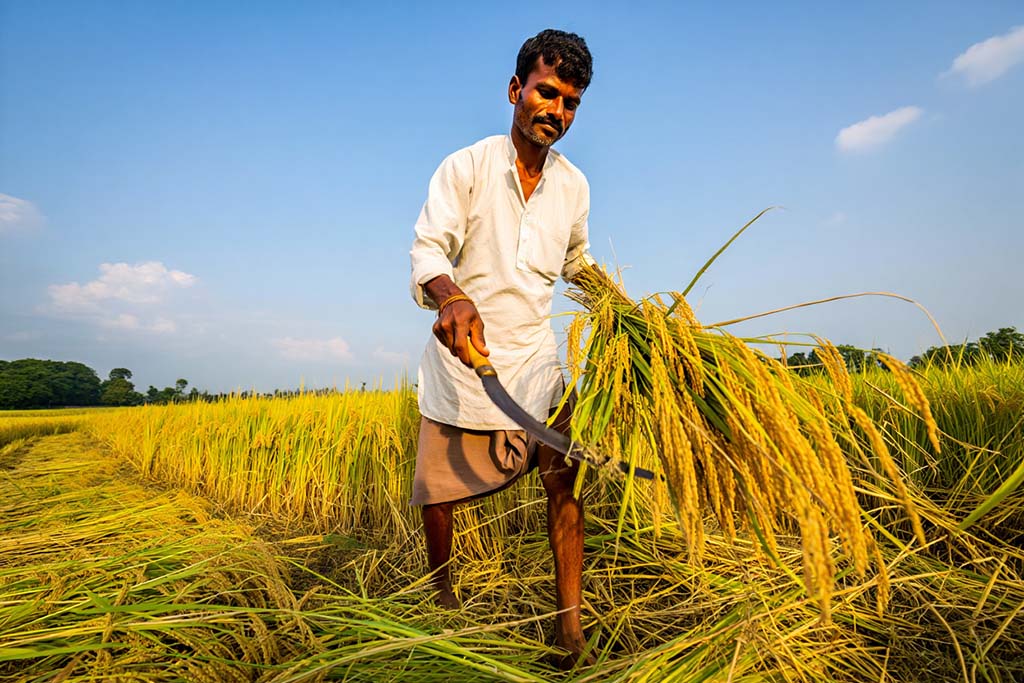
The Life of a Farmer Paragraph for Class 6/7 (150 words)
Farmers are very important people who grow food for our nation. A farmer’s life is very difficult and full of hard work from early morning till late evening. Farmers wake up before sunrise and start their work in the fields. They prepare the land, plant seeds, irrigate crops, remove weeds, and apply fertilizers. A farmer’s day is exhausting because they work under hot sun doing physical labor continuously. Farmers depend on nature and weather conditions for successful crops. Heavy rain or drought can destroy their crops and cause losses. Most farmers in Bangladesh are poor and struggle to earn enough money for their families. They face many challenges including high input costs, low market prices, and lack of modern farming equipment. Despite hard work and difficulties, farmers never give up. They work with dedication to feed the nation. Students should respect farmers and understand the value of their hard work. We should help farmers by buying agricultural products fairly and not wasting food. Good farmers are the backbone of society because they provide food security for everyone.
Key Vocabulary:
| English Word | Bangla Meaning |
|---|---|
| Difficult | কঠিন |
| Irrigate | সেচ দেওয়া |
| Weeds | আগাছা |
| Fertilizers | সার |
| Exhausting | পরিশ্রান্ত করা |
| Weather | আবহাওয়া |
| Losses | ক্ষতি |
| Input | নিবেশ |
| Equipment | সরঞ্জাম |
| Wasting | অপচয় |
| Backbone | মেরুদণ্ড, ভিত্তি |
The Life of a Farmer Paragraph for Class 7/8 (250 words)
Farmers are essential contributors to national development and food security through agricultural production of crops and livestock. A farmer’s life involves continuous physical labor, environmental challenges, and economic uncertainties affecting family welfare. Farmers typically wake before dawn and work throughout daylight hours preparing land, cultivating crops, irrigating fields, controlling pests, applying fertilizers, and harvesting produce. The work is physically demanding and exhausting, particularly during peak seasons requiring extended working hours under intense sun. Farmers face numerous challenges including unpredictable weather patterns affecting crop success, inadequate access to modern farming technology, low market prices reducing profits, high input costs for seeds and fertilizers, and limited credit facilities for investment. Many farmers lack proper education about improved agricultural practices and remain dependent on traditional methods. Environmental challenges like drought, flooding, and soil degradation threaten harvest security.
Most farmers in Bangladesh belong to low income groups struggling to provide education and healthcare for families. Children from farming families often work in fields instead of attending school. Subsistence farming leaves little profit margin for family growth or emergency expenses. However, farmers remain committed to agricultural work despite challenges. They serve as the backbone of the national economy through food production and export of agricultural commodities. Farmers deserve recognition and support from society and government. Government policies should provide subsidies for inputs, ensure fair market prices, and improve rural infrastructure. Communities should acknowledge farmers’ contributions through fair treatment and respect. Understanding farmers’ daily struggles helps society appreciate agricultural work. Students should learn from farmers’ dedication and perseverance. Supporting agriculture through consuming domestic products strengthens farmers’ livelihoods and national sustainability.
Key Vocabulary:
| English Word | Bangla Meaning |
|---|---|
| Essential | অপরিহার্য |
| Development | উন্নয়ন |
| Production | উৎপাদন |
| Food security | খাদ্য নিরাপত্তা |
| Environmental | পরিবেশগত |
| Challenges | চ্যালেঞ্জ |
| Uncertainties | অনিশ্চয়তা |
| Cultivating | চাষ করা |
| Irrigating | সেচ দেওয়া |
| Pests | কীটপতঙ্গ |
| Fertilizers | সার |
| Physically demanding | শারীরিকভাবে কঠোর |
| Exhausting | পরিশ্রান্ত করা |
| Weather patterns | আবহাওয়ার ধরন |
| Access | প্রবেশাধিকার |
| Modern farming | আধুনিক চাষাবাদ |
| Technology | প্রযুক্তি |
| Input costs | নিবেশ খরচ |
| Credit facilities | ঋণ সুবিধা |
| Investment | বিনিয়োগ |
| Education | শিক্ষা |
| Agricultural | কৃষি সংক্রান্ত |
| Practices | কাজকর্ম |
| Drought | খরা |
| Flooding | বন্যা |
| Soil degradation | মাটির অবনমন |
| Income | আয় |
| Subsistence farming | জীবিকা চাষাবাদ |
| Expenses | খরচ |
| Committed | প্রতিশ্রুতিবদ্ধ |
| Backbone | মেরুদণ্ড |
| Economy | অর্থনীতি |
| Export | রপ্তানি |
| Commodities | পণ্য |
| Recognition | স্বীকৃতি |
| Policies | নীতি |
| Subsidies | ভর্তুকি |
| Inputs | নিবেশ |
| Fair market | ন্যায্য বাজার |
| Infrastructure | অবকাঠামো |
| Acknowledge | স্বীকার করা |
| Contributions | অবদান |
| Daily | দৈনিক |
| Dedication | নিবেদন |
| Perseverance | অধ্যবসায় |
| Sustainability | স্থায়িত্ব |
The Life of a Farmer Paragraph for SSC Level (350 words)
Farmers constitute fundamental contributors to national economic development through agricultural production of crops and livestock supporting food security and export earnings. A farmer’s life encompasses continuous strenuous physical labor, environmental uncertainties, and socioeconomic challenges affecting family prosperity and community welfare. Daily activities include pre-dawn field preparation, seed cultivation, irrigation management, pest and weed control, fertilizer application, crop monitoring, harvest operations, and produce market transactions. Agricultural work is physically demanding requiring sustained labor under intense sunlight throughout cultivation seasons. Farmers face multifaceted challenges including erratic weather patterns creating drought and flooding threats, inadequate access to modern agricultural technology and knowledge, exploitative market conditions with unfair crop prices, high input costs for seeds and fertilizers reducing profit margins, limited credit facilities for agricultural investment, and land ownership insecurity. Environmental challenges like soil degradation, salinization, and groundwater depletion reduce agricultural productivity.
Most Bangladeshi farmers belong to low income categories practicing subsistence or marginal farming generating insufficient surplus for asset accumulation or family investment. Landlessness affects significant rural populations lacking agricultural land for independent farming. Rural educational infrastructure inadequacies prevent children from receiving proper education, perpetuating poverty cycles. Poor healthcare access leaves farm families vulnerable to illness and medical expenses. Gender inequality disproportionately affects female farmers facing discrimination in land access and economic opportunities. Agricultural laborers experience exploitative wage conditions and seasonal unemployment. However, farmers maintain dedication to agricultural work despite hardships, serving as the nation’s economic backbone through food production and employment generation for rural populations.
Government and society must recognize farmers’ crucial role and provide substantial support. Agricultural policies should ensure fair crop prices, subsidies for inputs, and credit accessibility. Rural infrastructure development including roads, markets, and irrigation systems improves farmer productivity. Technology transfer programs introduce modern farming practices. Education and skill development programs enhance farmer capabilities. Land reform policies ensure equitable land distribution. Healthcare and social security programs protect farm families. Community recognition and fair treatment validate farmer contributions. Students should appreciate farmers’ sacrifices, learn agricultural fundamentals, and consider sustainable farming careers. Supporting domestic agriculture through conscious consumption strengthens farmer livelihoods and food security, ensuring national sustainability and rural development.
Key Vocabulary:
| English Word | Bangla Meaning |
|---|---|
| Farmers | কৃষক |
| Fundamental | মৌলিক |
| Contributors | অবদানকারী |
| Economic development | অর্থনৈতিক উন্নয়ন |
| Agricultural production | কৃষি উৎপাদন |
| Food security | খাদ্য নিরাপত্তা |
| Export earnings | রপ্তানি আয় |
| Encompasses | অন্তর্ভুক্ত করে |
| Strenuous | কঠোর |
| Environmental | পরিবেশগত |
| Uncertainties | অনিশ্চয়তা |
| Socioeconomic | সামাজিক-অর্থনৈতিক |
| Prosperity | সমৃদ্ধি |
| Cultivation | চাষাবাদ |
| Irrigation | সেচ |
| Pest | কীটপতঙ্গ |
| Weed | আগাছা |
| Fertilizer | সার |
| Monitoring | পর্যবেক্ষণ |
| Harvest | ফসল কাটা |
| Produce | পণ্য |
| Transactions | লেনদেন |
| Physically demanding | শারীরিকভাবে কঠোর |
| Labor | শ্রম |
| Multifaceted | বহুমুখী |
| Weather patterns | আবহাওয়ার ধরন |
| Drought | খরা |
| Flooding | বন্যা |
| Threats | হুমকি |
| Modern agricultural | আধুনিক কৃষি |
| Technology | প্রযুক্তি |
| Knowledge | জ্ঞান |
| Market conditions | বাজার অবস্থা |
| Input costs | নিবেশ খরচ |
| Profit margins | লাভের মার্জিন |
| Credit facilities | ঋণ সুবিধা |
| Investment | বিনিয়োগ |
| Land ownership | জমির মালিকানা |
| Soil degradation | মাটির অবনমন |
| Salinization | লবণাক্ততা |
| Groundwater | ভূগর্ভস্থ জল |
| Depletion | হ্রাস |
| Productivity | উৎপাদনশীলতা |
| Income | আয় |
| Subsistence | জীবিকা |
| Marginal farming | সীমান্তিক চাষাবাদ |
| Surplus | অতিরিক্ত |
| Asset accumulation | সম্পদ সংগ্রহ |
| Landlessness | ভূমিহীনতা |
| Agricultural land | কৃষি জমি |
| Independent farming | স্বাধীন চাষাবাদ |
| Infrastructure | অবকাঠামো |
| Poverty | দারিদ্র্য |
| Healthcare access | স্বাস্থ্যসেবা প্রবেশাধিকার |
| Medical expenses | চিকিৎসা খরচ |
| Gender inequality | লিঙ্গ বৈষম্য |
| Discrimination | বৈষম্য |
| Land access | জমিতে প্রবেশাধিকার |
| Economic opportunities | অর্থনৈতিক সুযোগ |
| Laborers | শ্রমিক |
| Wage conditions | মজুরি অবস্থা |
| Unemployment | বেকারত্ব |
| Dedication | নিবেদন |
| Hardships | কষ্ট |
| Backbone | মেরুদণ্ড |
| Production | উৎপাদন |
| Employment generation | কর্মসংস্থান সৃষ্টি |
| Populations | জনগোষ্ঠী |
| Crucial | গুরুত্বপূর্ণ |
| Substantial support | উল্লেখযোগ্য সহায়তা |
| Agricultural policies | কৃষি নীতি |
| Fair prices | ন্যায্য মূল্য |
| Subsidies | ভর্তুকি |
| Accessibility | প্রাপ্যতা |
| Rural infrastructure | গ্রামীণ অবকাঠামো |
| Technology transfer | প্রযুক্তি হস্তান্তর |
| Modern farming | আধুনিক চাষাবাদ |
| Skill development | দক্ষতা উন্নয়ন |
| Land reform | জমি সংস্কার |
| Equitable distribution | ন্যায্য বিতরণ |
| Social security | সামাজিক নিরাপত্তা |
| Recognition | স্বীকৃতি |
| Fair treatment | ন্যায্য আচরণ |
| Sacrifices | ত্যাগ |
| Fundamentals | ভিত্তি |
| Careers | ক্যারিয়ার |
| Livelihoods | জীবিকা |
| Sustainability | স্থায়িত্ব |
The Life of a Farmer Paragraph for HSC Level (450 words)
Bangladeshi farmers represent fundamental economic actors contributing substantially to national economic development, food security, and export earnings through complex agricultural production systems. Farmers’ lived experience encompasses exhausting physical labor, environmental vulnerabilities, and multidimensional socioeconomic challenges profoundly affecting family prosperity and rural community livelihoods. Daily agricultural activities include pre-dawn field preparation, precision seed cultivation, sophisticated irrigation management, integrated pest management strategies, fertilizer optimization, continuous crop monitoring, careful harvest operations, and complex market transactions. Agricultural work demands sustained physical exertion under climatic extremes throughout extended cultivation seasons. Farmers confront multifaceted adversities including volatile weather patterns generating catastrophic drought and flooding threats, severely limited access to contemporary agricultural technology and scientific knowledge, exploitative market structures yielding unfair commodity pricing, oppressive input cost burdens reducing profit margins, restricted credit accessibility limiting agricultural investment capacity, and pervasive land tenure insecurity. Biophysical constraints including progressive soil degradation, salinization advancement, and aquifer depletion systematically reduce agricultural productivity and sustainability.
The majority of Bangladeshi farmers occupy precarious low-income strata engaged in subsistence-level or marginal agriculture generating insufficient surplus for meaningful asset accumulation or family advancement. Rural landlessness perpetuates poverty cycles affecting substantial populations lacking agricultural land. Rural infrastructure deficiencies restrict educational access, preventing children’s development and perpetuating intergenerational poverty. Healthcare inadequacies expose farm families to morbidity and catastrophic medical expenditures. Gender-based inequality systematically marginalizes female farmers through discriminatory land access restrictions and economic opportunity exclusion. Agricultural wage laborers experience exploitative compensation and seasonal underemployment. Demographic pressures and technological displacement compound farmer vulnerabilities. Nevertheless, farmers maintain steadfast commitment to agricultural stewardship despite hardships, functioning as the nation’s economic foundation through food production and employment provision.
Government, institutional, and societal interventions require urgent prioritization. Comprehensive agricultural policies must guarantee equitable crop remuneration, input subsidization, and credit democratization. Rural infrastructure modernization including transportation networks, market facilities, and irrigation systems enhances productivity substantially. Knowledge transfer programs disseminate contemporary agricultural methodologies. Educational and occupational initiatives strengthen farmer capabilities. Progressive land redistribution policies ensure equitable tenure. Comprehensive social security provisions protect vulnerable families. Community valorization and equitable treatment validate farmer contributions fundamentally. Students must cultivate profound appreciation for agricultural labor, master agronomic fundamentals, and seriously consider sustainable farming vocations. Supporting domestic agriculture through intentional consumption substantively strengthens farmer viability and food security, facilitating sustainable rural development and national prosperity for succeeding generations.
Key Vocabulary:
| English Word | Bangla Meaning |
|---|---|
| Farmers | কৃষক |
| Fundamental | মৌলিক |
| Economic actors | অর্থনৈতিক অভিনেতা |
| Economic development | অর্থনৈতিক উন্নয়ন |
| Food security | খাদ্য নিরাপত্তা |
| Export earnings | রপ্তানি আয় |
| Agricultural production | কৃষি উৎপাদন |
| Encompasses | অন্তর্ভুক্ত করে |
| Physical labor | শারীরিক শ্রম |
| Environmental | পরিবেশগত |
| Vulnerabilities | দুর্বলতা |
| Multidimensional | বহুমাত্রিক |
| Socioeconomic | সামাজিক-অর্থনৈতিক |
| Challenges | চ্যালেঞ্জ |
| Profoundly affecting | গভীরভাবে প্রভাবিত করে |
| Livelihoods | জীবিকা |
| Preparation | প্রস্তুতি |
| Cultivation | চাষাবাদ |
| Irrigation management | সেচ ব্যবস্থাপনা |
| Pest management | কীটপতঙ্গ ব্যবস্থাপনা |
| Fertilizer | সার |
| Optimization | অপ্টিমাইজেশন |
| Monitoring | পর্যবেক্ষণ |
| Harvest | ফসল কাটা |
| Market transactions | বাজার লেনদেন |
| Sustained | টিকে থাকা |
| Exertion | প্রচেষ্টা |
| Climatic extremes | জলবায়ু চরম |
| Seasons | ঋতু |
| Multifaceted | বহুমুখী |
| Adversities | বিপদ |
| Volatile | অস্থির |
| Weather patterns | আবহাওয়ার ধরন |
| Catastrophic | বিপর্যয়জনক |
| Drought | খরা |
| Flooding | বন্যা |
| Threats | হুমকি |
| Limited access | সীমিত প্রবেশাধিকার |
| Contemporary | সমসাময়িক |
| Technology | প্রযুক্তি |
| Scientific knowledge | বৈজ্ঞানিক জ্ঞান |
| Exploitative | শোষণমূলক |
| Market structures | বাজার কাঠামো |
| Commodity pricing | পণ্য মূল্য নির্ধারণ |
| Oppressive | দমনমূলক |
| Input costs | নিবেশ খরচ |
| Profit margins | লাভের মার্জিন |
| Credit accessibility | ঋণ প্রবেশাধিকার |
| Agricultural investment | কৃষি বিনিয়োগ |
| Capacity | ক্ষমতা |
| Land tenure | জমির মেয়াদ |
| Insecurity | অনিরাপত্তা |
| Biophysical constraints | জৈব-ভৌত সীমাবদ্ধতা |
| Soil degradation | মাটির অবনমন |
| Salinization | লবণাক্ততা |
| Advancement | অগ্রগতি |
| Aquifer | জলস্তর |
| Depletion | হ্রাস |
| Productivity | উৎপাদনশীলতা |
| Sustainability | স্থায়িত্ব |
| Precarious | অনিশ্চিত |
| Subsistence-level | জীবিকা-স্তর |
| Marginal agriculture | সীমান্তিক কৃষি |
| Surplus | অতিরিক্ত |
| Asset accumulation | সম্পদ সংগ্রহ |
| Advancement | উন্নতি |
| Rural landlessness | গ্রামীণ ভূমিহীনতা |
| Perpetuates | চালিয়ে যায় |
| Poverty | দারিদ্র্য |
| Cycles | চক্র |
| Infrastructure | অবকাঠামো |
| Deficiencies | ঘাটতি |
| Educational access | শিক্ষা প্রবেশাধিকার |
| Intergenerational | প্রজন্মান্তরীয় |
| Healthcare | স্বাস্থ্যসেবা |
| Inadequacies | অপর্যাপ্ততা |
| Morbidity | রোগাক্রান্ততা |
| Expenditures | ব্যয় |
| Gender-based inequality | লিঙ্গ-ভিত্তিক বৈষম্য |
| Marginalizes | প্রান্তিক করে |
| Discriminatory | বৈষম্যমূলক |
| Land access | জমিতে প্রবেশাধিকার |
| Economic opportunity | অর্থনৈতিক সুযোগ |
| Exclusion | বর্জন |
| Wage laborers | মজুরি শ্রমিক |
| Exploitation | শোষণ |
| Compensation | ক্ষতিপূরণ |
| Underemployment | কম কর্মসংস্থান |
| Demographic | জনসংখ্যাগত |
| Pressures | চাপ |
| Technological displacement | প্রযুক্তিগত স্থানচ্যুতি |
| Vulnerabilities | দুর্বলতা |
| Steadfast | অটুট |
| Commitment | প্রতিশ্রুতি |
| Stewardship | রক্ষণাবেক্ষণ |
| Hardships | কষ্ট |
| Foundation | ভিত্তি |
| Employment | কর্মসংস্থান |
| Provision | প্রদান |
| Institutional | প্রতিষ্ঠানিক |
| Urgent prioritization | জরুরি অগ্রাধিকার |
| Comprehensive | ব্যাপক |
| Agricultural policies | কৃষি নীতি |
| Equitable | ন্যায্য |
| Remuneration | প্রতিদান |
| Input subsidization | নিবেশ ভর্তুকি |
| Credit democratization | ঋণ গণতন্ত্রীকরণ |
| Modernization | আধুনিকীকরণ |
| Transportation | পরিবহন |
| Market facilities | বাজার সুবিধা |
| Systems | ব্যবস্থা |
| Substantially | উল্লেখযোগ্যভাবে |
| Knowledge transfer | জ্ঞান হস্তান্তর |
| Disseminate | ছড়িয়ে দেওয়া |
| Methodologies | পদ্ধতি |
| Occupational | পেশাদার |
| Initiatives | উদ্যোগ |
| Capabilities | ক্ষমতা |
| Progressive | প্রগতিশীল |
| Redistribution | পুনর্বিতরণ |
| Tenure | মেয়াদ |
| Social security | সামাজিক নিরাপত্তা |
| Provisions | বিধান |
| Valorization | মূল্যায়ন |
| Treatment | আচরণ |
| Contributions | অবদান |
| Appreciation | প্রশংসা |
| Labor | শ্রম |
| Agronomic fundamentals | কৃষিগত মৌলিক বিষয় |
| Vocations | পেশা |
| Intentional | উদ্দেশ্যমূলক |
| Consumption | ব্যবহার |
| Substantively | সারগর্ভভাবে |
| Strengthens | শক্তিশালী করে |
| Viability | কার্যকারিতা |
| Facilitating | সুবিধা প্রদান করে |
| Rural development | গ্রামীণ উন্নয়ন |
| Prosperity | সমৃদ্ধি |
| Succeeding | পরবর্তী |
| Generations | প্রজন্ম |
Exam-Style FAQs on The Life of a Farmer
Q1: Why are farmers considered essential to national economic development?
Answer: Farmers contribute fundamentally to national economic development through agricultural production of crops and livestock providing food security and export earnings. Agricultural production feeds the nation and generates foreign currency through exports, making farmers the nation’s economic backbone.
Key Vocabulary: Farmers (কৃষক), Essential (অপরিহার্য), Economic development (অর্থনৈতিক উন্নয়ন), Production (উৎপাদন), Food security (খাদ্য নিরাপত্তা), Export (রপ্তানি)
Q2: What daily challenges do Bangladeshi farmers face in their agricultural work?
Answer: Bangladeshi farmers face volatile weather patterns causing drought and flooding, inadequate access to modern agricultural technology, low market prices, high input costs, limited credit facilities, and environmental challenges like soil degradation and water depletion reducing productivity.
Key Vocabulary: Farmers (কৃষক), Challenges (চ্যালেঞ্জ), Weather (আবহাওয়া), Drought (খরা), Flooding (বন্যা), Technology (প্রযুক্তি), Input costs (নিবেশ খরচ), Credit (ঋণ), Environmental (পরিবেশগত), Degradation (অবনমন)
Q3: How does poverty affect farmers’ families in Bangladesh?
Answer: Most Bangladeshi farmers belong to low-income groups practicing subsistence farming generating insufficient profit. Poverty prevents children from attending school, restricts healthcare access, creates medical expenses, and forces families into landlessness and unemployment, perpetuating intergenerational poverty cycles in rural communities.
Key Vocabulary: Poverty (দারিদ্র্য), Farmers (কৃষক), Income (আয়), Subsistence farming (জীবিকা চাষাবাদ), Profit (লাভ), Healthcare (স্বাস্থ্যসেবা), Expenses (খরচ), Landlessness (ভূমিহীনতা), Unemployment (বেকারত্ব), Perpetuating (চালিয়ে যাওয়া)
Q4: What role does environmental degradation play in reducing farmer productivity?
Answer: Environmental degradation including soil degradation, salinization, and groundwater depletion systematically reduces agricultural productivity and sustainability. Biophysical constraints limit crop yields and threaten food security, forcing farmers into economic hardship and livelihood loss.
Key Vocabulary: Environmental degradation (পরিবেশগত অবনমন), Soil (মাটি), Salinization (লবণাক্ততা), Groundwater (ভূগর্ভস্থ জল), Depletion (হ্রাস), Productivity (উৎপাদনশীলতা), Food security (খাদ্য নিরাপত্তা), Livelihood (জীবিকা)
Q5: How do market conditions and low prices negatively affect farmers’ livelihoods?
Answer: Exploitative market structures with unfair commodity pricing and oppressive input costs reduce farmer profit margins substantially. Low market prices despite high input costs leave farmers with insufficient remuneration, creating economic hardship, debt, and poverty, threatening rural livelihoods and family sustainability.
Key Vocabulary: Market conditions (বাজার অবস্থা), Prices (মূল্য), Livelihoods (জীবিকা), Profit (লাভ), Input costs (নিবেশ খরচ), Remuneration (প্রতিদান), Debt (ঋণ), Poverty (দারিদ্র্য)
Q6: What gender-based inequality do female farmers face in Bangladesh?
Answer: Female farmers face systematic gender-based inequality through discriminatory land access restrictions and exclusion from economic opportunities. Gender discrimination limits female farmers’ ownership, credit accessibility, and income generation, perpetuating their **